Viruses: Friend or Foe? 🦠 For centuries, we’ve viewed these microscopic entities as harbingers of disease and destruction. But what if there’s more to the story? What if these tiny invaders are not just threats, but also silent architects of our world?
From the depths of the ocean to the air we breathe, viruses are everywhere. They’ve been shaping life on Earth for billions of years, yet we’re only beginning to scratch the surface of their true impact. Did you know that viruses play a crucial role in ecosystem balance? Or that they’re being harnessed to combat bacterial infections and even save endangered species?
In this eye-opening exploration, we’ll dive into 5 Surprising Ways Viruses Shape Our World. From driving evolution to revolutionizing medicine and agriculture, prepare to have your perspective on these tiny powerhouses transformed. Get ready to discover how viruses influence not just our health, but our behavior, culture, and the very fabric of life itself. 🌍🧬🌱
Viruses as Evolutionary Drivers
A. Shaping human genome over millennia
Viruses have played a remarkable role in shaping the human genome over millions of years, influencing our evolutionary trajectory in profound ways. Recent research has shed light on the extent of this impact, revealing that approximately 30% of all protein adaptations since the divergence of humans and chimpanzees have been influenced by viral interactions.
This significant finding underscores the immense evolutionary pressure exerted by viruses on our genetic makeup. The ongoing battle between viruses and their hosts has led to numerous adaptations in our cellular machinery, resulting in genetic changes that have persisted through generations.
One of the key mechanisms through which viruses have shaped our genome is through the integration of viral genetic material into host DNA. These endogenous viral elements (EVEs) serve as molecular fossils, providing valuable insights into the evolutionary history of both viruses and their hosts. Over time, some of these viral insertions have been co-opted by the host for various cellular functions, contributing to the diversity and complexity of our genetic code.
Viral-Host Protein Interactions
A groundbreaking study published in eLife identified around 1,300 proteins that interact with viruses. These proteins have demonstrated adaptations occurring at a rate three times higher than non-interacting proteins. This finding suggests that the evolutionary pressure exerted by viruses extends far beyond specialized immune proteins, affecting virtually all types of proteins involved in cellular functions.
| Protein Type | Adaptation Rate |
|---|---|
| Virus-interacting proteins | 3x higher |
| Non-interacting proteins | Baseline |
This wide-ranging impact on cellular mechanisms helps explain the differences observed in cellular machinery among closely-related species. The ongoing evolutionary arms race between viruses and their hosts has driven the diversification of various cellular processes, contributing to the unique genetic makeup of different species.
B. Influencing genetic diversity
Viruses have been instrumental in promoting genetic diversity within human populations. The constant pressure exerted by viral pathogens has led to the selection of genetic variants that confer resistance or improved immune responses to specific viral threats.
Mechanisms of Viral-Induced Genetic Diversity
- Natural Selection: Viral infections act as a strong selective pressure, favoring genetic variants that provide enhanced resistance or immune responses.
- Genetic Drift: In some cases, viral epidemics can lead to population bottlenecks, resulting in increased genetic drift and the fixation of certain alleles.
- Horizontal Gene Transfer: Although rare in humans, the integration of viral genetic material can introduce new genetic elements, potentially leading to novel functions or regulatory mechanisms.
The impact of viruses on genetic diversity is not limited to humans but extends across various species. This viral-driven diversity has played a crucial role in the adaptation and survival of numerous organisms throughout evolutionary history.
C. Accelerating species adaptation
Viruses have been significant drivers of species adaptation, including humans, by exerting continuous evolutionary pressure. The rapid generation times and high mutation rates of viruses, especially RNA viruses, allow them to quickly adapt to changes in their environment. This, in turn, forces host species to evolve rapidly to keep pace with the ever-changing viral landscape.
Key Aspects of Virus-Driven Adaptation
- Rapid Evolution: The swift viral adaptation necessitates equally rapid host adaptation, accelerating the overall pace of evolution.
- Broad Impact: Viral interactions affect a wide range of cellular proteins, driving adaptations across various biological systems.
- Co-evolutionary Arms Race: The ongoing battle between viruses and hosts leads to continuous adaptations on both sides.
Viral Adaptation Mechanisms
Viruses employ several mechanisms to adapt quickly:
- Genetic Shift: Major genetic changes, often through reassortment of viral segments in segmented viruses like influenza.
- Antigenic Drift: Gradual accumulation of mutations in surface proteins, allowing viruses to evade host immune responses.
- High Mutation Rates: Especially prevalent in RNA viruses, facilitating rapid adaptation to new environments or hosts.
These viral adaptation mechanisms have, in turn, driven the evolution of complex host immune systems and cellular defenses. The constant pressure from rapidly evolving viruses has led to the development of sophisticated immune responses and cellular mechanisms to detect and combat viral infections.
Implications for Human Evolution
The accelerated adaptation driven by viral interactions has had far-reaching consequences for human evolution:
- Immune System Diversity: The constant battle with viruses has contributed to the high diversity observed in immune-related genes, such as those in the Major Histocompatibility Complex (MHC).
- Cellular Machinery Adaptations: Viral pressures have led to adaptations in various cellular processes, including protein synthesis, membrane trafficking, and cell signaling pathways.
- Population-Specific Adaptations: Different human populations have evolved unique genetic variants in response to local viral threats, contributing to genetic diversity among populations.
Future Implications and Research Directions
Understanding the role of viruses in shaping our genome and driving adaptation opens up new avenues for research and potential therapeutic strategies:
- Evolutionary Medicine: Insights from past viral epidemics and host adaptations can inform current strategies for combating viral diseases.
- Therapeutic Targets: Identification of proteins historically adapted to combat viruses without negatively impacting the host organism could lead to new antiviral therapies.
- Predictive Models: Understanding the patterns of virus-driven adaptation could help predict future evolutionary trajectories and potential emerging viral threats.
As we continue to unravel the complex interplay between viruses and their hosts, we gain a deeper appreciation for the profound impact these microscopic entities have had on shaping our world. The study of viral evolution and its influence on host adaptation remains a critical area of research, with implications ranging from evolutionary biology to medical science.
With this understanding of how viruses have shaped our genome and driven species adaptation, we can now turn our attention to another fascinating aspect of viral influence. In the next section, “Viruses in Ecosystem Balance,” we’ll explore how these ubiquitous entities play crucial roles in maintaining the delicate balance of various ecosystems, further demonstrating the surprising ways in which viruses shape our world.
Viruses in Ecosystem Balance

Now that we have explored how viruses act as evolutionary drivers, let’s delve into their crucial role in maintaining ecosystem balance. Viruses, often viewed solely as pathogens, actually play a vital part in regulating various aspects of our environment.
A. Regulating bacterial populations
Viruses, particularly bacteriophages (or phages), are instrumental in controlling bacterial populations in diverse ecosystems. This regulation is especially prominent in oceanic environments, where microbial life constitutes a staggering 90% of the biomass. The relationship between viruses and bacteria in these settings is both intricate and essential for maintaining ecological equilibrium.
Phages contribute significantly to the daily turnover of microbial biomass in marine ecosystems. Research has shown that viruses facilitate the turnover of approximately 20% of microbial biomass each day. This process is crucial for several reasons:
- Nutrient cycling: By lysing bacterial cells, viruses release organic matter back into the environment, making it available for other organisms.
- Population control: Viral infection helps prevent any single bacterial species from dominating the ecosystem.
- Biodiversity maintenance: The constant pressure from viruses drives bacterial evolution and adaptation, contributing to microbial diversity.
The diversity of bacteria leads to an even greater diversity among their viral counterparts. Phages have evolved to occupy nearly every ecological niche on Earth, mirroring and often exceeding the ubiquity of their bacterial hosts.
| Aspect | Impact of Viruses on Bacterial Populations |
|---|---|
| Biomass turnover | ~20% daily in marine ecosystems |
| Ecological niches | Present in virtually all environments |
| Diversity | Exceeds that of their bacterial hosts |
| Role in food web | Essential for maintaining food sources for various organisms |
B. Controlling algal blooms
While the reference content doesn’t explicitly mention algal bloom control, we can infer from the information provided about viral ecology in aquatic environments that viruses likely play a role in regulating algal populations as well. The concept of ‘virioplankton’ – aquatic viruses that infect plankton – suggests that viruses impact not only bacterial communities but also other microorganisms in marine ecosystems.
Algal blooms, when left unchecked, can have detrimental effects on aquatic ecosystems. Viruses that infect algae may help in:
- Preventing excessive algal growth
- Maintaining balance in phytoplankton communities
- Indirectly influencing nutrient cycles in aquatic environments
C. Impacting food chains
The role of viruses in ecosystem balance extends beyond microbial communities, significantly impacting entire food chains. By regulating bacterial and algal populations, viruses indirectly influence the availability of food sources for various organisms higher up in the food chain.
Key points on viral impact on food chains include:
- Nutrient release: Viral lysis of microbial cells releases organic matter, providing nutrients for other organisms.
- Trophic cascades: Changes in microbial populations due to viral activity can have ripple effects throughout the food web.
- Energy transfer: Viruses facilitate the transfer of energy and nutrients between different trophic levels.
The concept of the ‘viral shunt’ in marine ecosystems illustrates how viruses redirect the flow of organic matter from higher trophic levels back to the microbial loop, influencing the entire food chain structure.
D. Maintaining biodiversity
Viruses play a crucial role in maintaining biodiversity across various ecosystems. Their impact on biodiversity is multifaceted and occurs through several mechanisms:
- Negative frequency-dependent selection: Viruses act as agents of negative frequency-dependent selection, targeting the most abundant microbial species. This prevents any single species from dominating and allows for the coexistence of multiple species.
- Driving genetic diversity: The constant pressure from viral infection drives the evolution of host defense mechanisms, leading to increased genetic diversity within populations.
- Niche creation: By lysing certain microbial populations, viruses create opportunities for other species to occupy newly available ecological niches.
- Horizontal gene transfer: Viruses can facilitate the transfer of genetic material between different species, contributing to genetic diversity and adaptation.
The importance of viruses in maintaining biodiversity is particularly evident in soil ecosystems. Recent research has highlighted the increasing abundance and diversity of soil viruses and their significant contributions to soil health. These viruses interact with various host organisms, including bacteria, fungi, and plants, playing a crucial role in shaping soil microbial communities.
Climate change is expected to have profound effects on viral communities and their ecological relationships. Factors such as prolonged droughts, flooding, and altered precipitation patterns can affect the composition and activity of soil viral communities. Understanding these dynamics is crucial for predicting and mitigating the impacts of climate change on ecosystem balance.
| Ecosystem | Role of Viruses in Biodiversity Maintenance |
|---|---|
| Marine | Regulate microbial populations, facilitate nutrient cycling |
| Soil | Shape microbial communities, contribute to soil health |
| Freshwater | Control algal blooms, influence plankton dynamics |
| Terrestrial | Affect plant-microbe interactions, impact soil fertility |
The recognition of viruses as significant ecological agents marks a shift towards a ‘Virocentric‘ perspective in ecology. This new understanding challenges traditional views of biological agency and individuality, suggesting that a broader conception of life may emerge from studying virus ecology.
Integrating viral studies into broader microbiome research is essential for fully appreciating their biogeochemical roles and contributions to ecosystem functioning. This integration is crucial for:
- Developing more accurate ecological models
- Understanding nutrient cycles on a global scale
- Predicting ecosystem responses to environmental changes
- Informing conservation and management strategies
As we’ve seen, viruses are far more than mere pathogens; they are integral components of ecosystem balance, shaping biodiversity and influencing ecological processes at multiple levels. With this understanding of the ecological importance of viruses, we can now turn our attention to their contributions in the medical field. In the next section, we’ll explore how these microscopic entities have led to significant advancements in healthcare and biotechnology.
Viral Contributions to Medical Advancements

Having explored the role of viruses in maintaining ecosystem balance, we now turn our attention to the surprising ways these microscopic entities contribute to medical advancements. While often associated with diseases, viruses have become invaluable tools in various therapeutic applications, revolutionizing our approach to treating complex medical conditions.
Gene therapy vectors
Viruses have emerged as powerful vectors for gene therapy, offering new hope for patients with genetic disorders. The ability of viruses to deliver genetic material to target cells has been harnessed by researchers to develop innovative treatments.
One notable example is the use of adeno-associated viruses (AAV) in gene therapy protocols. These viruses have been engineered to carry therapeutic genes, allowing for the correction of genetic defects. A groundbreaking application of this technology is Luxturna, an FDA-approved treatment that restores vision in patients with certain genetic disorders.
The development of viral vectors for gene therapy represents a significant milestone in medical science, opening up new possibilities for treating previously incurable conditions. Here’s a brief overview of the advantages and challenges of using viral vectors in gene therapy:
| Advantages | Challenges |
|---|---|
| Efficient gene delivery | Potential immune response |
| Targeted cell specificity | Limited payload capacity |
| Long-term gene expression | Manufacturing complexity |
| Ability to reach diverse tissues | Safety concerns |
As research in this field progresses, we can expect to see more gene therapies utilizing viral vectors, potentially offering treatments for a wide range of genetic disorders.
Cancer-fighting oncolytic viruses
The potential of viruses to combat cancer has been a subject of interest since the mid-20th century. Researchers observed that certain viral infections could induce tumor regression, leading to the development of oncolytic virotherapies.
Oncolytic viruses are genetically modified to selectively target and destroy cancer cells while leaving healthy cells unharmed. This approach has shown promising results in clinical trials and has led to the approval of several treatments:
- H101: Approved in China in 2005, this oncolytic adenovirus was the first of its kind to receive regulatory approval for cancer treatment.
- T-VEC (Talimogene laherparepvec): Approved in the West in 2015, this modified herpes simplex virus has shown efficacy in treating advanced melanoma.
Recent research has expanded the application of oncolytic viruses to other types of cancer. For instance, studies on oncolytic coxsackievirus for bladder cancer treatment demonstrate the ongoing exploration of virus-based therapies in oncology.
The use of oncolytic viruses represents a paradigm shift in cancer treatment, offering a more targeted approach with potentially fewer side effects compared to traditional chemotherapy and radiation.
Antibiotic alternatives
As antibiotic resistance continues to pose a significant threat to global health, researchers are turning to viruses, specifically bacteriophages, as potential alternatives.
Bacteriophages, or phages, are viruses that selectively infect and destroy bacteria. This specificity makes them valuable tools in combating bacterial infections without harming beneficial microbes or human cells. The application of phages in medicine, known as phage therapy, offers several advantages:
- Targeted bacterial elimination
- Reduced risk of antibiotic resistance
- Minimal impact on the body’s natural microbiome
- Potential for treating antibiotic-resistant infections
While phage therapy is not new – its origins can be traced back to the early 20th century – recent advancements in biotechnology have revitalized interest in this approach. Researchers are now exploring ways to engineer phages for enhanced efficacy and broader application in treating bacterial infections.
Vaccine development platforms
The role of viruses in vaccine development has been pivotal since Edward Jenner’s groundbreaking work with cowpox in the late 1700s. Today, viruses continue to play a crucial role in vaccine production, with several approaches leveraging viral properties:
- Live attenuated vaccines: Developed by Louis Pasteur in the 1880s, these vaccines use weakened forms of the virus to stimulate immune responses.
- Inactivated vaccines: These contain virus particles that have been rendered non-infectious but still trigger an immune response.
- Subunit vaccines: Utilizing specific viral components, these vaccines have been successful against diseases like hepatitis B and human papillomavirus.
- Viral vector vaccines: Employing genetically modified viruses to deliver antigens, this approach has gained prominence, especially in the development of COVID-19 vaccines.
The rapid adaptation of viruses, as seen in the COVID-19 pandemic, has highlighted their importance in vaccine development. Researchers have leveraged viral properties to create innovative vaccine platforms that can be quickly modified to address new variants or emerging pathogens.
Here’s a comparison of different viral-based vaccine approaches:
| Vaccine Type | Advantages | Limitations |
|---|---|---|
| Live attenuated | Strong immune response | Risk of reversion to virulence |
| Inactivated | Safe for immunocompromised | May require multiple doses |
| Subunit | Highly specific immune response | May have lower efficacy |
| Viral vector | Rapid development and modification | Potential pre-existing immunity to vector |
The continuous evolution of viral-based vaccine technologies promises to enhance our ability to respond to future infectious disease threats rapidly and effectively.
As we’ve seen, viruses have become indispensable tools in medical research and therapeutic development. From gene therapy vectors to cancer-fighting oncolytic viruses, antibiotic alternatives, and innovative vaccine platforms, these microscopic entities are reshaping our approach to treating and preventing diseases.
With this understanding of viral contributions to medical advancements, we can now turn our attention to the next section, where we’ll explore the role of viruses in agriculture and biotechnology. The application of viral technologies extends beyond medicine, offering innovative solutions for crop improvement and bioengineering. As we’ll discover, the potential of viruses to shape our world reaches far beyond their traditional perception as mere pathogens.
Viruses in Agriculture and Biotechnology
Now that we’ve explored the remarkable contributions of viruses to medical advancements, let’s shift our focus to another crucial area where these microscopic entities play a significant role: agriculture and biotechnology. The impact of viruses in this field is both challenging and promising, offering innovative solutions to age-old problems.
A. Enhancing crop resistance
Viruses have long been a major concern in agriculture, causing substantial losses in crop yield and quality worldwide. However, recent advancements in our understanding of viral genomes and plant-virus interactions have paved the way for developing virus-resistant crops.
One of the most promising approaches in enhancing crop resistance is through genetic resistance. This can be achieved through two primary methods:
- Traditional breeding: Utilizing dominant and recessive genes that confer resistance to specific viruses.
- Biotechnological interventions: Employing innovative RNA-based technologies, including:
- RNA interference (RNAi)
- CRISPR/Cas9 gene editing
These cutting-edge techniques offer exciting possibilities for creating virus-resistant crop varieties. Let’s take a closer look at how these methods work:
RNA interference (RNAi)
RNAi is a natural defense mechanism in plants that can be harnessed to target and silence specific viral genes. By introducing small interfering RNAs (siRNAs) that match the sequence of the viral genome, we can trigger the plant’s innate defense system to degrade the viral RNA, effectively preventing infection.
CRISPR/Cas9 gene editing
This revolutionary technology allows for precise modifications in plant genomes. By targeting and modifying genes involved in virus susceptibility or by introducing genes that confer resistance, CRISPR/Cas9 can create crops with enhanced immunity to specific viral diseases.
The development of virus-resistant crops is crucial, especially considering the devastating impact of viral diseases on agriculture. Here’s a table showcasing some economically important virus diseases and their associated yield losses:
| Virus Disease | Affected Crop | Geographic Distribution | Potential Yield Loss |
|---|---|---|---|
| Banana bunchy top | Banana | Global tropics | Up to 100% |
| Cassava mosaic | Cassava | Africa | $1.9-2.7 billion annually |
| Citrus tristeza | Citrus | Global | Significant economic impact |
| Grapevine leafroll | Grapevine | Global | Substantial yield reduction |
| Tomato yellow leaf curl | Tomato | Global | Significant crop losses |
By developing resistant varieties for these and other viral diseases, we can significantly reduce crop losses and improve food security worldwide.
B. Biological pest control
While viruses are often seen as threats to agriculture, they can also be valuable allies in pest management. Viral-based biological control offers an environmentally friendly alternative to chemical pesticides, reducing the risk of environmental contamination and the development of pesticide-resistant insect populations.
One of the most promising applications of viruses in pest control is through the use of baculoviruses. These naturally occurring viruses specifically target certain insect species, making them ideal candidates for pest management in agriculture. Here are some key advantages of using baculoviruses for biological pest control:
- Host specificity: Baculoviruses only infect targeted insect pests, leaving beneficial insects and other organisms unharmed.
- Environmental safety: Unlike chemical pesticides, baculoviruses do not persist in the environment and pose no risk to humans or wildlife.
- Sustainable control: As viruses can replicate within their host insects, they provide long-term pest suppression.
- Compatibility: Baculoviruses can be integrated with other pest management strategies, including the use of natural predators and parasitoids.
The application of viral-based pest control is not limited to crop protection. It can also be used in forestry and ornamental plant management, offering a versatile solution for various agricultural and horticultural needs.
C. Improving food preservation
Viruses are also making significant contributions to food preservation techniques, helping to extend the shelf life of agricultural products and reduce food waste. One of the most innovative applications in this area is the use of bacteriophages – viruses that specifically infect and kill bacteria.
Bacteriophages, or phages for short, can be used as natural antimicrobial agents to control foodborne pathogens. This approach, known as phage therapy, offers several advantages over traditional preservation methods:
- Specificity: Phages target specific bacterial species, leaving beneficial bacteria unaffected.
- Safety: As phages only infect bacteria, they are safe for human consumption.
- Effectiveness: Phages can penetrate biofilms, making them effective against hard-to-reach bacteria.
- Adaptability: Phages can evolve alongside bacteria, potentially overcoming bacterial resistance.
Here’s a list of potential applications of phage therapy in food preservation:
- Controlling Listeria monocytogenes in ready-to-eat foods
- Reducing Salmonella contamination in poultry products
- Preventing E. coli contamination in fresh produce
- Extending the shelf life of dairy products by targeting spoilage bacteria
In addition to phage therapy, viral vectors are being explored for their potential in improving food preservation techniques. These vectors, derived from plant viruses, can be engineered to express genes that enhance the nutritional value or shelf life of fruits and vegetables.
For instance, researchers are investigating the use of viral vectors to:
- Increase the production of antioxidants in fruits
- Delay ripening in climacteric fruits like bananas and tomatoes
- Enhance the nutritional content of staple crops
As we continue to explore the potential of viruses in agriculture and biotechnology, it’s clear that these microscopic entities have much more to offer than we previously thought. From enhancing crop resistance to revolutionizing pest control and food preservation, viruses are proving to be valuable tools in our quest for sustainable and efficient agricultural practices.
With this newfound appreciation for the role of viruses in agriculture and biotechnology, we can now turn our attention to an equally fascinating aspect of viral influence: how these tiny organisms shape human behavior and culture. As we’ll see in the next section, the impact of viruses extends far beyond the realm of biology, influencing our societies and behaviors in ways we’re only beginning to understand.
Viruses Shaping Human Behavior and Culture
Now that we’ve explored the fascinating world of viruses in agriculture and biotechnology, let’s turn our attention to how these microscopic entities shape our very society and culture. The impact of viruses extends far beyond the realms of science and medicine, influencing the way we live, work, and interact with one another.
A. Influencing social norms and practices
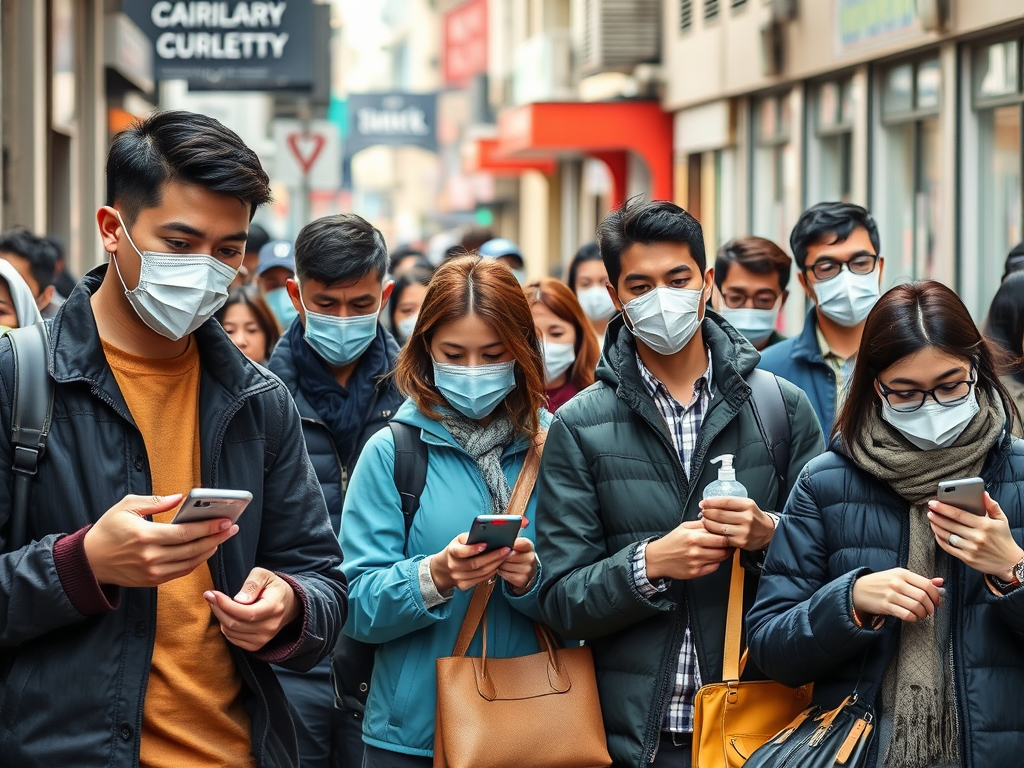
Viral outbreaks have historically played a significant role in shaping social norms and practices. The COVID-19 pandemic serves as a stark example of how a virus can rapidly transform our daily lives. This global health crisis has led to:
- Changes in personal hygiene habits (e.g., increased hand washing)
- Adoption of new social etiquettes (e.g., elbow bumps instead of handshakes)
- Shift in communication patterns (e.g., rise of virtual meetings)
- Alterations in public behavior (e.g., wearing masks in public spaces)
These changes highlight how viruses can catalyze shifts in societal norms, often at an unprecedented pace. The psychological and physical toll on individuals and communities during such outbreaks can lead to long-lasting changes in social interactions and public health practices.
B. Driving technological innovations
Viral challenges have consistently spurred technological advancements. The COVID-19 pandemic, in particular, has accelerated innovations across various sectors:
- Telemedicine and remote health monitoring
- Contactless payment systems
- Virtual collaboration tools
- AI-powered disease surveillance
These innovations are not just responses to immediate needs but often become integrated into our daily lives, reshaping how we approach work, healthcare, and social interactions. The rapid development of mRNA vaccines during the pandemic is a prime example of how viral threats can fast-track scientific breakthroughs.
C. Impacting global economics
The economic impact of viral outbreaks can be profound and far-reaching. Historical examples and recent events demonstrate the significant economic disruptions caused by epidemics:
| Epidemic | Economic Impact |
|---|---|
| SARS (2003) | $40-50 billion global economic loss |
| H1N1 (2009) | 0.5-1.5% GDP loss in affected countries |
| COVID-19 (2020-ongoing) | Estimated trillions in global economic cost |
These economic impacts manifest in various ways:
- Disruption of global supply chains
- Shifts in consumer behavior and spending patterns
- Changes in labor markets and employment practices
- Reallocation of resources towards healthcare and pandemic response
The interconnectedness of the global economy means that even localized outbreaks can have far-reaching consequences, influencing trade policies, investment strategies, and economic priorities on a global scale.
D. Reshaping healthcare systems
Viral epidemics have consistently challenged and reshaped healthcare systems worldwide. The HIV/AIDS crisis of the 1980s and 1990s, for instance, catalyzed significant changes in public health responses and healthcare delivery. More recently, the COVID-19 pandemic has exposed vulnerabilities in healthcare systems globally, leading to:
- Increased investment in public health infrastructure
- Enhanced disease surveillance and early warning systems
- Improved protocols for infectious disease management
- Greater emphasis on healthcare worker safety and support
These changes are not merely reactive but often lead to long-term transformations in how healthcare is delivered and managed. The resurgence of interest in phage therapy amidst rising antibiotic resistance is another example of how viral challenges drive innovation in healthcare approaches.
E. Altering education and work environments
The impact of viruses on education and work environments has been particularly pronounced, especially in light of recent global events:
- Shift to remote learning and working
- Adoption of hybrid education and work models
- Increased focus on digital literacy and online collaboration skills
- Redesign of physical spaces to accommodate health and safety measures
These changes have far-reaching implications for:
- Educational equity and access
- Work-life balance
- Organizational culture and management practices
- Urban planning and architecture
The long-term effects of these shifts are still unfolding, but it’s clear that viruses have accelerated trends towards digitalization and flexibility in both education and work.
The influence of viruses on human behavior and culture extends into the realm of creative expression as well. Epidemics have inspired numerous works of art and literature, serving as a lens through which society reflects on its vulnerabilities and resilience. From Albert Camus’ “The Plague” to more recent pandemic-inspired works, viral outbreaks continue to shape our cultural narrative and collective consciousness.
Moreover, the study of viruses has raised important ethical questions, particularly in areas such as bioengineering and the development of biological weapons. These ethical considerations influence policy decisions, scientific research priorities, and public discourse on the boundaries of scientific exploration.
As we navigate an increasingly interconnected world, the impact of viruses on human behavior and culture is likely to grow more complex. The challenges posed by viral threats underscore the need for continued vigilance, innovation, and global cooperation in public health strategies. At the same time, they highlight the remarkable adaptability of human societies in the face of biological challenges.
The relationship between viruses and human culture is bidirectional; while viruses shape our behaviors and institutions, our cultural practices also influence the spread and impact of viral diseases. Understanding this dynamic interplay is crucial for developing effective public health policies and fostering community resilience in the face of future epidemics.
Conclusion
In conclusion, viruses are not just biological entities but powerful forces shaping the very fabric of our societies. From influencing our daily habits to driving global economic trends, from spurring technological innovations to reshaping our healthcare systems, the impact of viruses on human behavior and culture is profound and multifaceted. As we continue to coexist with these microscopic entities, our ability to adapt, innovate, and collaborate will be key to navigating the challenges and opportunities they present.

Viruses, often perceived solely as agents of disease, play a far more complex and influential role in shaping our world. From driving evolution to maintaining ecosystem balance, these microscopic entities have surprising impacts on our lives. Their contributions to medical advancements, particularly through innovative therapies like bacteriophages, showcase their potential as allies in fighting infections. In agriculture and biotechnology, viruses offer promising solutions, such as efforts to save the American Chestnut tree from blight.
As we continue to unravel the intricate relationships between viruses and their hosts, it’s clear that our understanding of these entities is evolving. The COVID-19 pandemic has demonstrated the power of global scientific collaboration in studying and combating viral threats. Moving forward, embracing a more nuanced view of viruses – recognizing both their challenges and benefits – will be crucial in advancing our knowledge and harnessing their potential for positive change in various fields, from medicine to ecology.
For more information related to Vaccine, Vaccine Development & Biopharma related articles kindly follow & subscribe the – https://biopharmaverse.com/blog/