The tech revolution isn’t coming tomorrow—it’s happening right now. From AI chatbots changing how we search for information to self-driving cars already cruising city streets, amazing future tech trends are quietly transforming our daily routines.
This guide breaks down the most impactful emerging tech 2024 developments for tech enthusiasts, business professionals, and anyone curious about how digital transformation daily life will unfold. You’ll discover which innovations deserve your attention and which ones are just hype.
We’ll explore how AI machine learning applications are making our devices smarter and more conversational. You’ll learn about the connected world of smart devices IoT that’s turning ordinary homes into intelligent spaces. Finally, we’ll look at autonomous vehicles transportation and other breakthrough technologies that are reshaping how we work, travel, and live.
These aren’t distant possibilities—they’re real changes happening in homes, offices, and cities around the world today.
AI and Machine Learning Revolution Transforming Daily Life
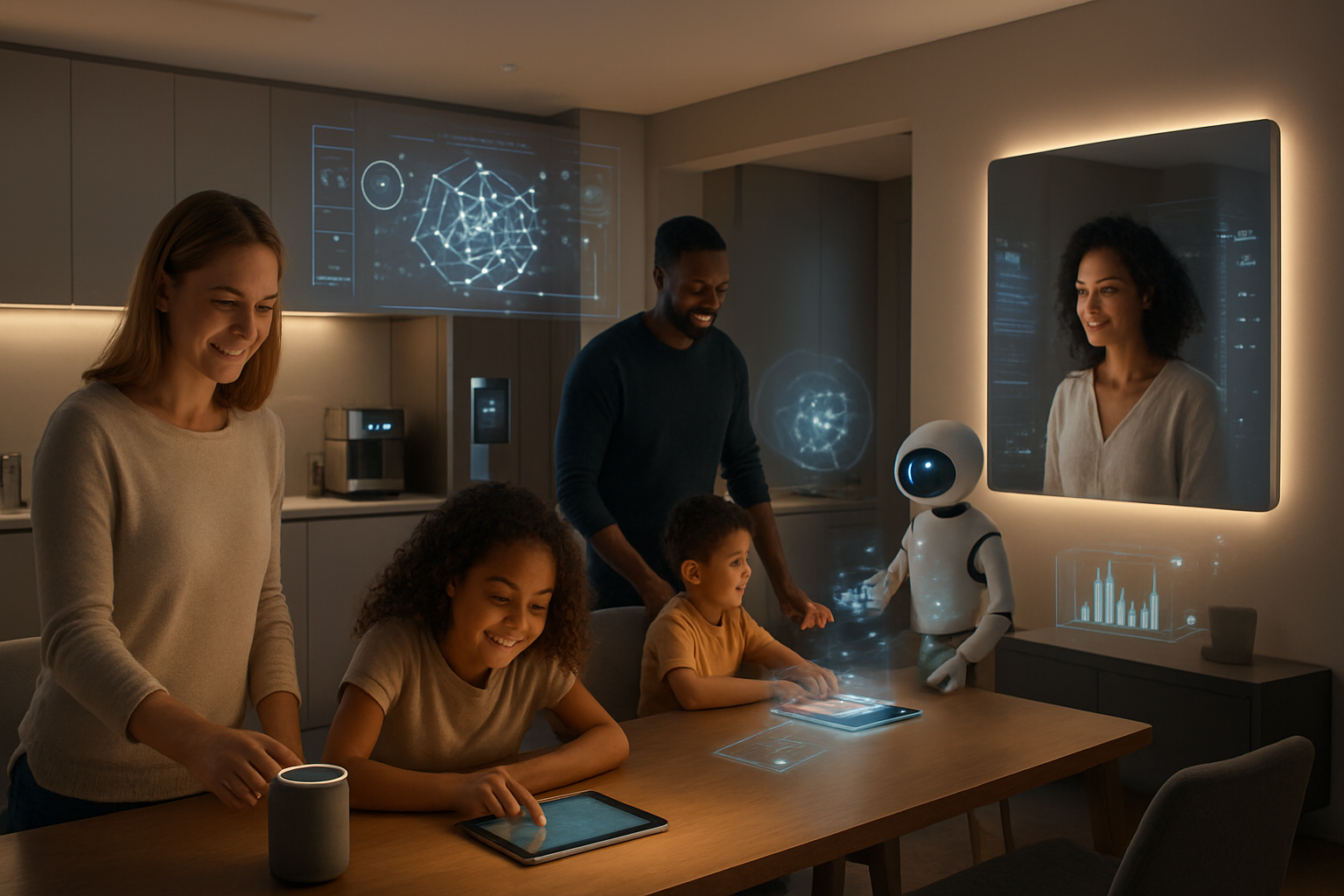
Conversational AI replacing traditional voice assistants
The landscape of voice-powered technology has undergone a dramatic transformation as traditional voice assistants evolve into sophisticated conversational AI systems. Virtual personal assistants like Amazon Alexa, Google Home, and Apple’s Siri now utilize advanced machine learning capabilities that extend far beyond simple command recognition. These devices employ a powerful combination of speech recognition technology and machine learning algorithms to capture data on user requests and continuously improve their accuracy in delivery.
Modern conversational AI systems detect when users begin speaking, process natural language in real-time, and deliver contextually appropriate responses. When you ask “Siri, what is the weather like today?” the system searches the web for weather forecasts in your location and provides detailed, personalized information. This represents a significant leap from earlier voice assistants that relied on rigid command structures and limited vocabulary recognition.
The machine learning components in these systems continuously analyze patterns in user interactions, learning from each conversation to enhance future performance. As these algorithms consume more data from daily interactions, they become increasingly accurate in their predictions and decision-making processes, creating more natural and intuitive user experiences.
Machine learning driving intelligent automation across industries
Machine learning has emerged as the driving force behind intelligent automation across numerous sectors, fundamentally transforming how businesses operate and deliver services. In the financial industry, machine learning has created unprecedented opportunities as most banking systems transition to digital platforms. Advanced algorithms now monitor abundant financial transactions that cannot be supervised by human oversight, efficiently analyzing patterns to identify fraudulent activities and enhance financial accuracy.
One of the most visible applications is mobile check deposit technology, which uses handwriting and image recognition to “read” checks and convert them to digital text. Credit scoring and lending decisions are now powered by sophisticated machine learning models that analyze financial risk with remarkable precision. The integration of data analytics with artificial intelligence and machine learning is revolutionizing the customer experience in banking, providing more personalized and efficient services.
Healthcare represents another frontier where machine learning drives intelligent automation. Electronic medical records enhanced with analytics and machine learning provide clinicians with insights that support better planning, patient care, improved diagnoses, and reduced treatment costs. Healthcare organizations like Pfizer and Providence are already benefiting from analytics enhanced by human and artificial intelligence collaboration.
Machine learning integration with radiology, cardiology, and pathology is leading to earlier detection of abnormalities and heightened attention to concerning areas. Wearables generate massive amounts of health data, utilizing AI and machine learning to alert users and doctors of potential issues, supporting preventative measures and emergency response capabilities.
Natural language processing enabling seamless human-computer interaction
Natural language processing (NLP) has revolutionized how machines understand and manipulate human speech, creating seamless interactions between humans and computers. This technology enables software coded with AI to convert recorded and live speech into text files with remarkable accuracy, opening new possibilities across various applications.
In medical contexts, voice-based technologies help doctors extract important medical terminology from patient conversations, streamlining documentation processes. While these tools aren’t yet advanced enough to make independent clinical decisions, speech recognition services provide patients with automated medication reminders, functioning like digital health aides.
Mobile voice-to-text applications demonstrate another practical implementation of NLP technology. Like Siri and Cortana, these systems learn words and language patterns, then transcribe audio into written text. Predictive text features utilize simple supervised learning to recognize and predict common, contextual words or phrases based on user input patterns.
The sophistication extends to unsupervised learning capabilities that adjust predictions based on accumulated data. Users may notice that predictive text systems begin recommending personalized vocabulary, including unique terminology from hobbies or specialized fields that fall outside standard dictionaries. This personalization occurs as the system learns individual communication patterns and preferences.
Email automation represents another crucial application of NLP technology, where machine learning influences inbox functionality behind the scenes. Successful spam filtering adapts and identifies patterns in undesirable email content, analyzing data from email domains, sender locations, message text structure, and IP addresses. These systems continuously improve through user feedback, with each marked email adding new reference data that enhances future accuracy.
Connected World Through Smart Devices and IoT

Internet of Things creating intelligent spaces and smart cities
The Internet of Things (IoT) is fundamentally transforming urban landscapes and living spaces through unprecedented connectivity that links billions of devices worldwide. The global IoT device ecosystem is experiencing explosive growth, with forecasts indicating a dramatic expansion from 19.8 billion connected devices in 2025 to over 40.6 billion by 2034. This massive proliferation of smart devices is creating intelligent spaces that respond dynamically to human needs and environmental conditions.
Smart cities represent one of the most compelling applications of IoT technology, where connected infrastructure enables comprehensive urban management systems. These intelligent urban environments rely heavily on cellular IoT connectivity to support complex, data-intensive applications including traffic management, public safety monitoring, energy optimization, waste management, and water distribution systems. The cellular IoT connections and connectivity market, valued at $6.7 billion in 2024, is projected to reach $126.7 billion by 2035, demonstrating the massive scale of this transformation.
Major industry verticals are already deploying millions of IoT devices to create smarter operational environments. Electricity, gas, steam and air conditioning systems, water supply and waste management, retail and wholesale operations, transportation and storage facilities, and government infrastructure all currently utilize more than 100 million connected IoT devices each. These implementations are creating intelligent spaces that can monitor, analyze, and respond to changing conditions in real-time.
The consumer segment accounts for approximately 60 percent of all IoT devices, with this proportion expected to remain stable over the next decade. Consumer internet and media devices, including smartphones, represent the largest use case category, with forecasts indicating growth to more than 17 billion devices by 2033. This widespread adoption is transforming homes into intelligent spaces where appliances, security systems, lighting, and climate control work together seamlessly.
Wearable technology enhancing human performance and health monitoring
Now that we have covered the broader IoT ecosystem, wearable technology emerges as a critical component in the connected world, serving as personal gateways to the Internet of Things. The advancement of cellular IoT technologies, particularly 5G RedCap (Reduced Capability), is specifically opening new possibilities for wearable devices by providing cost-effective and power-efficient connectivity solutions.
5G RedCap technology represents a significant breakthrough for wearable applications, offering the benefits of 5G infrastructure while reducing device complexity and extending battery life. This advancement enables continuous health monitoring, real-time biometric tracking, and seamless integration with healthcare systems without the traditional limitations of power consumption and connectivity reliability that have constrained wearable device capabilities.
Healthcare monitoring through wearable technology is becoming increasingly sophisticated, with devices capable of collecting comprehensive biometric data and transmitting it securely through cellular networks. The integration of edge computing with cellular IoT further enhances these capabilities by reducing latency and bandwidth requirements, enabling faster decision-making and real-time analytics for health-critical applications. This technological convergence allows wearable devices to provide immediate health insights and alerts, potentially preventing medical emergencies through predictive monitoring.
The cellular connectivity backbone supporting wearable technology ensures wide coverage, strong mobility support, enhanced reliability, and carrier-grade security that traditional short-range technologies cannot match. Unlike Wi-Fi or Bluetooth connections, cellular IoT provides continuous connectivity regardless of location, making wearable devices truly mobile health monitoring solutions that can function anywhere with cellular coverage.
5G networks enabling faster connectivity for advanced applications
With this transformation in wearable technology in mind, 5G networks are serving as the fundamental enabler for advanced IoT applications across all sectors. The 5G segment dominated the cellular IoT market by network type, holding 37.5 percent market share in 2024, and is expected to witness the fastest growth while remaining the dominant contributor to market revenue through 2035.
5G technology offers ultra-low latency, high bandwidth, and massive device density capabilities that are essential for industrial automation, autonomous systems, and smart city infrastructure. These characteristics make 5G indispensable for real-time and mission-critical IoT applications that require instantaneous response times and reliable data transmission.
The deployment of 5G Standalone (SA) networks represents a significant advancement in IoT connectivity, enabling uninterrupted machine-to-machine communication without reliance on legacy 4G infrastructure. This enhanced performance capability supports the massive scale of connected devices required for comprehensive smart city implementations and industrial automation systems.
Connected vehicles and autonomous systems represent major use cases that will benefit from 5G connectivity, with forecasts indicating more than one billion connected vehicle devices by 2033. The ultra-low latency and high reliability of 5G networks are crucial for vehicle-to-vehicle and vehicle-to-infrastructure communication systems that enable safe autonomous operation.
The integration of hybrid connectivity models that combine terrestrial 5G networks with satellite communications is extending IoT coverage to remote and underserved regions, creating truly global connectivity for advanced applications. This comprehensive coverage ensures that smart devices and IoT systems can operate effectively regardless of geographic location, enabling consistent performance across diverse environments and use cases.
Autonomous Systems Revolutionizing Transportation and Work
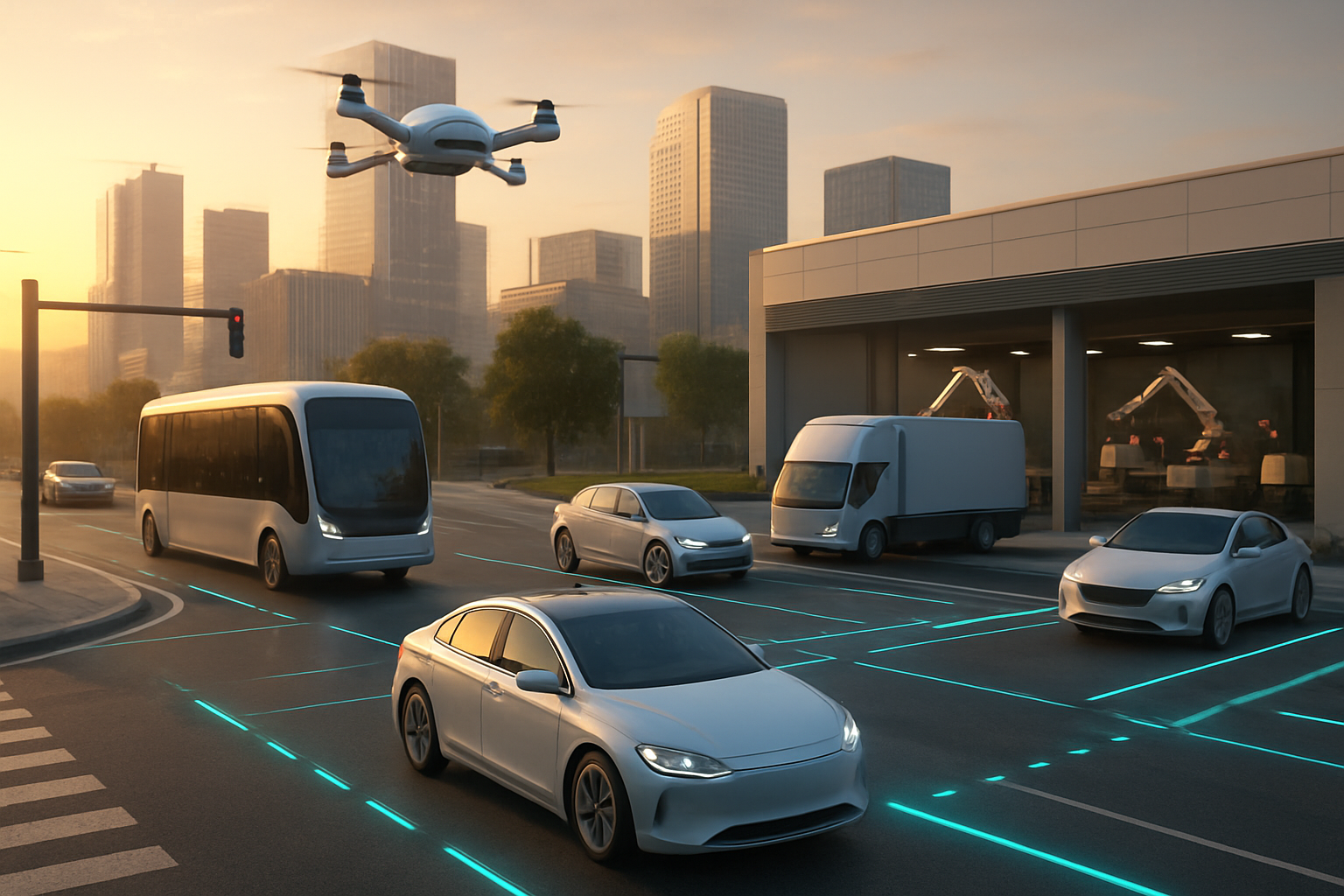
Self-driving cars and robot taxis expanding to major cities and highways
The autonomous vehicles transportation revolution is now becoming reality in major cities across the globe. Waymo, positioning itself as “The World’s Most Experienced Driver,” has established the world’s first autonomous ride-hailing service, demonstrating how self-driving cars are transforming urban mobility. The technology has expanded beyond testing phases to active deployment in over 25 major cities across the United States, including San Francisco, Los Angeles, Seattle, Phoenix, Austin, New York, and Boston, with international expansion reaching Tokyo and London.
The safety statistics from Waymo’s operations reveal the transformative potential of autonomous vehicles transportation systems. Compared to average human drivers over the same distance in operating cities, the Waymo Driver achieved 90% fewer serious injury crashes, 82% fewer airbag deployments, and 81% fewer injury-causing crashes. These figures underscore how future technology trends in autonomous systems are addressing the critical issue that 93% of road crashes result from human error.
Autonomous vehicle technology operates through sophisticated levels of automation, ranging from Level 0 (no automation) to Level 5 (full automation). Current deployments primarily utilize Level 4 systems, which provide high automation within specific geographic boundaries. The technology relies on multiple sensor systems including cameras for visual data, LiDAR for precise environmental mapping, radar for object detection and speed measurement, and GPS for navigation and positioning. This sensor fusion creates comprehensive environmental awareness that enables safe autonomous navigation.
The integration of machine learning applications enhances the decision-making capabilities of these vehicles. Computer vision algorithms enable real-time object detection and recognition, identifying pedestrians, other vehicles, traffic signs, and potential hazards. Neural networks continuously improve the system’s ability to interpret complex visual data and navigate challenging environments. Deep learning algorithms process vast amounts of real-time data to make critical driving decisions such as lane changes, intersection navigation, and hazard avoidance.
Drones and unmanned vehicles transforming delivery and emergency services
The expansion of autonomous systems beyond ground vehicles includes aerial drones and unmanned delivery systems that are revolutionizing logistics and emergency response capabilities. These emerging tech 2024 solutions utilize similar sensor technologies and machine learning applications as their ground-based counterparts, including advanced computer vision for navigation and obstacle avoidance.
Autonomous drone delivery systems leverage predictive analytics to optimize flight paths, reduce delivery times, and minimize energy consumption. The technology processes historical traffic patterns, weather conditions, and real-time airspace data to ensure efficient operations. Natural Language Processing capabilities enable voice-controlled interactions, allowing operators to manage multiple drone operations through intuitive commands rather than complex manual controls.
Emergency services benefit significantly from unmanned vehicle deployment, as these systems can access dangerous or difficult-to-reach areas without risking human lives. The real-time data processing capabilities enable immediate assessment of emergency situations, while the autonomous navigation systems ensure rapid response times regardless of traffic conditions or environmental obstacles.
Collaborative robots working alongside humans in various industries
The future technology trends in autonomous systems extend into industrial applications through collaborative robots, or “cobots,” that work seamlessly alongside human workers. These systems incorporate the same machine learning applications and computer vision technologies used in autonomous vehicles, adapting them for manufacturing and service environments.
Collaborative robots utilize deep learning algorithms to understand and predict human behavior patterns, enabling safe and efficient human-robot interaction. The systems process environmental data through multiple sensors to maintain awareness of human presence and adjust operations accordingly. This digital transformation daily life extends workplace capabilities while maintaining safety protocols.
The predictive analytics capabilities of collaborative robots optimize production processes by analyzing historical performance data and real-time conditions. Machine learning algorithms continuously improve task execution, reducing errors and increasing efficiency. Voice command integration through Natural Language Processing allows workers to communicate naturally with robotic systems, streamlining operations and reducing training requirements.
These autonomous systems represent a fundamental shift in how industries approach automation, moving from isolated robotic systems to integrated collaborative environments that enhance human capabilities rather than replacing them entirely.
Immersive Digital Experiences Reshaping Reality
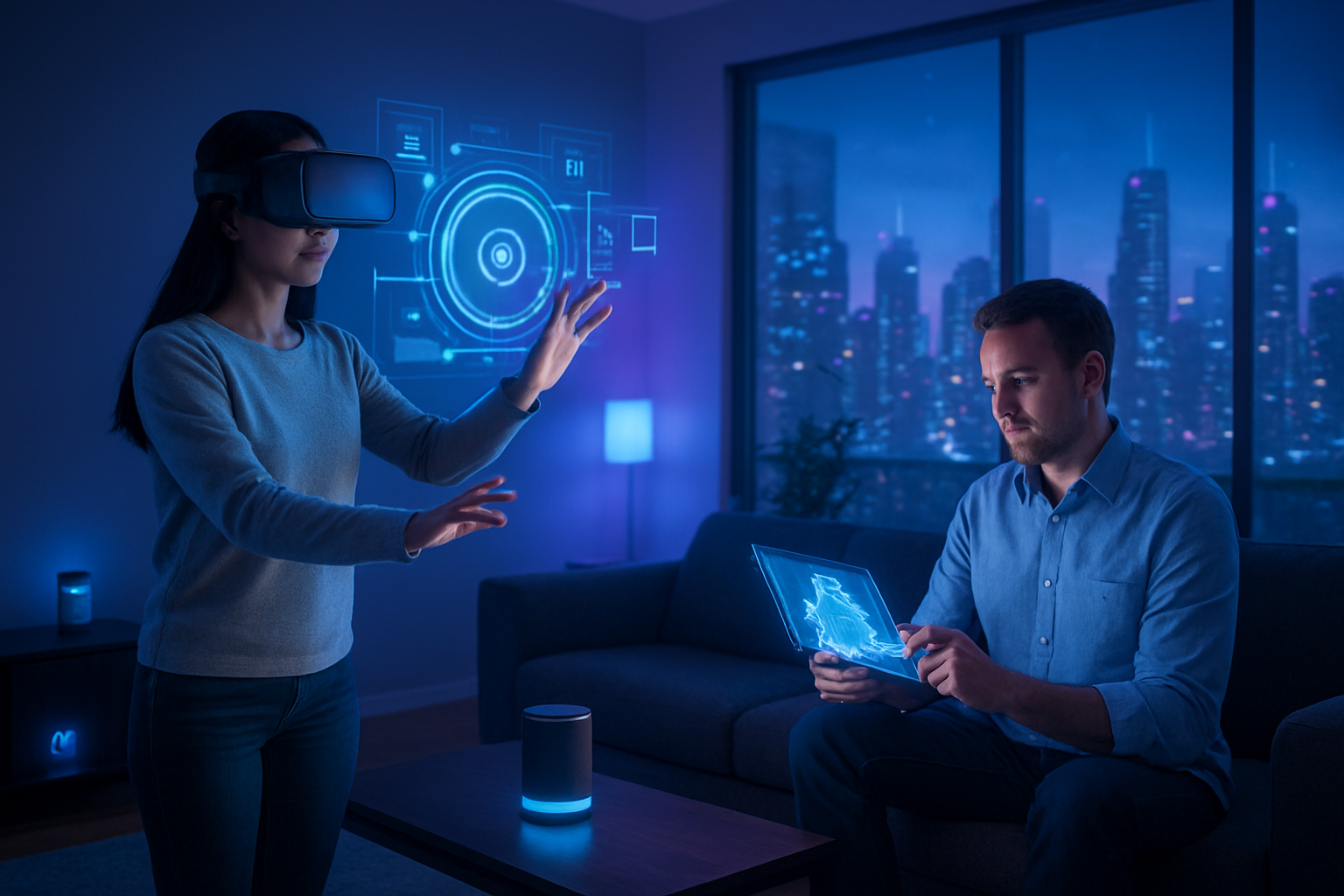
Extended reality technologies creating virtual and augmented environments
Extended Reality (XR) represents a revolutionary paradigm shift in how we interact with digital information, serving as an umbrella term that encompasses augmented reality (AR), virtual reality (VR), and mixed reality (MR). These virtual reality augmented reality technologies are fundamentally transforming our daily experiences by overlaying or immersing digital information into real-world and virtual environments through a process known as spatial computing.
Virtual Reality completely replaces a user’s view, creating full immersion within computer-generated virtual environments. Modern VR devices like the Meta Quest 3 deliver AAA gaming experiences and virtual worlds, powered by high-end processors that enable standalone operation anywhere. VR technology focuses on high-quality video rendering and ultra-low latency to create seamless experiences for entertainment, training, education, and healthcare applications. The technology has evolved significantly from requiring dedicated spaces and supercomputers to becoming accessible through affordable all-in-one headsets that operate independently of powerful PCs.
Augmented Reality enhances our view of the real world by overlaying computer-generated information onto physical environments. While smartphone AR applications like Snapchat filters and IKEA Place have demonstrated the technology’s potential, the focus is increasingly shifting toward wearable AR smart glasses. These devices must combine ultra-low-power processors with multiple sensors, including depth perception and tracking capabilities, all within lightweight, comfortable form factors suitable for extended wear. Recent innovations include Ray-Ban Meta Smart Glasses and Meta’s Orion smartglasses, which showcase advanced AR displays and real-time AI video processing capabilities.
Mixed Reality seamlessly integrates real and virtual worlds, creating environments where users can directly interact with both digital and physical objects simultaneously. This technology enables two distinct experiences: mixing virtual objects into real-world environments and integrating real-world elements into virtual spaces. Popular examples include Pokémon GO, which overlays virtual creatures in real-world locations, and streaming platforms where real-world personalities are superimposed into virtual gaming environments, creating more engaging and interactive content for audiences.
Digital twins enabling risk-free testing and optimization
Digital twins are revolutionizing how industries approach design, testing, and optimization by creating physically accurate, fully ray-traced virtual replicas of real-world systems and environments. These sophisticated simulations enable organizations to test scenarios, validate designs, and optimize performance without the risks and costs associated with physical prototyping and experimentation.
Platforms like NVIDIA Omniverse have transformed how users create and operate digital twin simulations, allowing global teams to collaborate on 3D simulations and virtual worlds. These platforms provide unprecedented flexibility, enabling users to access physically accurate virtual environments through traditional 2D monitors or immersive XR experiences, depending on their specific needs and preferences.
The integration of XR technologies with digital twins has created powerful applications across multiple industries. In architecture and construction, professionals can visualize building projects in complete detail before physical construction begins, allowing designers and customers to finalize details and identify potential issues early in the development process. Retail organizations utilize digital twins to test virtual store displays and layouts before implementing them physically, significantly reducing costs and improving customer experiences.
Industrial applications benefit tremendously from digital twin technology, particularly in training scenarios where interactive programs can simulate complex procedures without safety risks or expensive equipment requirements. Healthcare applications include realistic medical training simulations that eliminate the need for physical consultations in certain scenarios, while enabling AR-assisted surgeries that enhance precision and outcomes.
Computer vision and facial recognition advancing visual intelligence
Computer vision technologies are fundamental to XR systems, enabling devices to understand and interpret visual information from the real world with unprecedented accuracy. These systems rely on sophisticated algorithms that process visual data in real-time, supporting essential XR features including depth perception, 3D SLAM (Simultaneous Localization and Mapping), object recognition, and gesture tracking.
Modern XR devices integrate multiple computer vision capabilities to create seamless user experiences. Object, gesture, and gaze tracking technologies enable natural navigation methods, while depth perception and location mapping features provide spatial awareness necessary for accurate augmented reality overlays. These capabilities are enhanced by AI and machine learning systems that continuously improve recognition accuracy and response times.
Facial recognition and expression capture technologies have become increasingly sophisticated, enabling VR systems to capture and translate user facial expressions into virtual environments. This advancement is particularly important for social VR applications and virtual meeting platforms like Meta’s Horizon Workrooms, where realistic avatar representation enhances communication and collaboration experiences.
The evolution toward more compact language models designed for efficient operation on smaller devices is enabling real-time language processing capabilities in XR systems. These models allow devices to understand and respond to natural language commands instantly, creating more intuitive user interfaces that respond to voice commands while users interact with virtual and augmented environments.
Eye tracking technology represents another significant advancement in visual intelligence, enabling XR systems to understand where users are looking and respond accordingly. This capability supports features like foveated rendering, which optimizes computational resources by rendering high-quality graphics only in areas where users are directly looking, while reducing processing requirements for peripheral vision areas.
Next-Generation Computing and Data Technologies

Cloud and Edge Computing Democratizing Access to Powerful Analytics
Cloud computing has revolutionized how organizations handle data by providing scalable storage and computational resources to support expansive data needs. This technology democratizes access to powerful analytics by eliminating the need for expensive on-premises infrastructure, allowing businesses of all sizes to leverage sophisticated data processing capabilities.
Edge computing complements this transformation by processing data closer to its source, significantly reducing latency and bandwidth usage. This distributed approach is vital for real-time IoT applications where milliseconds can make the difference between success and failure. By bringing computational power to the network’s edge, organizations can analyze data instantly without the delays associated with transmitting information to distant cloud servers.
The integration of cloud and edge computing creates a powerful hybrid framework that addresses the challenges of modern IoT systems. Traditional cloud-only approaches face limitations in processing speeds, security, and latency, while edge-only solutions lack the scalability and vast storage capabilities that cloud infrastructure provides. The combination overcomes these individual limitations by leveraging the strengths of both approaches.
Performance improvements are substantial when comparing hybrid cloud-edge systems to traditional methods. Real-world implementations show processing time reductions from 10 seconds to 5 seconds, error rate decreases from 0.30% to 0.15%, and data throughput increases from 100 MB/sec to 200 MB/sec across various IoT applications. These improvements are particularly evident in smart city traffic management, healthcare monitoring, and industrial process control scenarios.
Quantum Computing Promising Unprecedented Processing Capabilities
Quantum computing represents a paradigm shift in computational capabilities, using quantum bits (qubits) instead of classical bits. Unlike traditional computing where bits exist as either 0 or 1, qubits can exist in multiple states simultaneously through a principle called superposition. This fundamental difference enables quantum computers to perform specific calculations much faster than classical computers, with tasks that might take classical computers years potentially completed in minutes.
The emergence of Quantum-Edge Cloud Computing (QECC) integrates quantum computing’s computational prowess with edge computing’s low-latency benefits and cloud computing’s scalability. This integration addresses the complex challenges of IoT systems by combining the power of all three computing paradigms to deliver real-time data processing with enhanced security capabilities.
Quantum computing introduces processing capabilities that transcend traditional computational limits while enhancing data security through quantum cryptography. In practical applications, quantum sensors leveraging quantum mechanics can improve object detection and navigation accuracy in autonomous vehicles, especially in adverse weather conditions, surpassing the limitations of classical LiDAR systems.
Case studies across various environments demonstrate quantum computing’s transformative potential. In smart city applications, traffic management processing speeds improve from 10 seconds to 5 seconds with response times dropping from 2 seconds to 1 second. Healthcare patient monitoring shows similar improvements, with processing times reducing from 2 seconds to 1 second and response times decreasing from 0.5 seconds to 0.2 seconds.
However, quantum computing implementation faces challenges including limited resources, decoherence, error rates, and real-time processing demands. Techniques like Variational Quantum Algorithms (VQAs), Quantum Machine Learning, Quantum Key Distribution, and hybrid quantum-classical algorithms are being developed to address these optimization challenges.
Big Data and Augmented Analytics Extracting Insights from Complex Information
The exponential growth of data continues at an astonishing rate, with information generated from social media feeds, weather forecasts, and countless other sources. Big data analytics has emerged as the solution for sifting through this vast information landscape to discover significant insights that drive business decisions and technological advancement.
Traditional analytics tools struggle with the sheer volume and complexity of modern data, creating opportunities for enhanced processing capabilities. The integration of quantum computing with big data analytics promises to revolutionize how organizations extract insights from complex information, accelerating data processing while enhancing the ability to solve problems that classical computers struggle to address.
In healthcare, quantum-enhanced cloud analytics enables the analysis of vast amounts of genomic data more efficiently. Researchers are utilizing quantum computing to analyze genetic data, helping develop personalized medicine for cancer treatment. This rapid processing capability allows for more personalized medicine approaches and faster diagnosis, transforming patient care delivery.
The finance sector demonstrates similar transformative potential, where risk assessment models that previously took days now process in minutes. Quantum algorithms for financial modeling significantly speed up complex risk calculations and portfolio optimizations, boosting efficiency while enhancing prediction accuracy crucial for investment strategies and fraud detection.
Industrial IoT applications benefit most significantly from error rate reductions when implementing advanced computing frameworks. Error rates correlate directly with response times, and next-generation computing systems generally exhibit lower error rates for similar response times compared to traditional computing approaches. This improvement is critical for industrial process control where precision and reliability are paramount for operational success.
Biotechnology and Human Enhancement Breakthroughs
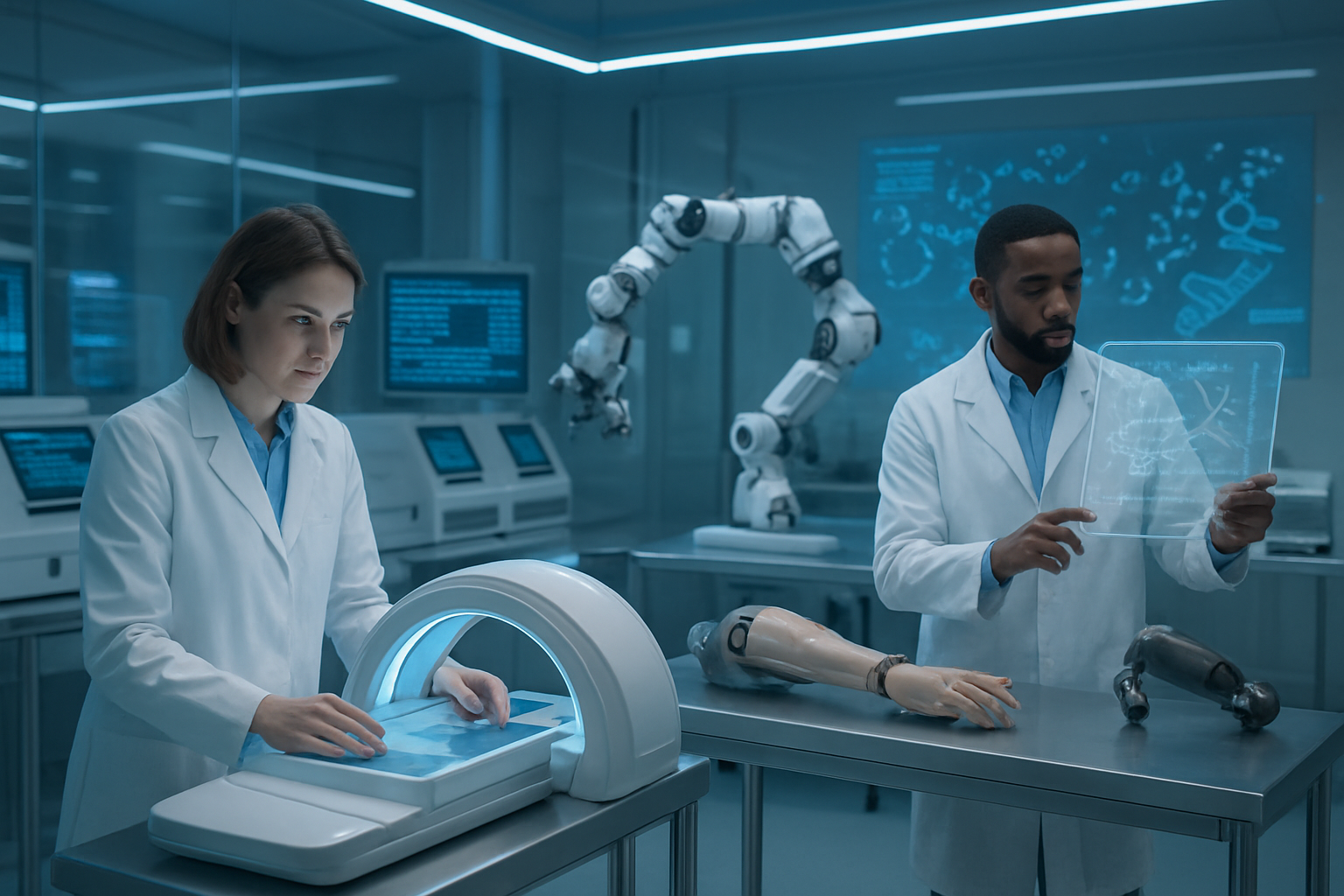
Genomics and gene editing advancing personalized medicine
Revolutionary gene editing technologies, particularly CRISPR-Cas9, are fundamentally transforming personalized medicine by enabling precise modifications to DNA sequences. This biotechnology allows for the insertion, deletion, and modification of genetic material with unprecedented accuracy, offering new hope for treating previously incurable genetic disorders. The technology’s efficiency surpasses traditional gene targeting methods by allowing direct application in embryos, significantly reducing the time required for genetic modifications.
Genetic testing now provides crucial insights into individual predispositions to various diseases, enabling healthcare professionals to develop targeted prevention strategies. By identifying genetic markers associated with conditions like breast and ovarian cancers, medical practitioners can implement early detection protocols and intervention strategies. This proactive approach to disease prevention represents a paradigm shift from reactive treatment to predictive healthcare.
The field of precision medicine has expanded dramatically through advances in genomics, with targeted therapies being developed based on specific genetic factors. For neurodegenerative diseases like Alzheimer’s and Amyotrophic Lateral Sclerosis (ALS), CRISPR technology shows promise in correcting autosomal dominant mutations and addressing problematic neurons. Researchers have successfully demonstrated the potential to decrease harmful peptides associated with Alzheimer’s while restoring electrophysiological deficits.
CAR T cell therapy exemplifies the intersection of genetics and immunotherapy, transforming immune system cells that cannot recognize cancer into powerful cancer-fighting agents. This personalized treatment approach modifies T cells using CRISPR technology, creating customized therapies tailored to individual genetic profiles and disease characteristics.
For individuals with immunocompromised conditions like Severe Combined Immunodeficiency (SCID), gene therapies are being developed to correct genetic defects that weaken immune system function. These treatments address fundamental genetic flaws, potentially making patients less susceptible to various infections and improving their overall quality of life.
Augmented humans merging technology with biology
The convergence of technology and biology is creating unprecedented opportunities for human enhancement beyond traditional medical applications. Human genetic enhancement encompasses interventions designed to improve physical capabilities, mental faculties such as memory and intelligence, athletic performance, and even aesthetic characteristics through genetic modification techniques.
These biotechnology advancements raise significant considerations about the distinction between therapeutic genetic repair and enhancement applications. While correcting genetic defects to treat diseases is widely accepted, genetic enhancement for improving normal human functions generates substantial ethical debate within the scientific community. The technology’s capability extends to preventing hereditary diseases by modifying germline cells, potentially affecting future generations.
Current research in genetic enhancement focuses on optimizing immune system responses and overall health parameters. By fine-tuning genetic factors related to general well-being, scientists aim to create populations more resilient to environmental challenges and less susceptible to infectious diseases. This proactive approach to human optimization represents a significant departure from traditional medicine’s focus on treating existing conditions.
The implications of merging technology with human biology extend beyond individual benefits to potentially transforming entire population health trajectories. Genetic modifications designed to enhance immune responses could reduce society’s overall disease burden while improving resistance to emerging pathogens.
Nanotechnology and materials science creating innovative solutions
Advanced materials science and nanotechnology are revolutionizing drug delivery systems and therapeutic approaches in biotechnology applications. These microscopic technologies enable precise targeting of specific cells and tissues, improving treatment efficacy while minimizing side effects.
Innovative nanoparticle delivery systems have emerged as gentle alternatives to traditional injection methods for gene editing. Recent research demonstrates successful gene correction in experimental models using nanoparticles combined with peptide nucleic acids, eliminating the need for harsh injection procedures that could potentially harm developing tissues.
The integration of nanotechnology with CRISPR applications shows particular promise for treating viral infections. Researchers have successfully targeted various viruses including HSV-1, EBV, HIV-1, HBV, HPV, and HCV using advanced delivery systems. These nanoscale platforms can deliver therapeutic agents directly to infected cells while avoiding damage to healthy tissue.
Materials science innovations are also advancing bacteriophage-mediated therapies, where engineered viruses deliver CRISPR components to sensitize antibiotic-resistant bacteria to treatment. This approach represents a novel strategy for combating antimicrobial resistance through precise genetic modifications delivered via biological vectors.
The combination of nanotechnology and gene editing technologies continues to expand therapeutic possibilities, with ongoing clinical trials exploring applications for HIV elimination and cancer treatment. These emerging biotechnology trends demonstrate the potential for creating highly sophisticated, targeted interventions that merge cutting-edge materials science with biological systems.
Digital Platforms and Personalized Services

Platform-based business models disrupting traditional industries
Digital platforms and marketplaces are transforming the fundamental way businesses operate, representing a significant paradigm shift across industries. With the power to enable unprecedented scale and network effects, these platforms connect vast numbers of users with providers, creating more efficient resource allocation while opening access to new markets and customer segments.
The rise of digital platforms like Google’s collaboration ecosystem and LinkedIn’s professional networking demonstrates how sophisticated technology and artificial intelligence can connect users on a global scale. These platforms create value by facilitating interactions among diverse user groups, employing data to refine user experiences and encouraging network effects where the platform’s utility grows exponentially with each additional user.
Traditional industries are feeling the disruptive force of these digital transformation strategies, particularly in highly regulated sectors. The insurance industry exemplifies this nuanced impact – InsurTech companies like Lemonade have revolutionized insurance marketing and sales by leveraging technology for streamlined, personalized experiences. Through AI and behavioral economics, these platforms have transformed how insurance is bought and sold, demonstrating technology’s power to rapidly realign economic landscapes and challenge traditional companies to adapt or risk obsolescence.
Marketplaces such as Amazon and eBay epitomize this transformational power, functioning not merely as retailers but as vast, scalable ecosystems where millions of buyers and sellers transact. This model has upended traditional retail economics by offering unparalleled product ranges without inventory ownership, leveraging digital transformation for unprecedented growth.
Mass personalization delivering customized products at scale
Hyper-personalization represents a strategic frontier in the digital economy, shifting from generic, one-size-fits-all offerings to highly tailored, individualized user experiences. This transformation is powered by advanced artificial intelligence and machine learning technologies that analyze vast amounts of data in real-time, delivering remarkable precision in customer service and product recommendations.
Companies can now leverage customer data and AI to gain deeper understanding of individual preferences, behaviors, and needs, using this information to proactively enhance customer experiences. For instance, Peloton’s fitness platform exemplifies personalization excellence by using data from users’ first workouts to establish baselines and suggest fitness goals. The platform displays personalized PowerZone numbers during workouts and tracks class participation to provide strong recommendations and progress tracking, creating experiences so tailored they feel like the platform understands users better than they understand themselves.
The benefits of this approach are substantial – according to research, 90% of customers find personalized advertising content attractive, and 80% are more likely to make purchases when receiving personalized customer experience content. Predictive analytics, powered by AI, plays a crucial role by enabling deep understanding of customer behaviors and trends through comprehensive data processing from multiple sources including digital interactions, sensors, and buying history.
However, hyper-personalization presents challenges, particularly surrounding data privacy and digital natives’ expectations. Companies are adopting transparent data use policies and investing in automation to maintain performance while handling sensitive data ethically, requiring careful balance between personalization and user privacy.
Micro-moments meeting customer needs in real-time
The evolution toward real-time customer engagement represents a fundamental shift in how businesses respond to immediate customer needs. Modern consumers expect instant gratification and seamless experiences across all touchpoints, driving companies to develop sophisticated systems for capturing and responding to micro-moments – those critical instances when customers make decisions or seek information.
AI-driven targeted promotions and generative AI capabilities enable marketers to create and scale highly relevant messages with bespoke tone, imagery, and copy at unprecedented volume and speed. These innovations allow brands to better connect with customers using language that resonates and provides compelling reasons to engage, moving beyond traditional broad promotional approaches to more granular customer segmentation.
Successful real-time personalization requires sophisticated architecture delivering seamless, consistent messaging to the right audiences at optimal times across channels. This infrastructure combines instant processing of customer signals fed to journey orchestration and decisioning platforms, front-end tools supporting dynamic content optimization, and interoperability across multivendor platforms.
Companies implementing targeted promotions at scale can accomplish remarkable results by applying business rules and algorithms for optimal timing, building flexible coupons with tiered discounts, delivering promotions through all available marketing channels, and activating personalization with always-on cadence. Organizations pushing incremental sales through these targeted approaches typically see 1-2% sales lifts and 1-3% margin improvements, demonstrating the tangible business impact of meeting customers precisely when and where they need support.
Security and Manufacturing Innovation
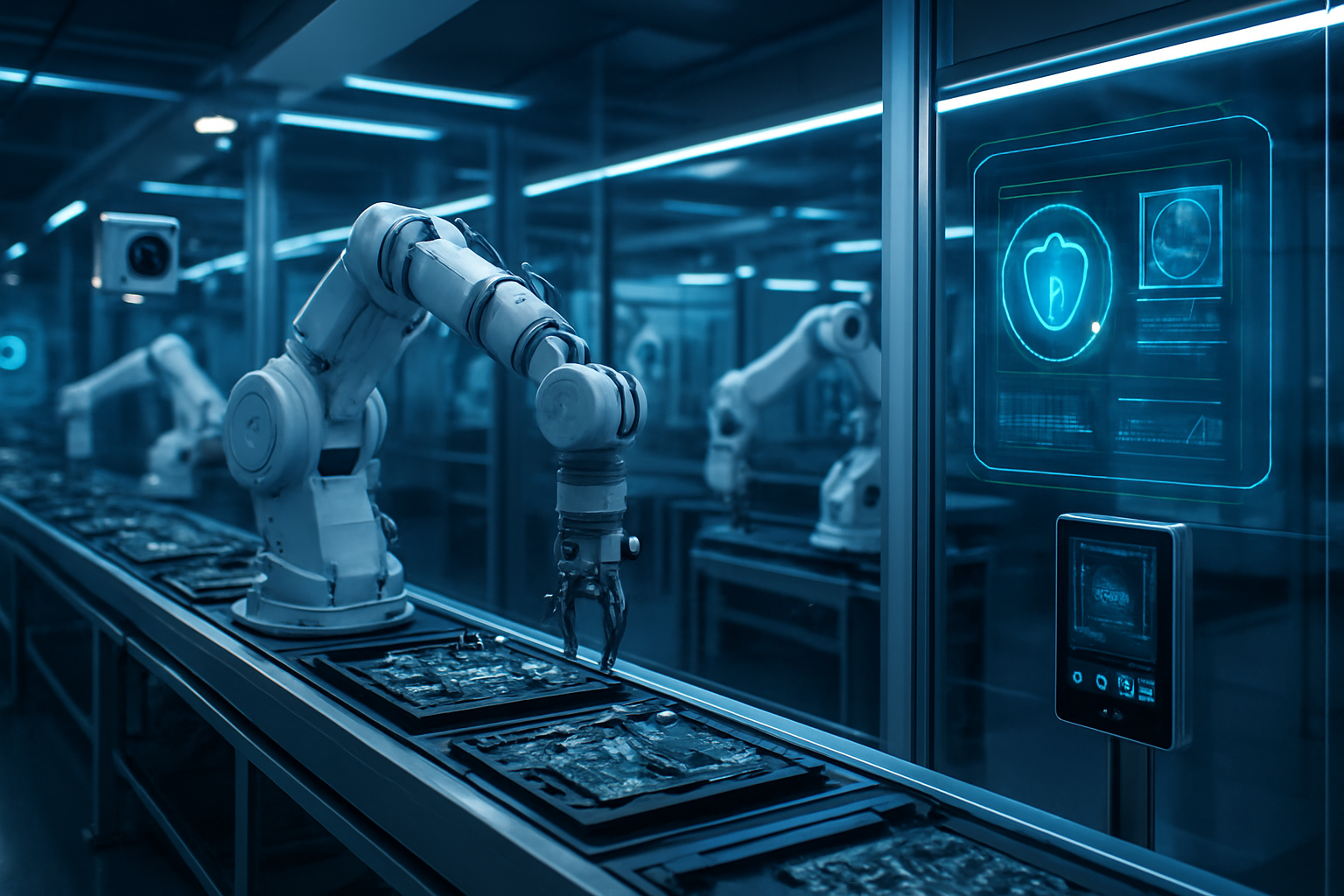
Cybersecurity and resilience protecting against evolving threats
Modern manufacturing faces unprecedented cybersecurity challenges as digital transformation accelerates across industries. The integration of connected systems and data-driven processes has created new vulnerabilities that demand comprehensive security strategies to protect both intellectual property and operational integrity.
Recent surveys reveal a concerning cybersecurity disconnect within the manufacturing sector. While 89% of industry professionals identify theft of technical data as a primary security concern, only 41% have taken concrete steps to address these threats. This gap highlights the urgent need for enhanced security awareness and implementation across manufacturing operations.
Manufacturing cybersecurity threats encompass multiple attack vectors that can compromise both digital assets and physical production. Intellectual property theft remains a paramount concern, with design files and proprietary manufacturing data at constant risk of unauthorized access. Data integrity attacks pose equally serious threats, where adversaries manipulate critical files or process parameters, potentially leading to defective products with catastrophic downstream consequences.
Network security vulnerabilities in connected manufacturing environments create additional risk surfaces. Many production systems rely on networked controls for remote monitoring and operation, making them susceptible to unauthorized access attempts. These security gaps can enable production sabotage, equipment manipulation, or the introduction of malicious code into manufacturing processes.
Supply chain security represents another critical dimension of manufacturing cybersecurity. Digital supply chains involve complex data exchanges between designers, manufacturers, and suppliers, creating multiple points where security breaches can occur. Securing these interconnected relationships requires comprehensive protocols to prevent the insertion of compromised components or manipulated design specifications.
The manufacturing sector’s cybersecurity posture reveals significant gaps in understanding and preparedness. A majority of surveyed organizations (62%) indicated they had not conducted cybersecurity risk assessments, suggesting widespread underestimation of potential threats. Only 22% had engaged external security providers, indicating limited investment in specialized cybersecurity expertise.
Emerging standardization efforts aim to address these security challenges through structured frameworks. The Additive Manufacturing Standardization Collaborative has identified critical gaps in security guidance specific to manufacturing environments. These initiatives recognize that while general IT cybersecurity standards exist, manufacturing operations require specialized approaches that account for unique operational technologies and production-specific vulnerabilities.
The consequences of inadequate cybersecurity extend beyond immediate financial losses. Manufacturing security breaches can compromise product safety, enable counterfeiting operations, and undermine competitive advantages built through years of research and development. In safety-critical industries like aerospace and automotive, compromised components can pose significant public safety risks.
3D and 4D printing enabling additive manufacturing possibilities
Additive manufacturing represents a revolutionary shift from traditional production methods, building complete objects layer by layer from digital design files. This technology enables unprecedented manufacturing flexibility, supporting highly customized production and distributed manufacturing models that transform traditional supply chains.
The additive manufacturing process begins with stereolithography (STL) model designs that define precise geometric specifications for printed objects. These digital blueprints undergo systematic processing through sophisticated printing systems that can achieve remarkable precision, with some technologies reaching Z-axis accuracies of 0.01 mm and layer thicknesses ranging from 0.01 to 0.15 mm.
Modern 3D printing applications span critical industries including automotive parts production, medical implant manufacturing, unmanned aerial vehicle components, and military equipment fabrication. The technology’s ability to produce complex geometries impossible through traditional manufacturing methods has made it indispensable for prototyping and low-volume production runs.
Market growth in additive manufacturing has been exponential, with industry valuations reaching approximately USD 12.8 billion in 2020. Research interest continues expanding rapidly, with academic publications on additive manufacturing exceeding 80,000 papers by 2021, indicating sustained technological advancement and application development.
4D printing extends traditional 3D printing capabilities by incorporating materials that can change properties or configurations over time when exposed to specific stimuli such as temperature, moisture, or electromagnetic fields. This emerging technology promises self-assembling structures and adaptive components that respond dynamically to environmental conditions.
The distributed nature of additive manufacturing enables on-demand production models that reduce inventory requirements and transportation costs. Remote manufacturing capabilities allow centralized design teams to coordinate production across geographically dispersed facilities, optimizing resource utilization and reducing time-to-market for critical components.
Advanced printing technologies now incorporate real-time monitoring systems equipped with sensors that track build processes continuously. This monitoring capability enables quality control optimization and process refinement, ensuring consistent product quality across production runs.
Blockchain technology securing transactions and data integrity
Blockchain technology emerges as a powerful solution for securing digital manufacturing processes against tampering and unauthorized modifications. By creating tamper-resistant records of digital “fingerprints,” blockchain systems can verify the authenticity of manufacturing files before production begins.
The implementation of blockchain in manufacturing relies on high-throughput networks capable of processing large volumes of manufacturing data. Traditional blockchain systems like Bitcoin, with only 7 transactions per second, prove inadequate for manufacturing applications. Advanced sharded blockchain networks like QuarkChain can achieve tens of thousands of transactions per second, making them suitable for real-time manufacturing verification.
Hash-based fingerprinting provides an elegant solution to blockchain storage limitations while maintaining security integrity. Rather than storing entire 3D model files on the blockchain, the system generates unique digital fingerprints using hash functions that produce fixed-length outputs regardless of input file size. Any modification to the original file, even changing a single byte, generates a completely different hash value, ensuring tamper detection.
Smart contract technology enables automated verification processes through programmable whitelist management. These contracts maintain approved design databases that require consensus from multiple authorized entities before modifications. This multi-party verification ensures that only legitimate, authorized designs can proceed to production.
Practical implementation demonstrates blockchain’s effectiveness in preventing manufacturing fraud. Demonstration projects have shown how unauthorized modifications to critical component designs can be intercepted before production, preventing defective parts from entering supply chains. In aerospace applications, compromised component designs detected through blockchain verification prevented potential equipment failures that could have resulted in catastrophic consequences.
The three-layer security architecture combining hash fingerprinting, smart contract whitelists, and authorized printer verification creates comprehensive protection against manufacturing fraud. This approach enables automated manufacturing processes while maintaining rigorous security standards throughout the production chain.
Blockchain integration supports enhanced manufacturing traceability by recording designer credentials, production locations, and manufacturing timestamps. This comprehensive data trail enables rapid response to quality issues and supports regulatory compliance requirements in safety-critical industries.
Industrial applications of blockchain manufacturing security extend beyond individual component verification to encompass entire supply chain integrity. The technology enables secure coordination between multiple manufacturing partners while protecting intellectual property and ensuring component authenticity throughout distributed production networks.
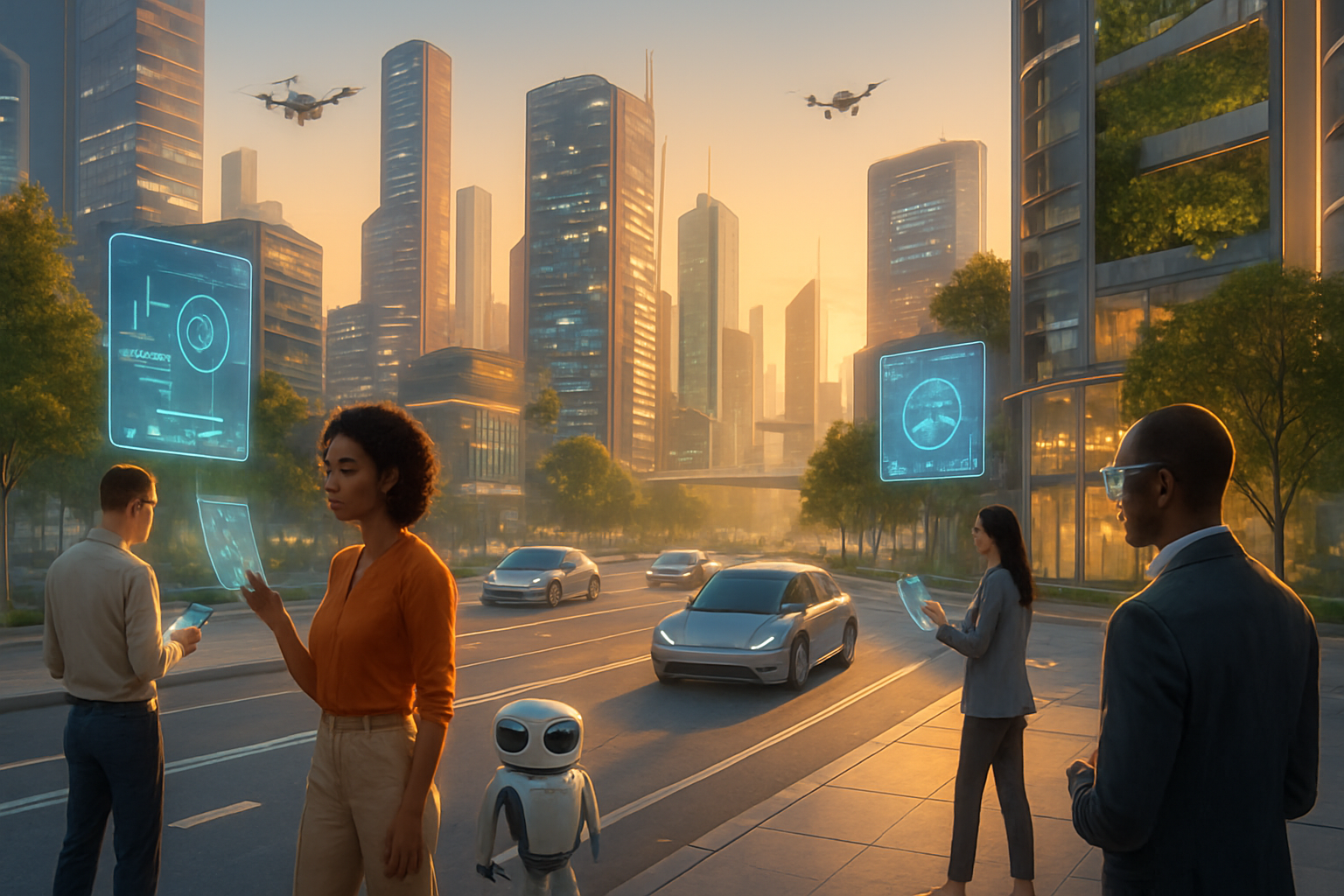
The technological revolution we’re witnessing today is fundamentally reshaping every aspect of human life, from how we communicate with our devices to how we move through the world. The convergence of AI and machine learning with IoT connectivity, autonomous systems, and immersive digital experiences is creating an unprecedented wave of innovation that’s moving from laboratories directly into our daily routines. These advances in computing power, biotechnology, and personalized digital platforms are not distant possibilities—they’re actively transforming industries and personal experiences right now.
As we navigate this rapidly evolving landscape, the key to success lies in understanding and adapting to these emerging technologies rather than simply observing them from afar. The trends outlined here represent more than technological curiosities; they’re the building blocks of tomorrow’s world that demand our attention today. Whether it’s preparing for a future where we naturally converse with AI assistants, embrace autonomous transportation, or benefit from personalized biotechnology solutions, staying informed and engaged with these developments will be crucial for thriving in the decades ahead.