
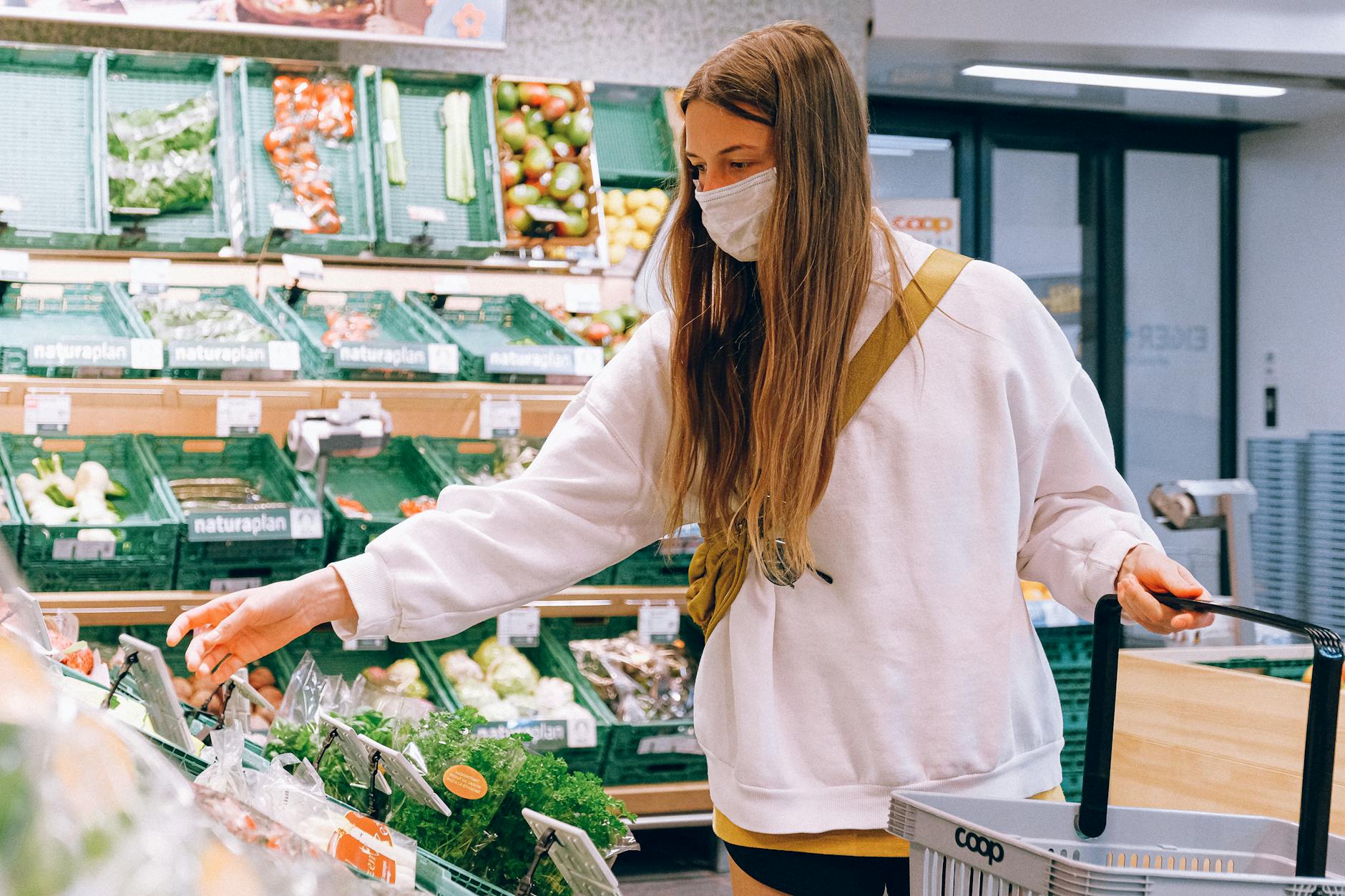
As the world grapples with an unprecedented virus meltdown, are you truly prepared to face the challenges ahead? 🦠 We’ve all seen the panic buying, the social distancing measures, and the constant stream of alarming news. But amidst the chaos, there’s hope. We’ve got your back with 5 essential survival hacks that could make all the difference in these uncertain times.
From stocking up on crucial supplies to boosting your immune system, we’re here to guide you through the storm. 💪 Our team has scoured expert advice and compiled a list of practical, easy-to-implement strategies that will help you and your loved ones stay safe and sane. Whether you’re worried about maintaining hygiene in a world where every surface seems like a threat, or you’re struggling to adapt to the new reality of social distancing, we’ve got you covered.
So, are you ready to take control of your safety and well-being? Let’s dive into these 5 Survival Hacks for the Virus Meltdown You Need Now. Trust us, you won’t want to miss #3 – it could be a game-changer in protecting yourself and your family!
Stock Up on Essential Supplies

A. Create a comprehensive shopping list
When preparing for a potential virus outbreak, creating a comprehensive shopping list is crucial. We need to ensure we have all the essential supplies to sustain ourselves during a potential lockdown or quarantine period. Our list should include items from various categories to cover all our basic needs.
Here’s a table outlining the key categories and examples of items to include in our shopping list:
| Category | Essential Items |
|---|---|
| Food | Non-perishable canned goods, dried beans, rice, pasta |
| Hygiene | Hand soap, disposable gloves, disinfectants |
| Medical | First-aid kit, prescription medications, over-the-counter medicines |
| Water | Water filters, storage containers |
| Miscellaneous | Flashlight, battery-powered radio, extra batteries |
B. Focus on non-perishable foods
When stocking up for a potential virus meltdown, we need to prioritize non-perishable food items. These foods have a long shelf life and can sustain us for extended periods without refrigeration. Some examples of non-perishable foods to include in our stockpile are:
- Canned vegetables and fruits
- Dried beans and lentils
- Rice and pasta
- Canned meats and fish
- Powdered milk
- Nuts and seeds
By focusing on these types of foods, we ensure that we have a stable food supply that won’t spoil quickly, even if we face power outages or extended periods of isolation.
C. Don’t forget hygiene products
Maintaining proper hygiene is crucial during a virus outbreak. We must stock up on essential hygiene products to help prevent the spread of the virus and maintain our overall health. Some key items to include in our stockpile are:
- Hand soap: Essential for frequent handwashing
- Disposable gloves: For protection when handling potentially contaminated surfaces
- Disinfectants: To clean and sanitize surfaces in our living space
- Personal hygiene items: Such as toothpaste, toilet paper, and feminine hygiene products
Having an ample supply of these items will help us maintain good hygiene practices throughout the crisis period.
D. Store clean water
While water supply is generally unaffected during pandemics, it’s still prudent to have a backup plan. We should aim to store at least one gallon of water per person per day for drinking and sanitation purposes. Here are some steps we can take to ensure we have access to clean water:
- Purchase water filters: These can help purify water if the main supply becomes contaminated
- Store water in clean containers: Use food-grade water storage containers to keep water fresh
- Rotate stored water: Replace stored water every six months to ensure freshness
- Consider additional sources: If possible, have a rainwater collection system or know the location of nearby natural water sources
By taking these precautions, we ensure that we have access to clean, safe water throughout the crisis period.
Now that we have covered the essentials of stocking up on supplies, it’s important to remember that our physical health plays a crucial role in surviving a virus outbreak. With this in mind, next, we’ll explore how to boost our immune system to better protect ourselves against potential infections.
Boost Your Immune System
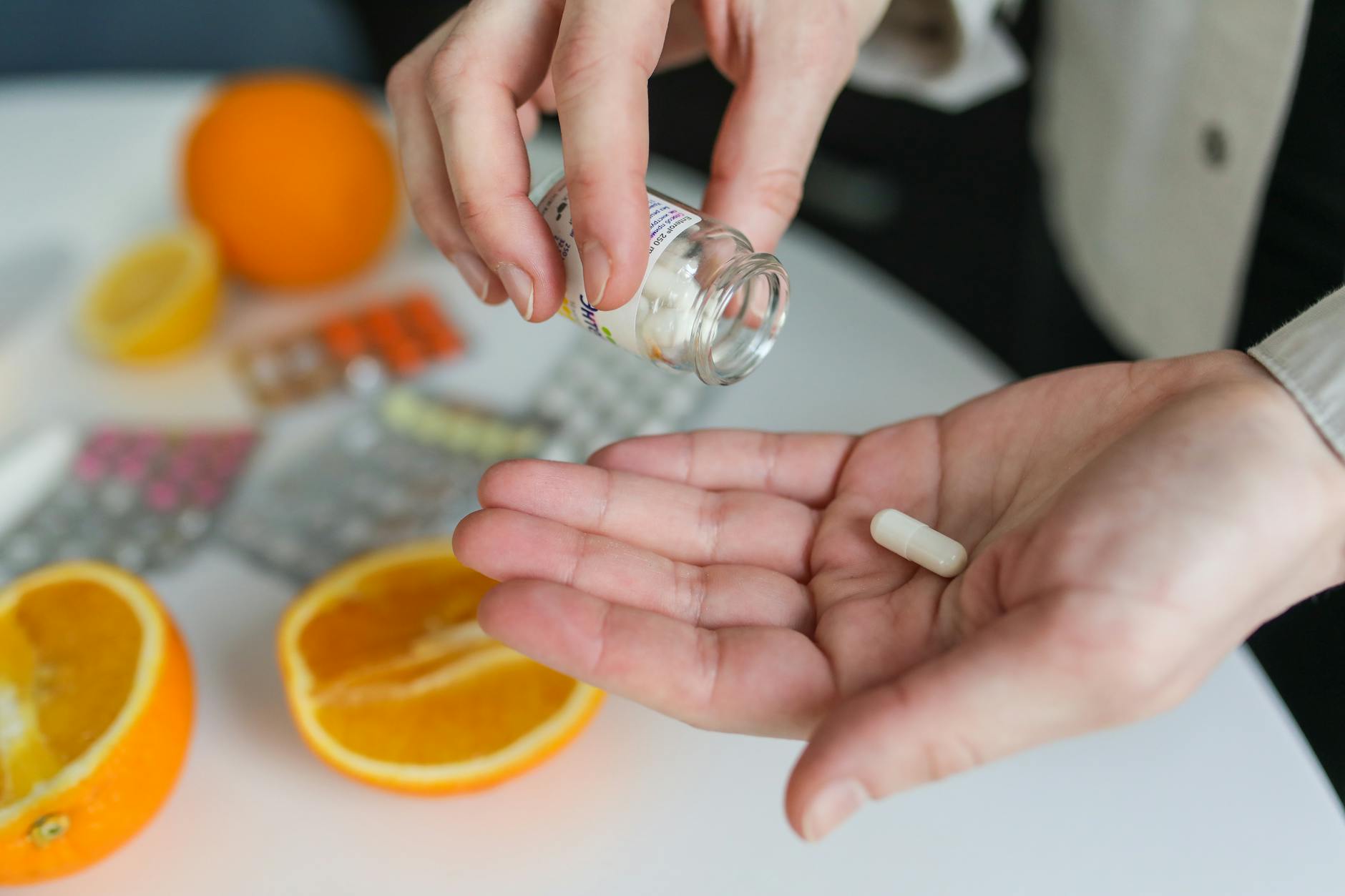
Now that we’ve covered stocking up on essential supplies, let’s focus on another crucial aspect of surviving a virus outbreak: boosting our immune system. While having the right supplies is important, strengthening our body’s natural defenses is equally vital in our fight against infectious diseases.
A. Incorporate immune-boosting foods
We can’t stress enough the importance of a balanced diet in enhancing our immune function. The research by Nizam Uddin and colleagues highlights that consuming fruits, vegetables, and whole grains is key to bolstering our immune system. These foods provide essential nutrients that support our body’s defense mechanisms. Let’s break down some specific recommendations:
| Food Group | Benefits |
|---|---|
| Fruits and Vegetables | Rich in vitamins and antioxidants |
| Whole Grains | Provide fiber and complex carbohydrates |
| Lean Proteins | Support immune cell production |
It’s equally important to reduce our intake of salt, sugar, and saturated fats, as these can negatively impact our immune response.
B. Stay hydrated
While the reference content doesn’t explicitly mention hydration, it’s closely tied to maintaining a balanced diet. Proper hydration supports our overall health and helps our body function optimally, including our immune system.
C. Get enough sleep
The article emphasizes the importance of adequate sleep in maintaining a strong immune system. During sleep, our body repairs and regenerates, which is crucial for immune function. We should aim for 7-9 hours of quality sleep each night to support our immune health.
D. Exercise regularly
Physical activity plays a significant role in enhancing our immune responses. The authors advocate for regular exercise, especially considering the sedentary lifestyle many have adopted during lockdowns. Here are some benefits of exercise for our immune system:
- Improves circulation of immune cells
- Reduces inflammation
- Enhances overall health and well-being
Even with social distancing measures in place, we can find ways to stay active at home or in open spaces while maintaining safety protocols.
E. Manage stress levels
Stress management is a critical component of immune health that we often overlook. The research emphasizes the need for effective stress management techniques as part of a holistic approach to health during the pandemic. Some strategies we can employ include:
- Meditation
- Deep breathing exercises
- Engaging in hobbies
- Maintaining social connections (virtually if necessary)
By managing our stress levels, we can help prevent the negative impacts of chronic stress on our immune function.
It’s important to note that while these lifestyle interventions can significantly boost our immune system, they should be seen as complementary to, not replacements for, other preventive measures like vaccination. The research indicates that the SARS-CoV-2 virus’s ability to mutate poses risks to vaccine efficacy, making a multi-faceted approach to immune health even more crucial.
Moreover, the concept of immune imprinting, or “original antigenic sin,” underscores the complexity of our immune responses. While our initial encounters with viruses can shape our future immune reactions, maintaining a robust immune system through these lifestyle factors can help us respond more effectively to new variants and other health challenges.
As we move forward in our survival guide, we’ll explore how implementing strict hygiene practices can further protect us from viral threats. These practices, combined with a strong immune system, form a powerful defense against infectious diseases.
Implement Strict Hygiene Practices
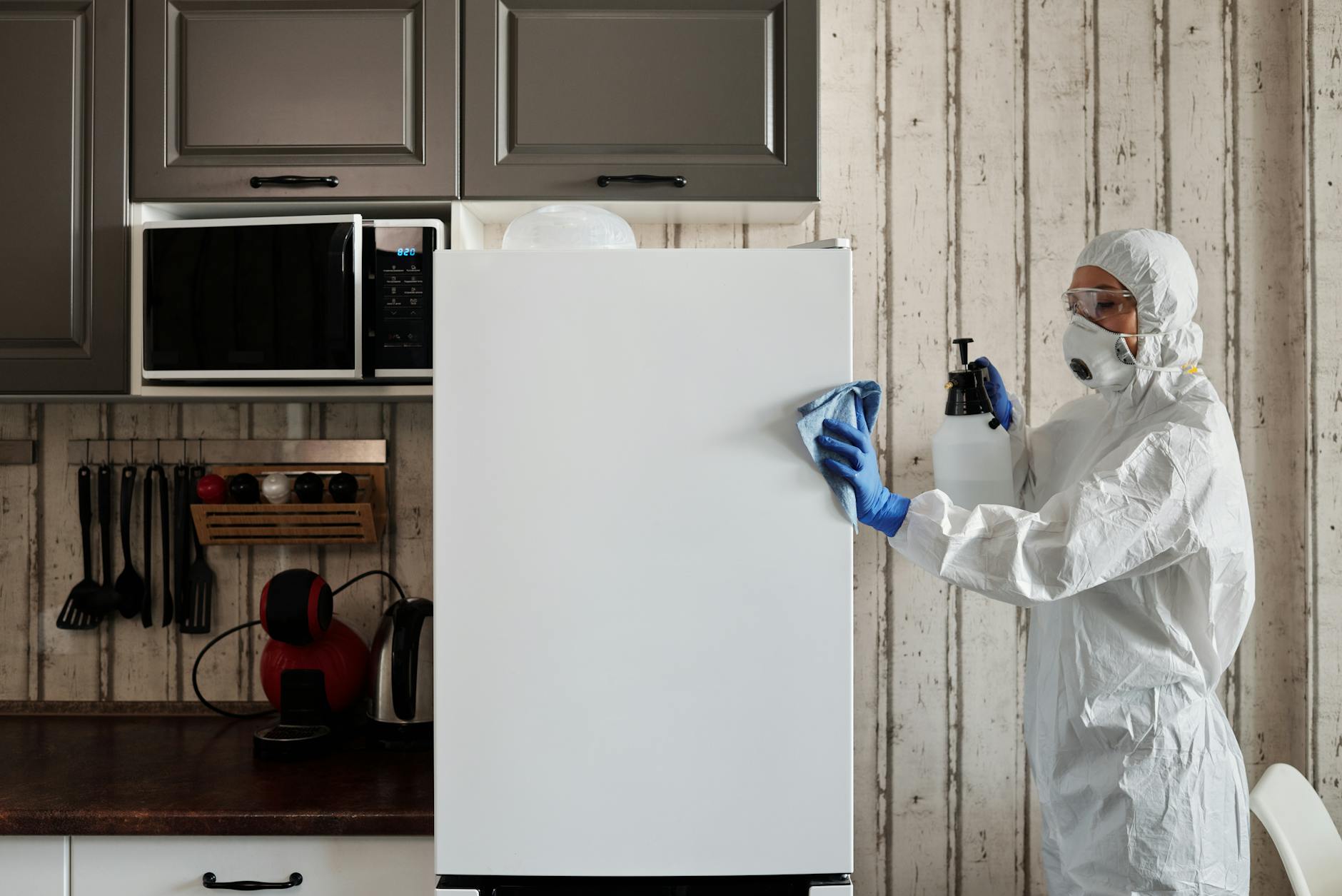
Now that we’ve covered how to boost our immune system, let’s dive into implementing strict hygiene practices to further protect ourselves during this virus meltdown.
A. Master proper handwashing technique
We can’t stress enough the importance of proper handwashing. It’s our first line of defense against the spread of infections. Here’s how we can master this essential skill:
- Wet our hands with clean water (warm or cold)
- Apply soap and lather thoroughly
- Scrub for at least 20-30 seconds, covering all surfaces
- Rinse well under running water
- Dry hands using a clean towel or air dry
Remember, we should wash our hands frequently, especially after using the restroom, sneezing, or before handling food. Both cold and warm water are effective when used with soap, so temperature isn’t as crucial as technique.
B. Use hand sanitizers effectively
When soap and water aren’t available, hand sanitizers are our next best option. Here’s what we need to know:
- Choose a sanitizer with at least 60% alcohol content
- Apply enough to cover all surfaces of our hands
- Rub hands together until they feel dry (about 20 seconds)
| Sanitizer Type | Alcohol Content | Effectiveness |
|---|---|---|
| Recommended | 60% or higher | High |
| Not recommended | Less than 60% | Low |
C. Disinfect high-touch surfaces
We must pay special attention to surfaces we frequently touch. Here’s our guide to effective disinfection:
- Clean surfaces with soap and water first
- Apply a disinfectant (70% alcohol or bleach-based)
- Ensure the disinfectant remains wet on the surface for several minutes
- Focus on high-touch areas like doorknobs, light switches, and electronic devices
Note: Vinegar and other natural products aren’t effective against viruses, so we should stick to alcohol or bleach-based disinfectants.
D. Learn to make DIY cleaning solutions
When commercial products are scarce, we can create our own effective cleaning solutions:
- Bleach solution: Mix 5 tablespoons (1/3 cup) bleach per gallon of water
- Alcohol solution: Ensure it contains at least 70% alcohol
Remember to:
- Wear gloves when using these solutions
- Never mix cleaning products
- Ensure proper ventilation when using strong cleaners
In our laundry practices, we should:
- Avoid shaking dirty clothes to prevent airborne virus spread
- Wash sheets and towels regularly using the warmest appropriate water setting
- Use disposable gloves and maintain distance when using public laundry facilities
When handling food, although there’s no current evidence of COVID-19 transmission through food, we should still practice good hygiene:
- Remove unnecessary packaging
- Clean food containers
- Thoroughly wash produce
- Wash hands before food preparation
- Use separate utensils for raw meat and fish
By implementing these strict hygiene practices, we’re taking crucial steps to protect ourselves and others during this pandemic. With these habits in place, we’re better prepared to adapt to social distancing, which we’ll explore in our next section.
Adapt to Social Distancing
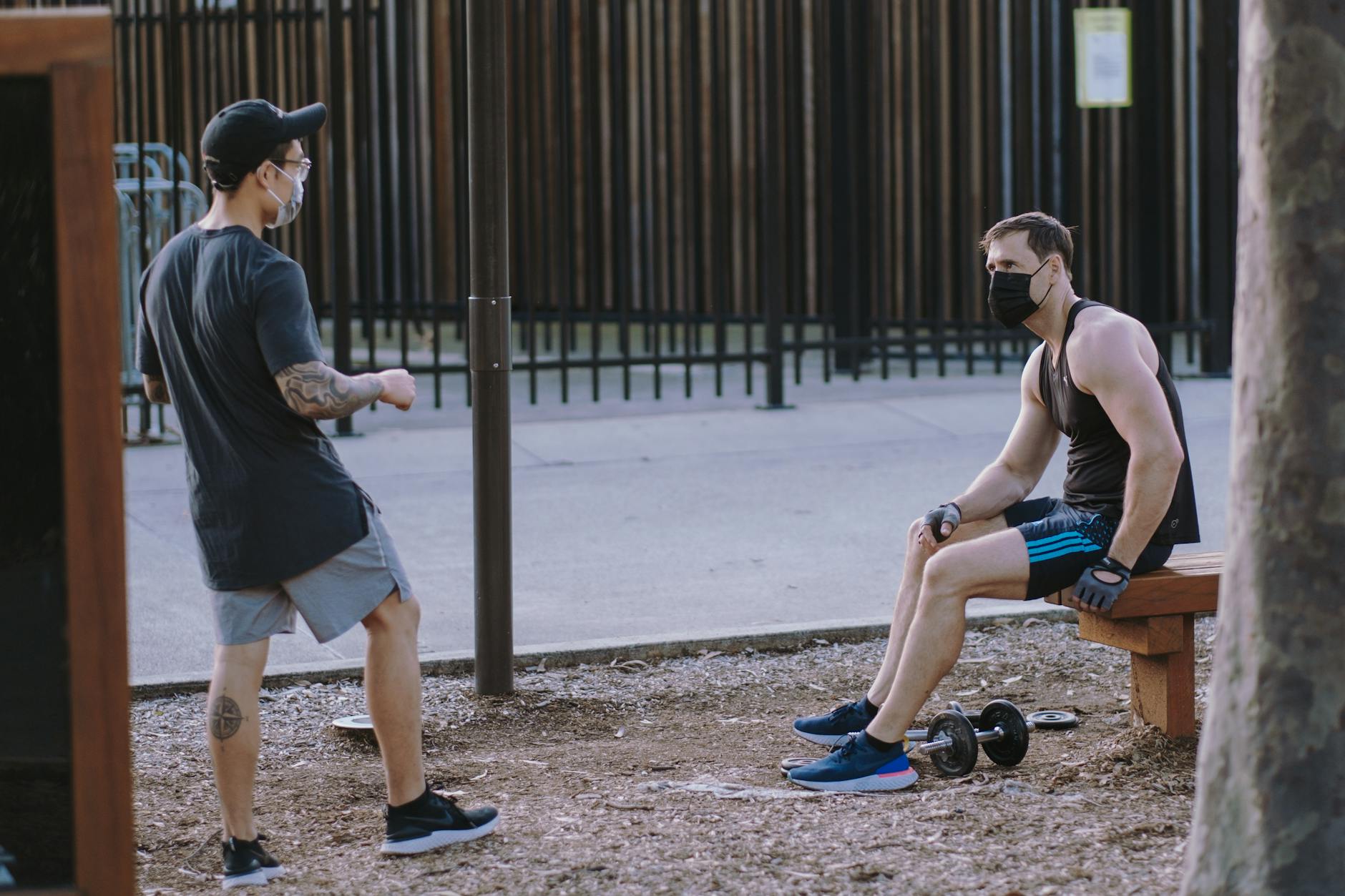
Now that we’ve covered the importance of implementing strict hygiene practices, let’s explore how we can adapt to social distancing, a crucial aspect of staying safe during this virus meltdown.
Set up a functional home office
As we navigate through these challenging times, many of us find ourselves working from home. To maintain productivity and well-being, it’s essential to create a dedicated workspace. We recommend:
- Choosing a quiet area with good lighting
- Investing in ergonomic furniture to support proper posture
- Ensuring a stable internet connection for seamless virtual meetings
By setting up a functional home office, we can maintain a sense of routine and separation between work and personal life.
Explore virtual socializing options
While physical distancing is necessary, it doesn’t mean we have to be socially isolated. We’ve discovered numerous ways to stay connected with our loved ones:
- Virtual happy hours with friends and family
- Online group fitness classes to stay active together
- Video chat platforms for face-to-face conversations
- Group chats for daily check-ins and support
These virtual socializing options help us combat feelings of loneliness and maintain our mental well-being during this period of isolation.
Find creative indoor entertainment
Staying at home doesn’t have to be boring. We’ve found several engaging activities to keep ourselves entertained:
| Activity | Benefits |
|---|---|
| Language learning | Engages the mind, prepares for future travel |
| Reading e-books | Expands knowledge, provides escapism |
| Brain games | Stimulates cognitive function, offers social interaction |
| Cooking shows | Inspires culinary skills, supports local businesses |
By exploring these indoor entertainment options, we can keep our minds active and spirits high during this challenging time.
Develop new hobbies
This period of social distancing presents an opportunity for personal growth and skill development. We’ve discovered several hobbies that can be pursued from the comfort of our homes:
- Meditation and mindfulness practices
- Podcasting or listening to diverse podcast topics
- Cooking and experimenting with new recipes
- DIY projects and crafts
Engaging in these activities not only helps pass the time but also contributes to our personal development and sense of accomplishment.
As we adapt to social distancing, it’s crucial to remember that our actions impact not just ourselves but our entire community. By following these guidelines and exploring new ways to connect and grow, we’re not only protecting our own well-being but also contributing to the collective effort to overcome this virus meltdown.
With these social distancing strategies in mind, we’ll next explore how to stay informed and prepared, ensuring we’re always one step ahead in our survival efforts during this challenging time.
Stay Informed and Prepared

Now that we’ve covered how to adapt to social distancing, let’s focus on staying informed and prepared during this challenging time. Remaining up-to-date with accurate information is crucial for navigating the pandemic effectively.
Follow reliable news sources
In the age of misinformation, it’s essential to rely on trustworthy sources for COVID-19 updates. We recommend:
- Centers for Disease Control and Prevention (CDC): Offers comprehensive updates on the virus, vaccination details, and case tracking.
- World Health Organization (WHO): Provides a global perspective and essential guidelines on protective measures.
- Local health departments: For instance, the Los Angeles County Department of Public Health (LADPH) offers resources on health orders and local guidance.
Major newspapers like the Los Angeles Times, The New York Times, and The Washington Post have made their COVID-19 coverage freely accessible. These sources feature regular updates on the virus and vaccination efforts.
Understand local guidelines and restrictions
Local regulations can change rapidly based on the current situation. We need to:
- Regularly check our local health department’s website for the most up-to-date information.
- Pay attention to any changes in health orders, travel advisories, and guidance for schools and workplaces.
- Understand that different areas may have varying restrictions, so stay informed about the specific rules in our locality.
Create an emergency contact list
Having essential contacts readily available is crucial during a pandemic. We suggest creating a list that includes:
| Contact Type | Examples |
|---|---|
| Medical | Primary care physician, local hospital, pharmacy |
| Family | Immediate family members, emergency contacts |
| Community | Neighbors, local support groups |
| Official | Local health department, emergency services |
Keep this list in both digital and physical formats for easy access during emergencies.
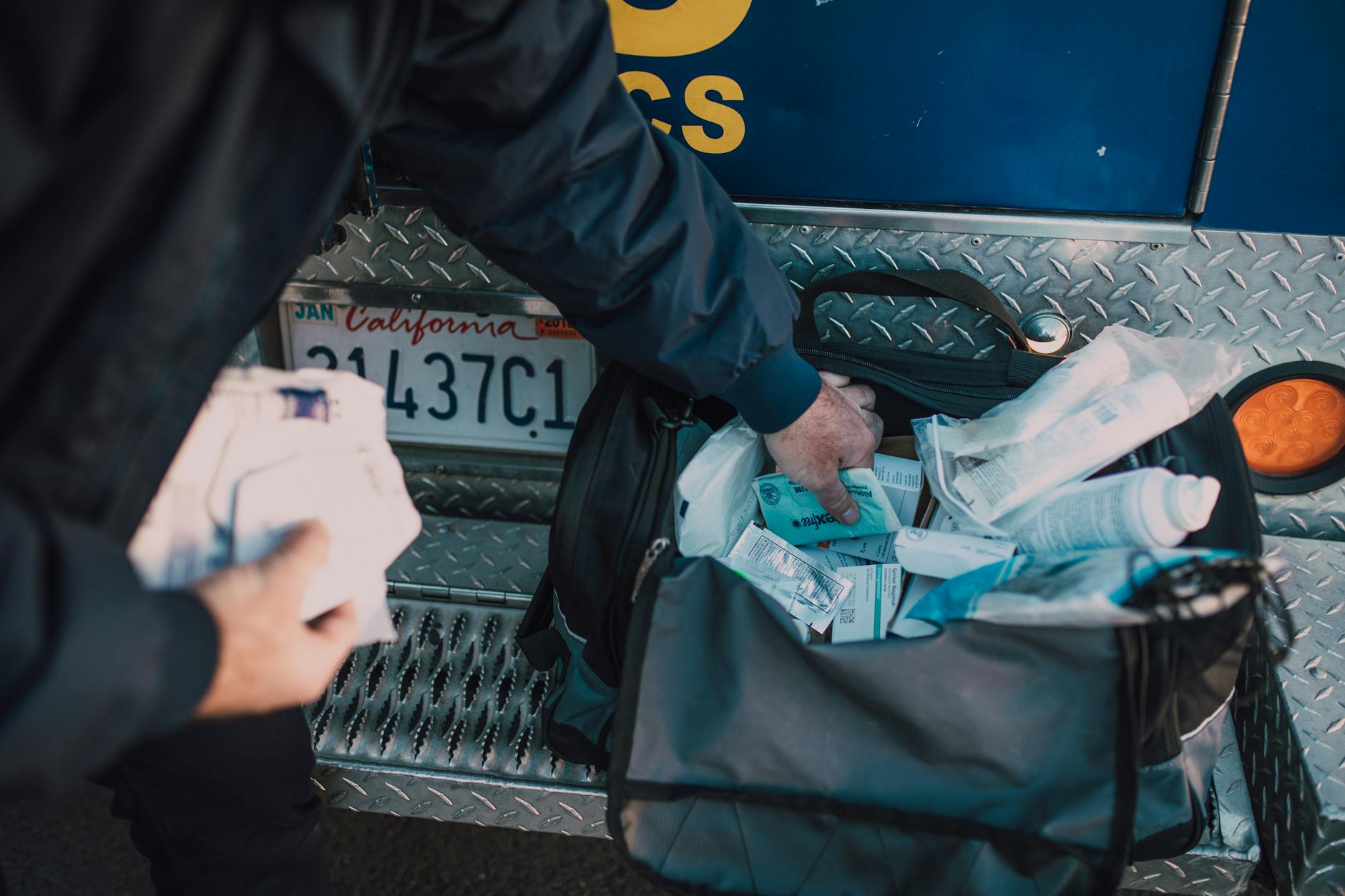
Prepare a “go bag” for unexpected situations
While we hope to avoid emergencies, it’s wise to be prepared. A “go bag” should contain:
- Essential medications and prescriptions
- Important documents (ID, insurance information, medical records)
- Personal hygiene items
- Non-perishable food and water
- Extra clothing and face masks
- Portable charger for electronic devices
Regularly update the contents of the go bag to ensure everything remains current and usable.
By staying informed and prepared, we can better protect ourselves and our communities during this pandemic. Remember, knowledge is power, especially when it comes to navigating a health crisis. We must remain vigilant, adaptable, and proactive in our approach to staying safe and healthy.
It’s also worth noting that the pandemic has disproportionately affected certain communities. For instance, the CDC has reported significant health disparities impacting African-Americans and Hispanic Americans. Initiatives like COVID Black aim to combat these disparities through data-driven approaches and community engagement. As we stay informed, we should also be aware of these broader societal impacts and support efforts to address health inequities.
Lastly, while it’s crucial to stay informed, we must also be mindful of our mental health. Constant exposure to pandemic news can be overwhelming. We recommend setting boundaries for news consumption and balancing it with other activities that promote well-being. By staying informed responsibly and preparing adequately, we can navigate this challenging period with resilience and hope.
As we navigate through these challenging times, implementing these five survival hacks can significantly boost our resilience and safety. From stocking up on essentials to staying informed, each step plays a crucial role in our overall preparedness. By focusing on immune system support, strict hygiene practices, and adapting to social distancing, we’re not just protecting ourselves but also contributing to the collective effort to overcome this crisis.
Remember, our survival toolkit isn’t just about physical supplies—it’s about knowledge, adaptability, and community support. We encourage you to share these tips with your loved ones and continue to stay vigilant. Together, we can weather this storm and emerge stronger. Stay safe, stay prepared, and let’s look out for one another during this unprecedented time.


Nice..