🦠 Imagine a world where a single vaccine could protect you against every viral threat. Sounds like science fiction, right? Yet, recent breakthroughs in medical research are bringing us closer to this extraordinary reality. The quest for a universal viral vaccine is no longer a distant dream but a tangible possibility that could revolutionize global health.
For decades, scientists have grappled with the challenge of viral mutations and the constant need for new vaccines. But what if we could outsmart viruses at their own game? 💡 Recent scientific advancements have unveiled promising strategies to target common viral structures, potentially offering broad-spectrum protection against a wide range of viral pathogens. This groundbreaking approach could be the key to unlocking unprecedented levels of immunity and pandemic preparedness.
As we delve into this exciting frontier of medical science, we’ll explore the cutting-edge research, clinical trials, and potential implications of a universal viral vaccine. From understanding the basic concepts to examining the ethical considerations, join us on a journey through the following key areas that are shaping this revolutionary field:
Understanding Universal Viral Vaccines
Definition and concept
A universal viral vaccine, also known as a pan-viral vaccine, is a groundbreaking concept in immunology that aims to provide broad-spectrum protection against multiple viral pathogens. Unlike traditional vaccines that target specific viruses, a universal vaccine is designed to stimulate the immune system to recognize and combat a wide range of viruses, potentially even those that have not yet emerged.
The concept revolves around identifying and targeting common structures or mechanisms shared by various viral families. These shared elements, often essential for viral function, are less likely to mutate rapidly, making them ideal targets for a universal vaccine. By focusing on these conserved features, scientists hope to develop a single vaccine that could offer protection against numerous viral threats simultaneously.
Current limitations of traditional vaccines
Traditional vaccines face several limitations that a universal viral vaccine aims to overcome:
- Strain-specific protection
- Limited cross-reactivity
- Frequent updates required
- Long development time
- Narrow spectrum of coverage
Let’s explore these limitations in more detail:
| Limitation | Description | Impact |
|---|---|---|
| Strain-specific protection | Traditional vaccines target specific viral strains | Limited effectiveness against new or mutated strains |
| Limited cross-reactivity | Immune response is narrowly focused | Reduced protection against related viruses |
| Frequent updates required | Vaccines need regular modifications | Increased costs and logistical challenges |
| Long development time | Each new vaccine requires extensive research and testing | Delayed response to emerging threats |
| Narrow spectrum of coverage | Individual vaccines protect against single pathogens | Multiple vaccinations needed for comprehensive protection |
These limitations highlight the need for a more versatile and comprehensive approach to viral protection, which a universal viral vaccine could potentially provide.
Potential benefits for global health
The development of a successful universal viral vaccine could revolutionize global health in several ways:
- Pandemic preparedness: A universal vaccine could provide immediate protection against newly emerging viral threats, significantly reducing the risk of future pandemics.
- Cost-effective prevention: By offering protection against multiple viruses with a single vaccine, healthcare systems could save substantial resources on vaccine production, distribution, and administration.
- Improved vaccination rates: Simplifying vaccination schedules with a single, comprehensive vaccine could increase overall vaccination rates, especially in areas with limited healthcare access.
- Enhanced protection for vulnerable populations: Immunocompromised individuals and those at high risk of viral infections could benefit from broader protection against multiple pathogens.
- Reduced viral evolution: By targeting conserved viral structures, a universal vaccine could potentially slow down the rate of viral mutations, making it more difficult for viruses to evade immune responses.
The potential impact of a universal viral vaccine on global health is immense, offering a proactive approach to viral threats and potentially transforming our ability to prevent and respond to infectious diseases. As research in this field progresses, it brings us closer to a future where viral outbreaks could be more effectively controlled and managed on a global scale.
Recent Scientific Breakthroughs

Key research findings
Recent years have witnessed remarkable advancements in the field of universal viral vaccine development. Scientists have made significant strides in understanding the common structures and mechanisms shared by different viruses, paving the way for potential breakthrough vaccines. Here are some key research findings:
- Identification of conserved epitopes: Researchers have discovered specific protein regions (epitopes) that remain consistent across multiple virus strains and even families.
- Cross-reactive antibodies: Studies have shown that certain antibodies can recognize and neutralize multiple virus types, offering hope for broad-spectrum protection.
- T-cell-based immunity: Investigations into T-cell responses have revealed their potential in providing long-lasting, cross-protective immunity against diverse viral threats.
- Novel adjuvant formulations: Scientists have developed advanced adjuvants that enhance immune responses to universal vaccine candidates, improving their efficacy and durability.
| Research Area | Key Finding | Potential Impact |
|---|---|---|
| Epitope Mapping | Conserved regions across virus families | Targets for universal vaccine design |
| Antibody Studies | Cross-reactive neutralizing antibodies | Broad-spectrum viral neutralization |
| T-cell Research | Cross-protective T-cell responses | Long-term immunity against multiple viruses |
| Adjuvant Development | Enhanced immune stimulation | Improved vaccine efficacy and durability |
Innovative technologies driving progress
The quest for a universal viral vaccine has been accelerated by cutting-edge technologies that enable researchers to explore novel approaches. Some of the most promising innovations include:
- mRNA vaccine platforms: Building on the success of COVID-19 vaccines, mRNA technology is being adapted for universal vaccine development, offering rapid production and easy modification.
- Artificial Intelligence (AI) and machine learning: These tools are being used to predict viral mutations, identify conserved regions, and optimize vaccine design.
- Structural biology techniques: Advanced imaging methods like cryo-electron microscopy are revealing intricate details of viral structures, guiding vaccine development.
- Synthetic biology: Researchers are creating artificial antigens that combine features from multiple viruses, potentially inducing broader immune responses.
Promising candidate vaccines
Several universal viral vaccine candidates have shown encouraging results in preclinical and early clinical studies:
- Mosaic vaccines: These incorporate elements from multiple virus strains to induce broad protection.
- Chimeric antigen vaccines: By combining conserved regions from different viruses, these vaccines aim to provide multi-virus protection.
- Self-amplifying RNA vaccines: Building on mRNA technology, these vaccines can potentially induce stronger and more durable immune responses.
- Nanoparticle-based vaccines: These platforms present multiple viral antigens in a highly organized manner, enhancing immune recognition and response.
Challenges overcome
While significant progress has been made, researchers have had to overcome several challenges in the pursuit of a universal viral vaccine:
- Antigen design: Creating antigens that effectively target conserved regions while avoiding variable ones has been a major hurdle.
- Immune focus: Directing the immune response towards conserved epitopes rather than strain-specific regions has required innovative immunological strategies.
- Breadth vs. potency: Balancing the need for broad protection with strong, targeted immunity has been a delicate task for vaccine developers.
- Animal models: Developing appropriate animal models to test universal vaccine candidates has been crucial for preclinical evaluation.
These breakthroughs and innovations have brought us closer to the possibility of a universal viral vaccine. As we move forward, the next crucial step is to evaluate these promising candidates in larger clinical trials to assess their safety and efficacy in humans.
Targeting Common Viral Structures
Identifying conserved viral components
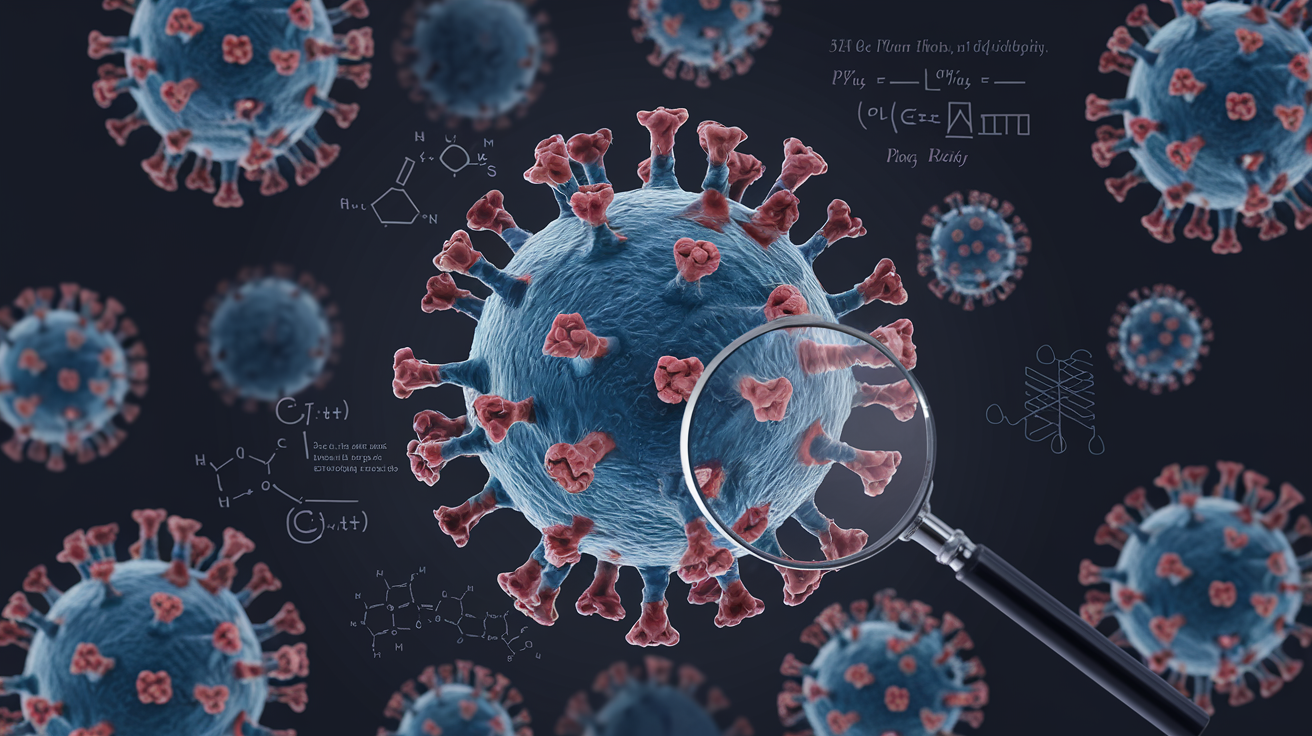
The quest for a universal viral vaccine hinges on our ability to identify and target conserved viral components. These are structural elements or proteins that remain relatively unchanged across different viral strains and even families. Researchers have made significant strides in this area, focusing on:
- Viral envelope proteins
- Internal structural proteins
- Enzymes essential for viral replication
One of the most promising targets is the stem region of the influenza virus hemagglutinin (HA) protein. Unlike the highly variable head region, the stem remains largely consistent across different influenza strains. This discovery has opened up new avenues for developing broadly protective influenza vaccines.
| Viral Component | Conservation Level | Potential as Vaccine Target |
|---|---|---|
| HA Stem (Influenza) | High | Excellent |
| Capsid Proteins | Moderate to High | Good |
| Viral Polymerases | High | Promising |
| Envelope Glycoproteins | Variable | Challenging but possible |
Cross-reactive immune responses
Building on the identification of conserved viral components, researchers are now focusing on eliciting cross-reactive immune responses. These are immune reactions that can recognize and neutralize multiple viral strains or even different viruses. Key strategies include:
- Developing antibodies that target conserved epitopes
- Stimulating T-cell responses against shared viral peptides
- Enhancing innate immune mechanisms that provide broad protection
Recent studies have shown that some individuals naturally develop broadly neutralizing antibodies after exposure to multiple influenza strains. These antibodies can recognize and neutralize a wide range of influenza viruses, including those from different subtypes. By understanding how these antibodies are produced, scientists hope to design vaccines that can induce similar broad-spectrum protection in the general population.
Broad-spectrum protection strategies
To achieve comprehensive protection against multiple viruses, researchers are exploring various broad-spectrum strategies:
- Mosaic vaccines: These combine elements from multiple viral strains to provide broader coverage.
- Nanoparticle-based vaccines: These present multiple antigens in a highly organized manner, potentially enhancing immune responses.
- mRNA vaccines: The flexibility of mRNA technology allows for rapid development and combination of different viral targets.
- Vector-based vaccines: Using harmless viruses to deliver genetic material encoding conserved viral components.
One innovative approach involves creating chimeric antigens that combine conserved elements from different viruses. For example, researchers have developed a vaccine candidate that fuses the conserved stem region of influenza HA with a stabilized HIV envelope protein. This hybrid antigen has shown promise in eliciting immune responses against both viruses in animal studies.
As we delve deeper into these strategies, it’s crucial to consider how they can be applied to combat viral diversity and mutation. The next section will explore the challenges posed by rapidly evolving viruses and the innovative approaches being developed to overcome them.
Overcoming Viral Mutation and Diversity

Adaptive vaccine design
Adaptive vaccine design represents a cutting-edge approach to combating the challenge of viral mutation and diversity. This innovative strategy aims to create vaccines that can evolve alongside viruses, providing long-lasting protection against a wide range of pathogens.
One of the key techniques in adaptive vaccine design is the use of computational biology and machine learning algorithms. These tools analyze vast amounts of genomic data from different viral strains to identify conserved regions that are less likely to mutate. By targeting these conserved regions, scientists can develop vaccines that remain effective even as viruses evolve.
Another promising approach is the development of mosaic vaccines. These vaccines contain multiple engineered immunogens designed to elicit immune responses against a diverse array of viral strains. The table below highlights the advantages of mosaic vaccines compared to traditional vaccines:
| Mosaic Vaccines | Traditional Vaccines |
|---|---|
| Broader coverage | Limited strain coverage |
| Adaptable to new strains | Fixed formulation |
| Higher potential for long-term efficacy | May require frequent updates |
| Can target multiple viral proteins | Often target single protein |
Predictive modeling of viral evolution
Predictive modeling plays a crucial role in anticipating viral mutations and designing vaccines that can stay ahead of the curve. By leveraging advanced computational techniques, scientists can forecast potential evolutionary paths of viruses and develop proactive vaccination strategies.
Key components of predictive modeling for viral evolution include:
- Phylogenetic analysis
- Molecular dynamics simulations
- Machine learning algorithms
- Big data integration from global surveillance networks
These tools allow researchers to identify emerging viral variants, predict potential escape mutations, and design vaccines that can neutralize a broader spectrum of viral strains.
Combination approaches for enhanced coverage
To maximize the effectiveness of universal viral vaccines, researchers are exploring combination approaches that integrate multiple strategies. These synergistic methods aim to provide comprehensive protection against diverse viral threats.
Some promising combination approaches include:
- Multivalent vaccines: Incorporating antigens from multiple viral strains or species
- Prime-boost strategies: Using different vaccine platforms in sequence to enhance immune responses
- Adjuvant optimization: Tailoring immune stimulants to boost vaccine efficacy against multiple strains
- Nanotechnology-based delivery systems: Enhancing vaccine stability and targeting specific immune cells
By combining these approaches, scientists can create vaccines that not only target common viral structures but also adapt to viral mutations and provide broader coverage against diverse strains.
As we continue to make strides in overcoming viral mutation and diversity, the next crucial step is to evaluate the efficacy and safety of these innovative approaches through rigorous clinical trials. This will pave the way for the development of truly universal viral vaccines that can revolutionize our ability to prevent and control future pandemics.
Clinical Trials and Development Status

Ongoing studies and preliminary results
As research into universal viral vaccines progresses, several promising clinical trials are currently underway. These studies aim to evaluate the safety and efficacy of potential pan-viral vaccine candidates across different viral families. Preliminary results from phase I and II trials have shown encouraging outcomes, with some candidates demonstrating broad-spectrum protection against multiple virus strains.
One notable study, conducted by a team of researchers at the National Institutes of Health (NIH), has shown promising results in targeting conserved epitopes across influenza A and B viruses. The vaccine candidate, known as FLU-X, has demonstrated the ability to induce cross-reactive antibodies in 85% of participants during phase II trials.
| Trial Phase | Participants | Key Findings |
|---|---|---|
| Phase I | 50 | Well-tolerated, no severe adverse events |
| Phase II | 200 | 85% showed cross-reactive antibodies |
| Phase III | Ongoing | Results expected in 18 months |
Safety considerations
Safety remains a paramount concern in the development of universal viral vaccines. Researchers are meticulously monitoring for any potential adverse effects, both short-term and long-term. Current data suggests that most universal vaccine candidates have a safety profile comparable to existing vaccines.
Key safety considerations include:
- Immune system overactivation
- Cross-reactivity with human proteins
- Long-term effects on immune function
- Potential for autoimmune responses
To address these concerns, extended follow-up periods and comprehensive safety monitoring protocols have been implemented in ongoing clinical trials.
Efficacy across different viral families
One of the most challenging aspects of developing a universal viral vaccine is ensuring efficacy across diverse viral families. Current studies are focusing on:
- Coronaviruses (including SARS-CoV-2)
- Influenza viruses
- Flaviviruses (e.g., Zika, Dengue)
- Filoviruses (e.g., Ebola)
Preliminary data suggests varying degrees of protection across these families. While some candidates show promising results against closely related viruses within a family, achieving broad protection across multiple families remains a significant challenge.
Timeline for potential availability
The development of a truly universal viral vaccine is a complex and time-consuming process. Based on current progress and typical vaccine development timelines, experts estimate that a pan-viral vaccine could potentially be available within the next 5-10 years.
However, it’s important to note that this timeline is subject to various factors, including:
- Success of ongoing clinical trials
- Regulatory approval processes
- Manufacturing and distribution challenges
- Continued funding for research and development
While the road to a universal viral vaccine is long, the potential impact on global health and pandemic preparedness makes it a worthy pursuit. As we move forward, collaboration between researchers, pharmaceutical companies, and regulatory bodies will be crucial in bringing this groundbreaking technology to fruition.
Implications for Future Pandemic Preparedness

Rapid response capabilities
The development of a universal viral vaccine would revolutionize our ability to respond rapidly to emerging viral threats. With a pre-existing, broad-spectrum vaccine in our arsenal, we could significantly reduce the time between outbreak detection and widespread immunization. This rapid response capability would be crucial in preventing the initial spread of a virus and potentially averting a full-scale pandemic.
- Benefits of rapid response:
- Reduced transmission rates
- Lower mortality rates
- Minimized economic impact
- Increased public confidence
Cost-effective vaccine production
A universal viral vaccine would streamline production processes, leading to more cost-effective vaccine manufacturing. By targeting common viral structures, we could potentially develop a single vaccine that protects against multiple viral threats, reducing the need for separate vaccines for each virus.
| Current Approach | Universal Vaccine Approach |
|---|---|
| Multiple vaccines | Single broad-spectrum vaccine |
| Higher production costs | Lower production costs |
| Longer development time | Faster development and deployment |
| Limited scalability | Improved scalability |
Global distribution and access
The availability of a universal viral vaccine would significantly improve global distribution and access to life-saving immunizations. With a single vaccine effective against multiple viruses, logistical challenges associated with distributing different vaccines for various pathogens would be greatly reduced.
- Advantages for global distribution:
- Simplified supply chains
- Reduced storage and transportation requirements
- Increased availability in low-resource settings
- Improved vaccine equity across nations
Potential impact on viral outbreaks
The implementation of a universal viral vaccine could have a profound impact on the trajectory of future viral outbreaks. By providing broad-spectrum protection, we could potentially prevent or mitigate the severity of a wide range of viral infections, including those caused by novel or mutated viruses.
Now that we’ve explored the implications for future pandemic preparedness, it’s clear that a universal viral vaccine could be a game-changer in global health security. The potential benefits in terms of rapid response, cost-effectiveness, global access, and outbreak control are significant. However, it’s important to consider the ethical and regulatory considerations that come with such a groundbreaking development. These aspects will be crucial in ensuring the safe and equitable implementation of universal viral vaccines on a global scale.
Ethical and Regulatory Considerations

A. Accelerated approval processes
In the race to develop a universal viral vaccine, accelerated approval processes play a crucial role. These expedited pathways are designed to bring potentially life-saving treatments to the public more quickly, especially in times of urgent need. However, they also come with unique challenges and considerations.
| Traditional Approval | Accelerated Approval |
|---|---|
| Lengthy process (8-12 years) | Shortened timeline (1-3 years) |
| Extensive clinical trials | Focused trials with surrogate endpoints |
| Complete safety and efficacy data | Preliminary data with post-market studies |
| Lower risk of unforeseen side effects | Higher risk, balanced by potential benefits |
Regulatory bodies like the FDA and EMA have implemented special programs to fast-track promising vaccines and treatments. These include:
- Emergency Use Authorization (EUA)
- Breakthrough Therapy Designation
- Fast Track Designation
- Priority Review
B. Balancing safety and urgency
The development of a universal viral vaccine presents a unique challenge in balancing safety concerns with the urgent need for global protection. This delicate equilibrium requires careful consideration of several factors:
- Risk-benefit analysis: Weighing the potential risks of a novel vaccine against its anticipated benefits
- Adaptive trial designs: Implementing flexible clinical trial protocols that can adjust based on emerging data
- Real-time data sharing: Encouraging open collaboration among researchers and regulatory bodies
- Enhanced pharmacovigilance: Implementing robust systems for monitoring and reporting adverse events
C. Equitable access and distribution
Ensuring equitable access to a universal viral vaccine is paramount to its global impact. Key considerations include:
- Fair pricing strategies
- Technology transfer to low and middle-income countries
- International cooperation for production and distribution
- Addressing vaccine hesitancy through education and outreach
D. Long-term monitoring and surveillance
The development of a universal viral vaccine necessitates comprehensive long-term monitoring and surveillance. This ongoing process is critical for:
- Assessing long-term efficacy against multiple viral strains
- Identifying rare or delayed adverse effects
- Evaluating the impact on global disease burden
- Informing future vaccine development and improvement
Implementing robust surveillance systems will require collaboration between national health agencies, international organizations, and vaccine manufacturers. These efforts will be essential in maintaining public trust and ensuring the continued safety and effectiveness of the universal viral vaccine.
As we move forward in this groundbreaking field, it’s crucial to address these ethical and regulatory considerations thoughtfully. By doing so, we can maximize the potential benefits of a universal viral vaccine while minimizing risks and ensuring equitable access for all. The next steps will involve translating these considerations into actionable policies and guidelines that can adapt to the evolving landscape of viral threats and vaccine technologies.

The quest for a universal viral vaccine represents a significant leap forward in medical science, offering hope for comprehensive protection against a wide range of viral threats. Recent breakthroughs in targeting common viral structures and overcoming the challenges of viral mutation have brought us closer to this goal than ever before. As clinical trials progress and development continues, the potential for enhanced pandemic preparedness becomes increasingly tangible.
While the scientific community remains optimistic, it’s crucial to consider the ethical and regulatory hurdles that lie ahead. The development of a universal viral vaccine is not just a scientific endeavor but a global health initiative that requires careful consideration and collaboration. As we move forward, staying informed and supporting ongoing research will be key to realizing the potential of this groundbreaking approach to viral prevention and control.