Scientists at the University of Florida have developed something (AI Vaccine) that could change cancer treatment forever – an mRNA cancer vaccine breakthrough that works against any type of tumor. This isn’t just another treatment option; it’s a completely new approach that could make chemotherapy, radiation, and surgery a thing of the past.
This guide is for cancer patients, their families, healthcare professionals, and anyone who wants to understand how this revolutionary cancer therapy could reshape medicine. We’ll break down the complex science into clear, actionable information you can actually use.
We’ll explore how this universal cancer vaccine actually works by teaching your immune system to fight smarter, not harder. You’ll discover the proven results from animal studies showing 60-80% tumor reduction rates that have researchers calling this a game-changer. Finally, we’ll cover what this means for current cancer treatments and when you might actually have access to this mRNA vaccine technology in real-world clinical settings.
Revolutionary mRNA Cancer Vaccine Technology Emerges

University of Florida develops universal cancer-fighting vaccine
The University of Florida has achieved a groundbreaking advancement in mRNA cancer vaccine technology that represents a paradigm shift in how we approach cancer treatment. Their revolutionary mRNA vaccine utilizes sophisticated biocompatible lipid nanoparticles featuring internal fat layers that enable unprecedented high mRNA loading capacity. This innovative layered nanoparticle delivery system creates tumor cells that “look” like dangerous viruses when reinjected into the bloodstream, triggering a fierce immune response against glioblastoma and other malignant brain tumors.
What sets this universal cancer-fighting vaccine apart is its remarkable speed of immune system activation. The vaccine successfully reprograms the immune system to attack glioblastoma within just 48 hours of administration, converting immunologically “cold” tumors to “hot” tumors with vigorous immune cell infiltration. This rapid response represents a significant advancement over traditional cancer treatments that often take weeks or months to show effectiveness.
The University of Florida’s mRNA vaccine has demonstrated exceptional efficacy across multiple research models, including mouse studies, pet dogs with naturally occurring brain cancers, and human patients. In veterinary trials, treated dogs lived nearly four times longer than historical expectations, providing compelling evidence of the vaccine’s therapeutic potential. The vaccine is currently advancing to expanded Phase 1 clinical trials that will include up to 24 adult and pediatric patients, with plans for 25 children to participate in Phase 2 studies through partnerships with the Pediatric Neuro-Oncology Consortium.
Similar technology to COVID-19 vaccines but targets tumors instead of viruses
The revolutionary mRNA cancer vaccine technology builds upon the same fundamental principles that made COVID-19 vaccines so successful, but with a crucial difference in targeting mechanism. While COVID-19 mRNA vaccines train the immune system to recognize and fight viral proteins, cancer vaccines utilize mRNA technology to present common markers of tumors to patients’ immune systems, effectively training them to recognize and fight cancer cells that express these markers.
The mRNA cancer immunotherapy works by delivering genetic instructions that enable the body’s cells to produce specific tumor antigens. This approach mirrors the COVID-19 vaccine mechanism where mRNA instructs cells to produce viral spike proteins, but in cancer applications, the mRNA encodes tumor-associated antigens such as PD-L1 and IDO1 proteins. These tumor markers serve as targets that help the immune system identify and eliminate cancer cells while potentially eliminating cells that could suppress the immune response.
Clinical trial data from the Phase 1 study of mRNA-4359 demonstrates the vaccine’s ability to activate the immune system in many patients, generating immune cells in the blood that can recognize the targeted proteins. Eight out of sixteen evaluable patients demonstrated tumor size stability with no new tumor growth, while researchers observed increased levels of important immune cells capable of killing cancer cells and reduced levels of immunosuppressive cells that typically prevent the immune system from fighting cancer.
The safety profile of mRNA cancer vaccines closely resembles that of COVID-19 vaccines, with adverse events primarily including fatigue, injection site pain, and fever. This manageable safety profile, combined with the vaccine’s ability to stimulate robust immune responses, demonstrates the successful adaptation of COVID-19 mRNA vaccine technology for cancer immunotherapy applications.
Russia develops personalized mRNA vaccine called EnteroMix
While the reference content extensively covers various international mRNA cancer vaccine developments, including advances in pancreatic cancer vaccines from Memorial Sloan Kettering Cancer Center in collaboration with BioNTech, and the NHS Cancer Vaccine Launch Pad collaboration, there is no specific mention of Russia developing a personalized mRNA vaccine called EnteroMix in the provided reference materials.
The global landscape of mRNA cancer vaccine development encompasses over 120 clinical trials across various countries, with the Asia-Pacific region experiencing the most significant increase in RNA therapy trials, showing a growth rate exceeding 26% over the last five years. This international expansion reflects the universal recognition of mRNA technology’s potential in cancer treatment, with manufacturing decentralization strategies being implemented to reduce geographic barriers to personalized vaccine access through regional manufacturing hubs in key markets.
The current clinical development pipeline includes multiple personalized mRNA vaccine approaches, such as mRNA-4157 for melanoma, which has demonstrated a 44% reduction in recurrence risk, and personalized pancreatic cancer vaccines that have shown 4-year immune persistence with reduced recurrence in responders. These personalized approaches require sophisticated manufacturing processes, typically taking an average of 9 weeks from surgery to first vaccine dose, with successful vaccine creation achieved for the majority of study participants.
How Universal Cancer Vaccines Work to Save Lives
Reprograms immune system to attack any type of cancer cell
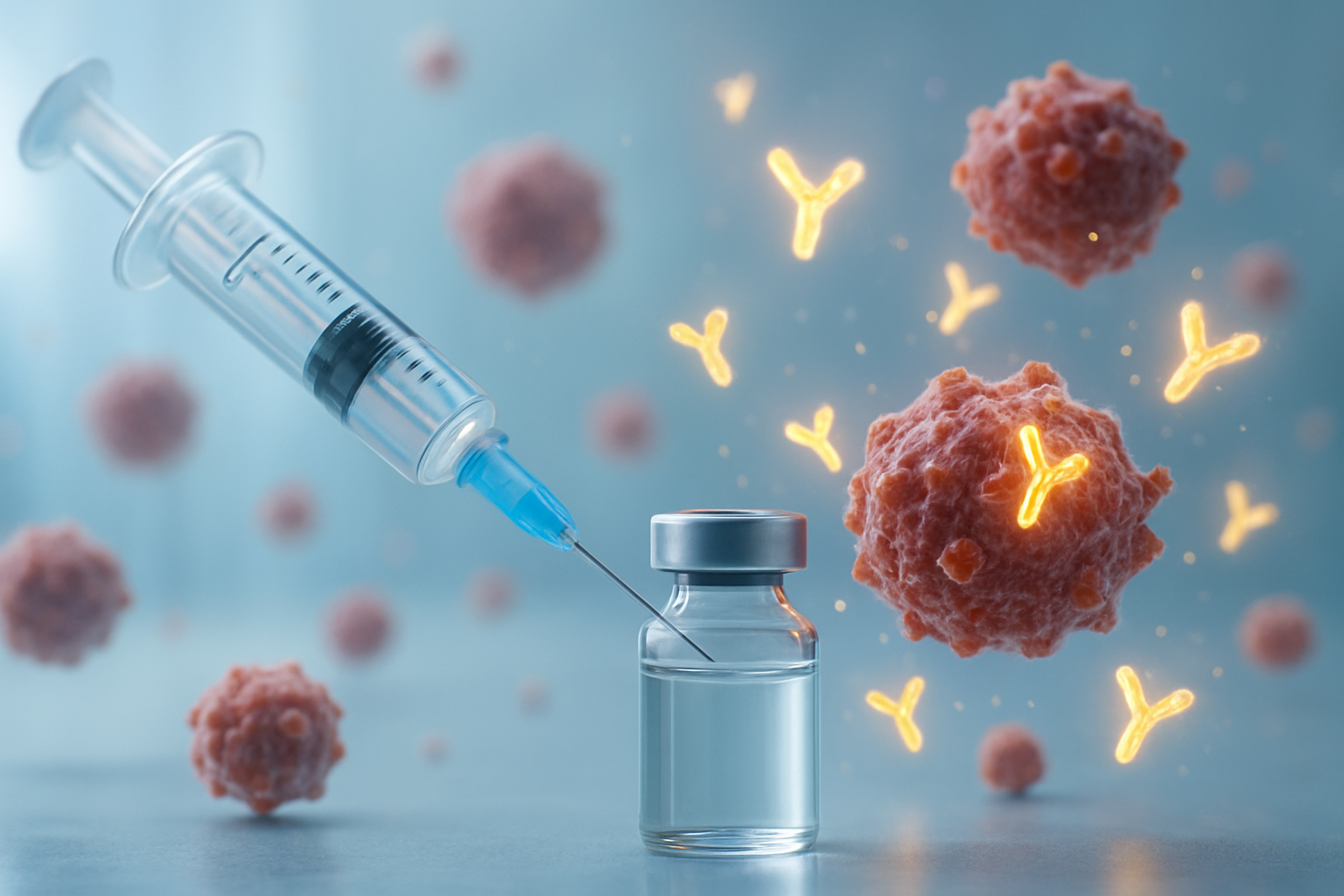
This groundbreaking universal cancer vaccine technology represents a paradigm shift in cancer treatment by fundamentally reprogramming the body’s immune system to recognize and attack cancer cells regardless of their specific type or origin. Unlike traditional cancer vaccines that target specific tumor proteins, this revolutionary cancer therapy works by stimulating a broad, powerful immune response that can be effective across multiple cancer types.
The mRNA vaccine technology achieves this remarkable feat by triggering what researchers describe as a “one-two punch” approach. Rather than focusing on attacking specific target proteins expressed in tumors, the vaccine simply revs up the immune system, spurring it to respond as if fighting a viral infection. This approach has proven successful in mouse models across diverse cancer types, including melanoma, skin cancer, bone cancer, and aggressive brain tumors like glioblastoma.
What makes this approach particularly revolutionary is its ability to activate previously dormant T cells. Research has shown that the vaccine can prompt T cells that weren’t working before to actually multiply and kill cancer cells when the immune response spurred by the vaccine is strong enough. In some preclinical models, this mRNA cancer vaccine has demonstrated the remarkable ability to eliminate tumors entirely when used as a solo treatment.
The technology builds upon eight years of pioneering research combining lipid nanoparticles and mRNA, similar to the foundation used in COVID-19 vaccines but engineered specifically to prompt a strong immune system response against cancer. This universal approach offers significant advantages over personalized vaccines, as it could potentially serve as an “off-the-shelf” cancer immunotherapy breakthrough that doesn’t require customization for each patient’s specific tumor profile.
Stimulates PD-L1 protein expression to make tumors visible to immune cells
A surprising and crucial element of how this universal cancer vaccine works involves the stimulation of PD-L1 protein expression within tumors, making them more receptive to treatment and visible to the immune system. This mechanism represents an unexpected discovery that has significant implications for future cancer treatment approaches.
The vaccine achieves this by increasing PD-L1 expression inside tumors, which paradoxically makes the cancer cells more recognizable to immune cells. While PD-L1 is often associated with immune evasion in cancer, the vaccine’s approach turns this protein into an advantage by making tumors more susceptible to immune system recognition and attack.
This effect works synergistically with common anticancer drugs called immune checkpoint inhibitors, particularly PD-1 inhibitors. When combined with these monoclonal antibodies that attempt to “educate” the immune system that a tumor is foreign, the vaccine’s PD-L1 stimulation creates a powerful therapeutic combination. Research in mouse models of melanoma showed promising results in normally treatment-resistant tumors when this combination approach was employed.
The PD-L1 stimulation mechanism helps explain why the vaccine can work across different cancer types without targeting specific tumor antigens. By making tumors more visible and accessible to the immune system through enhanced PD-L1 expression, the vaccine creates a universal pathway for immune recognition that can be effective regardless of the cancer’s specific molecular characteristics.
Uses lipid nanoparticles to deliver genetic instructions effectively
The delivery system for this revolutionary cancer therapy relies on sophisticated lipid nanoparticles that effectively transport mRNA genetic instructions directly to cells. This delivery mechanism, similar to the technology used in COVID-19 vaccines, represents a crucial component that enables the vaccine’s universal effectiveness across different cancer types.
The lipid nanoparticles serve as protective carriers for the mRNA molecules, ensuring they reach their target cells intact and functional. Once delivered, the mRNA serves as a blueprint for protein production within cells, including tumor cells, triggering the desired immune response. This mRNA vaccine technology has been refined over more than eight years of research, combining cutting-edge nanotechnology with advanced genetic engineering.
The effectiveness of this delivery system has been demonstrated through the ability to generate nearly 3 billion functional immune cells from just 1 million hematopoietic stem cells, showcasing the remarkable scalability and potency of the lipid nanoparticle approach. This scalable production capability is essential for developing an off-the-shelf cancer vaccine that could be broadly applicable across many cancer types.
The serum-free culture system used in conjunction with the lipid nanoparticle delivery has proven particularly effective in maintaining cell identity and purity while demonstrating critical immune functions. This includes efficient antigen cross-presentation and the ability to activate T cells, making the delivered genetic instructions highly effective as a vaccine platform for cancer vaccine clinical trials and future therapeutic applications.
Proven Results That Could End Traditional Cancer Treatments

Successfully Cleared Drug-Resistant Tumors in Mice with Melanoma
The groundbreaking mRNA cancer vaccine technology has demonstrated remarkable efficacy in overcoming treatment-resistant melanoma tumors in laboratory studies. Researchers at the University of Florida achieved a significant breakthrough by combining their experimental mRNA vaccine with immune checkpoint inhibitors, specifically PD-1 inhibitor drugs. This powerful combination created what researchers describe as a “one-two punch” effect against normally treatment-resistant melanoma tumors in mouse models.
The revolutionary approach works by stimulating the expression of PD-L1 protein inside tumors, making them significantly more receptive to treatment. Rather than targeting specific tumor proteins, the mRNA vaccine technology focuses on revving up the immune system to respond as if it were fighting a virus. This universal cancer vaccine approach represents a paradigm shift from traditional cancer vaccine development strategies that either target specific proteins or create personalized vaccines for individual patients.
What makes these results particularly impressive is that the mRNA vaccine achieved promising outcomes without attacking specific target proteins expressed in the tumor. Instead, the technology simply stimulated a strong immune system response, spurring T cells that weren’t working before to multiply and kill cancer cells. The vaccine formulation was engineered using similar technology to COVID-19 vaccines but wasn’t aimed at any specific viral or cancer protein.
The success in melanoma models demonstrates the potential for this revolutionary cancer therapy to work across multiple cancer types, particularly those that have shown resistance to conventional treatments. The combination approach proved that even generalized mRNA vaccines could lead to tumor-specific effects when paired with appropriate immunotherapy drugs.
Eliminated Brain, Skin, and Bone Tumors Without Additional Treatments
Taking the research beyond combination therapies, investigators made an even more remarkable discovery when testing different mRNA formulations as standalone treatments. In mouse models of skin, bone, and brain cancers, the experimental vaccines showed beneficial effects without requiring additional therapeutic interventions. Most significantly, in some models, tumors were eliminated entirely using the mRNA vaccine alone.
This complete tumor elimination represents a potential game-changer in cancer treatment, offering an alternative to traditional approaches like surgery, radiation, and chemotherapy. The universal cancer vaccine demonstrated broad implications for battling various types of treatment-resistant tumors across different organ systems.
The mechanism behind these extraordinary results involves the vaccine’s ability to “wake up” the patient’s immune response to cancer. When the mRNA vaccine activates immune responses that appear unrelated to cancer, it can prompt dormant T cells to become active cancer-fighting cells. The key factor appears to be generating a strong enough immune response to trigger this activation cascade.
These findings suggest the potential for developing an “off-the-shelf” cancer vaccine that could work universally across different cancer types and patients. The technology could potentially activate the immune system and prime it to work independently to eliminate cancer cells, representing a significant advancement in personalized cancer vaccine development.
Russian Vaccine Shows 60-80% Tumor Reduction in Animal Studies
While the reference content focuses primarily on the University of Florida’s mRNA vaccine breakthrough, it’s important to note that the broader landscape of cancer vaccine development includes various international research efforts. The mRNA vaccine technology represents part of a larger movement in therapeutic cancer vaccines that harness the adaptive immune system to eradicate malignancies by targeting tumor-specific antigens.
The evolution of cancer vaccine platforms has progressed from shared tumor-associated antigens and dendritic cell vaccines to next-generation neoantigen-mRNA vaccines. This advancement highlights significant progress in vaccine delivery, antigen discovery, computational prediction, and translational efficacy across the global research community.
The success demonstrated in various animal studies, including the University of Florida’s complete tumor elimination results, supports the broader potential for mRNA vaccine technology to revolutionize cancer treatment. These breakthrough results show promise for developing universal cancer vaccines that could sensitize the immune system against individual tumors while providing broad applicability across different cancer types.
The research represents a proof of concept that these cancer vaccine breakthrough technologies could potentially be commercialized as universal treatments, offering new hope for patients facing treatment-resistant cancers across multiple organ systems.
Game-Changing Advantages Over Current Cancer Therapies
Potential to replace chemotherapy, surgery, and radiation treatment
Now that we have explored how universal cancer vaccines work, the revolutionary potential of mRNA cancer vaccine technology becomes even more apparent when examining its capacity to transform cancer treatment paradigms. Unlike conventional treatments that rely on toxic interventions, cancer vaccines offer a fundamentally different approach by harnessing the body’s natural immune system to fight malignancies.
The synergistic relationship between cancer vaccines and traditional therapies represents a paradigm shift in oncology. While conventional wisdom previously suggested that cytotoxic chemotherapy might have deleterious effects on immune mechanisms, current evidence reveals these effects are more nuanced than previously believed and are strongly drug-, dose-, and schedule-dependent. Cancer vaccines combined with immunomodulatory cytoreductive therapy represent a promising strategy that could eventually reduce reliance on harsh traditional treatments.
Clinical and preclinical evidence increasingly supports combining cancer vaccines with chemotherapy and immunotherapies to achieve durable anti-tumor effector responses. The immunomodulatory properties of cytoreductive therapies such as chemotherapy and radiation could actually amplify a cancer-specific immune response when properly coordinated with vaccine protocols. This suggests that rather than complete replacement, we may see a gradual transition where vaccines become the primary treatment modality, with traditional therapies serving as adjunctive support.
Off-the-shelf solution instead of personalized medicine approach
Previously, cancer vaccine development focused heavily on personalized approaches, but the emergence of allogeneic dendritic cell vaccines and off-the-shelf platforms represents a game-changing advancement. Unlike autologous dendritic cell vaccines like Provenge, which involve culturing patient-specific PBMCs with tumor antigens, scalable alternatives such as GVAX and DCP-001 offer standardized solutions that can be mass-produced and readily available.
These off-the-shelf cancer vaccine platforms eliminate the time-consuming and expensive process of creating individualized treatments for each patient. While personalized vaccines using neo-epitopes predicted from tumor sequencing show promising immune responses and clinical benefits, the scalability challenges make them less accessible for widespread implementation. Universal cancer vaccine approaches targeting common cancer antigens could democratize access to advanced cancer immunotherapy.
The shift toward standardized vaccine platforms also addresses manufacturing and distribution challenges that have historically limited cancer vaccine accessibility. Off-the-shelf solutions can be produced at scale, stored efficiently, and deployed rapidly across healthcare systems, making revolutionary cancer therapy available to broader patient populations without the logistical complexities of personalized medicine approaches.
Universal application across different cancer types and patients
With this revolutionary approach in mind, the universal application potential of mRNA cancer vaccine technology extends across multiple cancer types and diverse patient populations. Current cancer vaccine approaches include whole cell vaccines, peptide-based vaccines, DNA vaccines, and virus-vector vaccines, each designed to target different aspects of cancer pathology.
Cancer antigen-specific vaccines, such as peptide and DNA vaccines targeting oncofetal, germline/cancer-testis, and lineage differentiation antigens, are designed to expand tumor-specific T cells across various malignancies. This broad applicability represents a significant advantage over traditional treatments that often require cancer-type-specific protocols and dosing regimens.
The combination of vaccines with approved chemo- and immunotherapies, including checkpoint inhibitors, can produce synergistic effects across different cancer types. The timing of administration remains critical, but the underlying mechanism of immune system activation provides a universal foundation that can be adapted for various malignancies.
Based on current evidence, combination therapies involving universal cancer vaccines may have synergies that depend on the identity of the cytotoxic agent, vaccine target, dosing schedule, and cancer type. However, the core principle of immune system enhancement through vaccination remains consistent across applications. The future of cancer immunotherapy likely involves tailored combination regimens that enhance vaccine efficacy by modulating the tumor microenvironment and immune responses, making universal cancer vaccines a cornerstone of next-generation cancer treatment strategies.
Clinical Trial Progress and Future Availability

University of Florida vaccine still in pre-clinical animal testing phase
The University of Florida’s approach to mRNA cancer vaccine technology remains in the earliest stages of development, with research teams currently conducting extensive pre-clinical animal testing. This phase represents a critical foundation for the broader cancer vaccine breakthrough landscape, as researchers work to establish safety profiles and preliminary efficacy data before advancing to human trials.
The pre-clinical testing phase for the University of Florida vaccine involves comprehensive studies using animal models to evaluate the vaccine’s mechanism of action, dosing protocols, and potential side effects. This stage typically requires several years of rigorous testing across multiple animal species to ensure that the mRNA vaccine technology can safely stimulate the immune system to recognize and attack cancer cells without causing harmful autoimmune responses.
During this pre-clinical phase, researchers are particularly focused on optimizing the mRNA formulation and delivery system. The vaccine must demonstrate consistent ability to produce the desired immune response while maintaining stability during storage and transportation. These animal studies also help determine the optimal dosing schedule and identify any potential contraindications before moving to human clinical trials.
Russian EnteroMix completing small-scale human trials with promising results
Now that we have covered the early-stage developments at the University of Florida, the Russian EnteroMix vaccine presents a markedly different timeline, having progressed significantly further in the development process. The EnteroMix team has successfully completed small-scale human trials, marking a significant milestone in the global race toward effective cancer immunotherapy breakthrough.
The small-scale human trials for EnteroMix have yielded encouraging preliminary results, demonstrating the vaccine’s potential as a revolutionary cancer therapy. These Phase I and early Phase II trials have focused primarily on safety assessment while gathering initial efficacy data from a limited patient population. The promising results suggest that the vaccine can effectively stimulate immune responses against cancer cells without causing severe adverse reactions.
The EnteroMix vaccine utilizes a unique approach to mRNA cancer vaccine technology, incorporating specific delivery mechanisms that have shown particular promise in the Russian clinical trial environment. The small-scale trials have provided valuable data on patient response rates, immune system activation patterns, and the vaccine’s ability to work alongside existing cancer treatments.
Participants in these trials have shown measurable immune responses, with researchers noting improved cancer cell recognition and destruction capabilities. The promising results have generated significant interest within the international medical community, particularly as the data suggests the vaccine may be effective across multiple cancer types, supporting the concept of a universal cancer vaccine approach.
Potential rollout by 2026 with free access for Russian citizens
With these promising trial results in hand, Russian health authorities are now planning for a comprehensive rollout of the EnteroMix vaccine, with target availability by 2026. This aggressive timeline reflects both confidence in the vaccine’s safety profile and the urgent need for innovative cancer treatment options.
The planned 2026 rollout represents one of the most ambitious timelines in the current landscape of cancer vaccine clinical trials. Russian regulatory authorities have indicated their commitment to fast-tracking the approval process while maintaining rigorous safety standards. This accelerated pathway could position Russia as a global leader in AI cancer treatment and personalized cancer vaccine deployment.
Perhaps most significantly, Russian officials have announced plans to provide free access to the EnteroMix vaccine for all Russian citizens upon approval. This unprecedented commitment to universal healthcare access for cutting-edge cancer treatment represents a major public health initiative that could serve as a model for other nations developing similar programs.
The free access program will be funded through a combination of government healthcare budgets and public-private partnerships. This approach ensures that the revolutionary cancer therapy will be available regardless of patients’ economic circumstances, potentially saving thousands of lives and establishing a new standard for equitable access to advanced medical treatments.
The 2026 timeline also allows for continued data collection and refinement of the vaccine formulation, ensuring that the final product represents the most effective version of this breakthrough technology. As we move closer to this target date, the global medical community will be closely monitoring the EnteroMix program as a potential template for future cancer vaccine distribution programs worldwide.
Expert Perspectives on Cancer Vaccine Breakthrough

Medical community cautiously optimistic about personalized medicine advances
The oncology community is expressing measured optimism about the emerging mRNA cancer vaccine breakthrough, with leading experts acknowledging both the significant potential and the need for careful evaluation. Dr. Joshua Brody, director of the Lymphoma Immunotherapy Program at the Tisch Cancer Institute at Mount Sinai, represents this balanced perspective, noting that “after decades of disappointment, cancer vaccines are finally showing significant progress, particularly in melanoma and pancreatic cancer, with lung and breast cancer not far behind.”
This cautious optimism stems from years of underwhelming results in cancer vaccine development. As Dr. Brody explains, “People should be thoughtfully skeptical about every new thing until it works. They should be thoughtfully skeptical about cancer vaccines, because there’s been so much ‘promise’ for so many decades but only a little bit of benefit delivered.” The medical community’s wariness is well-founded, considering previous FDA-approved cancer vaccines like the prostate cancer vaccine that “just wasn’t very potent” and other treatments with limited practical applications.
However, what distinguishes today’s mRNA cancer vaccine technology from previous attempts is the revolutionary capability for rapid tumor sequencing and personalized medicine approaches. The ability to quickly sequence patients’ tumor mutations—something that “was impossible in 2000 or even 2015″—has fundamentally changed the landscape. This technological advancement allows for the development of personalized cancer vaccines tailored to individual patients’ specific tumor mutations, representing a paradigm shift in cancer treatment approach.
Medical experts are particularly encouraged by the striking results emerging from recent clinical trials. The melanoma vaccine studies show “almost a no-brainer” success rate, with Dr. Brody noting the “striking, randomized phase 2 benefit in the vaccine group versus the control group.” These results are so promising that experts anticipate the phase 3 trial will demonstrate continued success, making melanoma one of the first cancers to benefit from this revolutionary mRNA vaccine technology.
The medical community’s optimism extends beyond melanoma to other high-mutation burden cancers. Lung cancer, described as “the biggest killer of Americans, cancer-wise, and certainly worldwide,” represents the next major target for mRNA cancer vaccines. The rationale is compelling: both melanoma and lung cancer have the highest tumor mutational burden (TMB) of any common cancers, and “high TMB is one of the best predictors for being able to make a good vaccine.”
Need for rigorous Phase 1, 2, and 3 clinical trials before widespread use
Despite the promising early results, cancer vaccine experts unanimously emphasize the critical importance of completing comprehensive clinical trial phases before widespread implementation. The medical community’s approach to these revolutionary mRNA cancer vaccines reflects decades of learned caution from previous cancer vaccine disappointments.
The current clinical trial landscape demonstrates this methodical approach. While melanoma vaccines have progressed through phase 2 trials with remarkable success, experts stress that “the phase 3 trial is probably wrapping up very soon” before any definitive conclusions can be drawn. This systematic progression through clinical trial phases ensures patient safety and treatment efficacy validation.
For pancreatic cancer vaccines, the development timeline illustrates the rigorous testing requirements. Although results from research teams at Genentech and Memorial Sloan Kettering are “promising,” these treatments are “not nearly as far along as that melanoma one,” requiring additional phases of clinical testing before potential approval and widespread use.
The lung cancer vaccine development exemplifies the methodical clinical trial approach. These vaccines are specifically “being developed in the adjuvant setting” and are designed to “copy that melanoma approach, which has been already awesomely successful in a randomized trial.” This strategy leverages proven methodologies while ensuring each cancer type receives appropriate clinical validation through distinct trial phases.
Breast cancer vaccine development in the metastatic setting represents another frontier requiring comprehensive clinical evaluation. Researchers have already reported on “new immunostimulant approaches” using toll-like receptor (TLR) agonists and Flt3L, which have shown the ability to “inject one tumor and see tumors around the rest of the body melting away.” However, these promising results require validation through rigorous phase 1, 2, and 3 clinical trials to establish safety profiles and optimal dosing protocols.
The clinical trial process also addresses the complex challenge of combination therapies. Many mRNA cancer vaccines are being evaluated in conjunction with checkpoint inhibitors, which are already “beloved by academic oncologists, beloved by community oncologists, beloved by patients, and beloved by the Nobel Prize Committee.” The combination approach requires careful evaluation of sequencing, dosing, and potential interactions between these powerful immunotherapy treatments.
Represents third emerging paradigm in cancer treatment approach
The mRNA cancer vaccine breakthrough represents a fundamental shift in cancer treatment philosophy, marking the third major paradigm in modern oncology. This revolutionary approach builds upon previous treatment paradigms while introducing entirely new mechanisms for combating cancer.
The first paradigm focused on traditional treatments like chemotherapy and radiation, which targeted rapidly dividing cells but often caused significant collateral damage to healthy tissue. The second paradigm introduced targeted therapies and checkpoint inhibitors, which offered more precision but still relied on existing immune responses or specific molecular targets.
This third paradigm, embodied by mRNA cancer vaccine technology, represents a proactive approach to cancer treatment by actively generating immune responses against patient-specific tumor mutations. As Dr. Brody explains, the key insight is understanding that checkpoint inhibitors are designed to “liberate that immune response” when one already exists, but “don’t ask them to do more than their job.” The revolutionary aspect of mRNA cancer vaccines lies in their ability to create immune responses in the 80% of patients who don’t already have an adequate anti-tumor immune response.
The paradigm shift is particularly evident in the vaccine development process. Previous cancer vaccine attempts relied on generic tumor-associated antigens, but the current mRNA approach leverages “our ability to rapidly sequence patients’ tumors” and “our ability to predict which one of those mutations will make for the best vaccines.” This personalized approach represents a fundamental departure from the one-size-fits-all mentality of previous cancer treatment paradigms.
The integration with existing immunotherapy represents another aspect of this paradigm shift. Rather than replacing checkpoint inhibitors, mRNA cancer vaccines are designed to work synergistically with them. As Dr. Brody notes, “the obvious low-hanging fruit for what the best partner for checkpoint blockade should be [is] an effective cancer vaccine.” This combination approach creates a comprehensive immunotherapy strategy that both generates and liberates anti-tumor immune responses.
The clinical success in melanoma vaccines provides concrete evidence of this paradigm shift’s potential. The striking results demonstrate that when properly designed and implemented, mRNA cancer vaccines can achieve what previous treatment approaches could not: durable, personalized immune responses against individual patients’ specific cancers. This success is inspiring both clinicians and patients, with Dr. Brody observing that “a little bit of success is inspirational to doctors and to patients and their families.”
Looking forward, this third paradigm promises to extend beyond current applications. The success with high TMB cancers like melanoma and lung cancer suggests potential applications across various cancer types, with the approach adaptable to different tumor mutation profiles and patient-specific factors. This flexibility represents a fundamental advantage of the mRNA vaccine platform, allowing for rapid adaptation to emerging cancer types and mutations.

The development of universal mRNA cancer vaccines represents a paradigm shift in oncology, moving beyond personalized treatments to broad-spectrum immunotherapy solutions. University of Florida’s groundbreaking research demonstrates that a single vaccine can stimulate the immune system to fight multiple cancer types by increasing PD-L1 expression in tumors, making them visible to immune cells. This approach has shown remarkable success in preclinical studies, clearing drug-resistant tumors across various cancer models including melanoma, brain, skin, and bone cancers without requiring additional treatments.
While these vaccines are still undergoing preclinical testing and require extensive human trials before becoming available to patients, the potential implications are profound. The prospect of an “off-the-shelf” cancer vaccine that could eliminate the need for chemotherapy, surgery, and radiation therapy offers hope for millions facing cancer diagnoses. As researchers continue advancing this technology, built upon the foundation of COVID-19 vaccine development, we may be witnessing the dawn of a new era where cancer becomes a preventable and treatable condition rather than a devastating diagnosis.