Tensions ( US-Iran War ) between the US and Iran have reached a boiling point, but the real reasons behind potential military action go deeper than most people realize.
This analysis is for anyone trying to understand what’s driving US-Iran conflict escalation beyond the headlines – whether you’re following geopolitics, worried about global markets, or just want to know why this matters for your daily life.
The US Iran war reasons aren’t just about nuclear programs or regional power struggles. They involve a complex mix of strategic calculations, diplomatic breakdowns, and economic consequences that could reshape the Middle East and hit your wallet at the gas pump.
We’ll break down Trump’s real strategic motivations behind Iran military action – including regime change goals that go far beyond stopping nuclear weapons. You’ll also discover how failed diplomatic efforts created the conditions for military escalation, despite Iran making significant concessions that Trump could have claimed as victories. Finally, we’ll examine the regional war economic impact and why Iran’s ability to disrupt global oil markets might be its strongest weapon against US military superiority.
Trump’s Strategic Motivations Behind Iran War
Nuclear Weapons Threat as Primary Justification
The nuclear weapons threat served as the cornerstone justification for Trump’s military action against Iran. During his State of the Union address, Trump established a clear red line, declaring, “My preference is to solve this problem through diplomacy, but one thing is certain: I will never allow the world’s No. 1 sponsor of terror — which they are by far — to have a nuclear weapon.” This stance reflected decades of Western opposition to Iran’s nuclear program, with both the US and Israel claiming Iran sought to develop nuclear weapons capabilities despite Iran’s consistent denials.
The Trump administration’s concerns centered on Iran’s uranium enrichment activities, which had reached near weapons-grade levels in recent years. As Trump explained, “They want to enrich a little bit. You don’t have to enrich when you have that much oil,” referring to Iran’s vast petroleum resources that could theoretically eliminate the need for nuclear energy. Senior administration officials revealed their belief that Iran was not negotiating in good faith during diplomatic talks, stating they had evidence that Iran “was in the throes of rebuilding all that had been destroyed in Midnight Hammer” — referring to previous June 2025 strikes on Iranian nuclear facilities.
The administration’s intelligence assessments painted a complex picture of Iran’s nuclear capabilities. While the 2025 Worldwide Threat Assessment indicated that “Iran almost certainly is not producing nuclear weapons,” it acknowledged that Iran had “undertaken activities in recent years that better position it to produce them, if it chooses to do so.” This ambiguous threat assessment provided the administration with justification for preemptive action, arguing that waiting for definitive proof of weapons production would be too late.
Regime Change as Ultimate Goal Over Nuclear Negotiations
Although regime change wasn’t explicitly listed among Trump’s four primary objectives for the military operation, the administration’s actions suggested this outcome was the ultimate strategic goal. The US-Israeli offensive systematically targeted Iran’s top leadership, including Supreme Leader Ayatollah Ali Khamenei, who was killed on the first day of attacks. Trump later confirmed that 49 top Iranian leaders had been eliminated during the campaign.
The president’s direct appeals to the Iranian people revealed the deeper agenda behind the military strikes. In his Saturday video address, Trump urged Iranians to “seize control of your destiny” and told them, “This is the moment for action. Do not let it pass.” When asked about his goals, Trump told the Washington Post, “All I want is freedom for the people,” indicating that democratization and government overthrow were central to his strategy.
This approach represented a significant escalation from previous diplomatic efforts. Hours before the offensive began, the Omani foreign minister, who had been mediating nuclear negotiations, reported that “substantial progress” was being made and a deal was “within our reach.” Iran had reportedly agreed it would “never, ever have nuclear material that will create a bomb.” However, Trump expressed dissatisfaction with the diplomatic progress, stating he wasn’t “happy with the fact that they’re not willing to give us what we have to have.”
Historical Grievances Dating Back to 1979 Revolution
The US Iran war reasons were deeply rooted in four decades of hostility stemming from Iran’s Islamic Revolution in 1979. Since that pivotal moment, Israel and the US had maintained positions as “arch-foes” of Iran, with Iranian leadership consistently calling for Israel’s elimination and denouncing America as its greatest enemy. This fundamental ideological divide created an enduring framework of mistrust and confrontation that ultimately led to military action.
The historical context provided crucial justification for Trump’s decision to abandon diplomatic solutions in favor of military intervention. The administration argued that decades of attempted negotiations and sanctions had failed to modify Iranian behavior or reduce the perceived threat. Iran’s designation as a state sponsor of terrorism by the US State Department in 1984 reinforced the narrative that diplomatic engagement was ultimately futile with a regime committed to destabilizing regional and global security.
The 1979 revolution’s legacy manifested in Iran’s extensive proxy network, which the administration identified as a key target. Iran’s support for terrorist organizations including Hezbollah in Lebanon, Hamas in Palestinian territories, and Ansar Allah (Houthis) in Yemen represented the practical consequences of the revolutionary ideology. These proxy relationships, developed over four decades, provided Iran with regional influence while maintaining plausible deniability for direct attacks against US and Israeli interests. The Trump administration viewed dismantling this network as essential to achieving long-term regional stability and preventing future conflicts.
Failed Diplomatic Efforts That Led to Military Action
Geneva negotiations breakdown despite Iranian concessions
The diplomatic process that ultimately led to US-Iran military action began to unravel during three critical rounds of negotiations conducted between 2025 and early 2026. These talks, mediated through Geneva and other diplomatic channels, represented what many experts considered the final opportunity to resolve the nuclear impasse through peaceful means before Trump’s military strikes on February 28, 2026.
The breakdown became increasingly apparent during the February negotiations, where both sides initially showed promising signs of progress. On February 17, Trump expressed cautious optimism, stating “I think they want to make a deal,” while Iran’s foreign minister Abbas Araghchi noted advancement in the “guiding principles” of the talks. However, this optimism proved short-lived as fundamental incompatibilities in negotiating positions became insurmountable.
Iran’s negotiating stance remained consistently focused on returning to the framework of the 2015 Joint Comprehensive Plan of Action (JCPOA), seeking guarantees solely about the civilian purpose of its nuclear program. Iranian negotiators explicitly rejected discussions beyond the nuclear arena, refusing to address their ballistic missile program, support for regional proxy groups, or human rights issues. This narrow scope directly conflicted with Trump’s broader demands for comprehensive regional security agreements.
The final round of talks on February 26 marked the definitive collapse of diplomatic efforts. While mediator Oman’s negotiators continued to express hope for progress, the US delegation remained notably silent about any breakthroughs. Reporting from this period reveals Trump’s displeasure with the negotiation outcomes, setting the stage for the devastating military strikes that followed just two days later.
Iran’s agreement to reduce uranium enrichment below 3.67%
Despite the ultimate failure of diplomatic efforts, Iran demonstrated unprecedented flexibility regarding its nuclear program during the 2025-2026 negotiations. With US military assets building up in the Persian Gulf region, Iranian negotiators appeared more willing to negotiate within the nuclear arena than at any point since the original JCPOA collapse in 2018.
The most significant Iranian concession involved uranium enrichment capabilities, where Tehran indicated willingness to maintain only minimal domestic capacity necessary for medical isotope development. This represented a dramatic reduction from Iran’s enhanced nuclear technical capabilities developed after the JCPOA’s breakdown, when the country had significantly increased uranium enrichment to near-weapons levels and stockpiled sufficient amounts for several nuclear weapons.
Iranian negotiators also showed openness to removing their stockpile of enriched uranium necessary for nuclear weapon construction. This concession was particularly noteworthy given that Iran had crossed critical nuclear thresholds in 2022 by removing all International Atomic Energy Agency surveillance and monitoring systems established under the original deal and beginning enrichment at levels approaching weapons-grade material.
The technical aspects of these proposed reductions would have required Iran to dismantle much of the advanced centrifuge infrastructure developed during the years following the US withdrawal from the JCPOA. These facilities represented billions of dollars in investment and years of scientific advancement, making the proposed rollback a substantial sacrifice for Tehran’s nuclear ambitions.
Trump’s rejection of unprecedented Iranian offers
The collapse of diplomatic efforts ultimately rested on Trump’s rejection of what many observers characterized as unprecedented Iranian concessions. Despite Iran’s willingness to significantly reduce its nuclear capabilities, fundamental disagreements over the scope of negotiations proved insurmountable, leading directly to the US-Iran military conflict escalation.
Trump’s negotiating position demanded comprehensive agreements extending far beyond nuclear issues to include Iran’s ballistic missile program and support for regional militias. These requirements represented a dramatic expansion from the original JCPOA framework, which had specifically excluded non-nuclear military issues. The Trump administration insisted these broader security concerns were essential for any meaningful agreement, despite Iran’s consistent rejection of such expanded negotiations.
The military pressure tactics employed during negotiations may have contributed to their failure. The deployment of USS Abraham Lincoln and USS Gerald R Ford carrier groups near Iranian waters, combined with Trump’s warnings that “if they don’t make a deal, the consequences are very steep,” created an atmosphere of coercion rather than genuine diplomatic engagement.
Iran’s response to these military threats included conducting exercises and closing the Strait of Hormuz for live-fire drills, while Iranian leaders declared they would not restrain their response to future attacks. This escalating military posturing on both sides created conditions where diplomatic failure became increasingly likely to trigger immediate military action.
The rejection of Iranian nuclear concessions represents a critical turning point in US-Iran relations, as it demonstrated that even significant Iranian flexibility on nuclear issues was insufficient to prevent military confrontation. This diplomatic failure has resulted in the broader Middle East conflict we observe today, with Iran launching retaliatory strikes across the region and the death of at least three Americans in the expanding conflict.
Regional War Escalation and Global Economic Impact
Iran’s retaliatory strikes across Gulf Arab states
Now that we have covered Trump’s strategic motivations and diplomatic failures, the regional war escalation has manifested through Iran’s systematic retaliatory campaign across Gulf Arab nations. Iranian forces have launched coordinated drone strikes targeting critical infrastructure throughout the United Arab Emirates and Bahrain, marking the first time any military has deliberately targeted commercial data centers during warfare.
The attacks have struck multiple high-value targets, including two Amazon data center facilities in the UAE and one in Bahrain, causing widespread digital service disruptions across the region. UAE banking systems experienced significant outages, highlighting the vulnerability of the Gulf states’ transition toward becoming global AI and technology hubs. These facilities, worth tens of billions of dollars and housing the world’s most advanced artificial intelligence infrastructure, represent the foundation of the region’s post-oil economic strategy.
Iran’s strategic targeting extends beyond digital infrastructure to traditional energy assets. The attacks have effectively demonstrated how low-cost drone technology can disrupt the most valuable commercial assets in one of the world’s most economically strategic regions. Despite the UAE and other Gulf states investing heavily in AI data centers to position themselves as indispensable nodes in the global AI supply chain, Iranian strikes have exposed fundamental vulnerabilities in concentrating such critical infrastructure in volatile regions.
The retaliatory campaign has also targeted Saudi Arabia’s Red Sea ports, which have been massively affected by coordinated attacks from Iran-aligned Houthi rebels. This multi-front approach has created cascading effects across the region’s food security infrastructure, as Gulf states rely heavily on imports through these maritime channels. Countries in the region, home to more than sixty million people, face severe exposure to food shocks given their import dependency rates of 77 percent for rice, 89 percent for corn, 95 percent for soybeans, and 91 percent for vegetable oils.
Oil price surge to $120 per barrel disrupting global markets
With the regional war escalation intensifying, oil markets have experienced what the International Energy Agency calls the “largest supply disruption in the history of the global oil market.” Brent crude oil has surged above $100 per barrel, representing a dramatic increase from roughly $65 when US-Iran tensions initially escalated. Financial markets reflect this disruption, with crude oil and natural gas prices jumping approximately 40 percent, pushing Brent crude to close above $103 per barrel within the first two weeks of conflict.
The economic transmission mechanism operates through altered terms of trade, transferring income from energy-importing countries to energy exporters. Countries such as Norway, Russia, and Canada stand to benefit most from sustained higher energy prices, while major importers including South Korea, Taiwan, Japan, India, China, and most European economies face substantial economic pressure. The United States, having transformed from a major energy importer to a modest net exporter through the shale revolution, now benefits slightly from higher global energy prices, though gains remain unevenly distributed domestically.
Market analysts project that sustained conflict could drive oil prices to approximately $130 per barrel before any potential decline in the second half of the year. Current ballpark calculations suggest that a prolonged strait closure could push oil prices up to around $170 per barrel, given that pre-war prices hovered around $70 per barrel. This represents a potential 10 percent reduction in global oil consumption, following the rule of thumb that each $10 per barrel increase corresponds to a 1 percent decrease in consumption.
The macroeconomic implications for energy-importing economies center on inflation transmission channels. A $30 per barrel increase in oil prices, if sustained, correlates with approximately three-tenths of a point slowdown in GDP growth, though economists suggest the actual reduction could approach half a point if oil prices remain above $100 per barrel for extended periods.
Complete shutdown of Strait of Hormuz shipping traffic
Previously, we’ve seen how Iran’s retaliatory strikes targeted regional infrastructure, but the complete disruption of Strait of Hormuz shipping represents the conflict’s most severe economic consequence. In normal times, more than twenty million barrels of oil and petroleum products moved daily through this critical maritime chokepoint, along with roughly one-fifth of global liquefied natural gas shipments. These flows have now slowed to a trickle, creating unprecedented supply chain disruptions.
The strait has not been formally closed through mines or naval blockade. Instead, Iran has strategically used drones and low-cost weapons to strike more than a dozen vessels, representing only a small fraction of the more than one hundred commercial ships that typically transit the strait daily. Yet even these limited attacks have fundamentally changed the risk calculus for the entire global shipping industry, effectively halting commercial traffic through fear of additional strikes.
Saudi Arabia can redirect approximately two million barrels per day through alternative pipeline infrastructure, potentially reaching four million barrels daily at maximum capacity. However, this leaves a critical shortfall of approximately fifteen million barrels per day. Industry analysis suggests up to nine million barrels per day has been shut-in, meaning wells have ceased production due to lack of storage capacity. Even with coordinated strategic reserve releases, extended closure threatens to remove approximately 10 million barrels per day from global markets for prolonged periods.
The shutdown’s impact extends beyond crude oil to critical global supply chains. Approximately one quarter of global fertilizer production typically passes through the strait, causing immediate price spikes. In the Middle East, urea fertilizer prices rose 19 percent within one week, creating cascading agricultural challenges worldwide. Countries had increasingly relied on Gulf states to offset fertilizer losses from Russia’s war in Ukraine and growing Chinese export restrictions.
Washington’s response options remain limited despite coordinating the largest oil reserve release in history. The United States, together with IEA partners, has released 400 million barrels over 120 days, equaling just over three million barrels per day—far short of addressing the Hormuz disruption. President Trump’s temporary easing of Russian sanctions has delivered Moscow approximately $150 million daily in additional revenue with minimal impact on global prices, demonstrating the inadequacy of available supply alternatives.
Iran’s Strategic Response and Defense Capabilities
Targeting US Military Facilities Across the Middle East
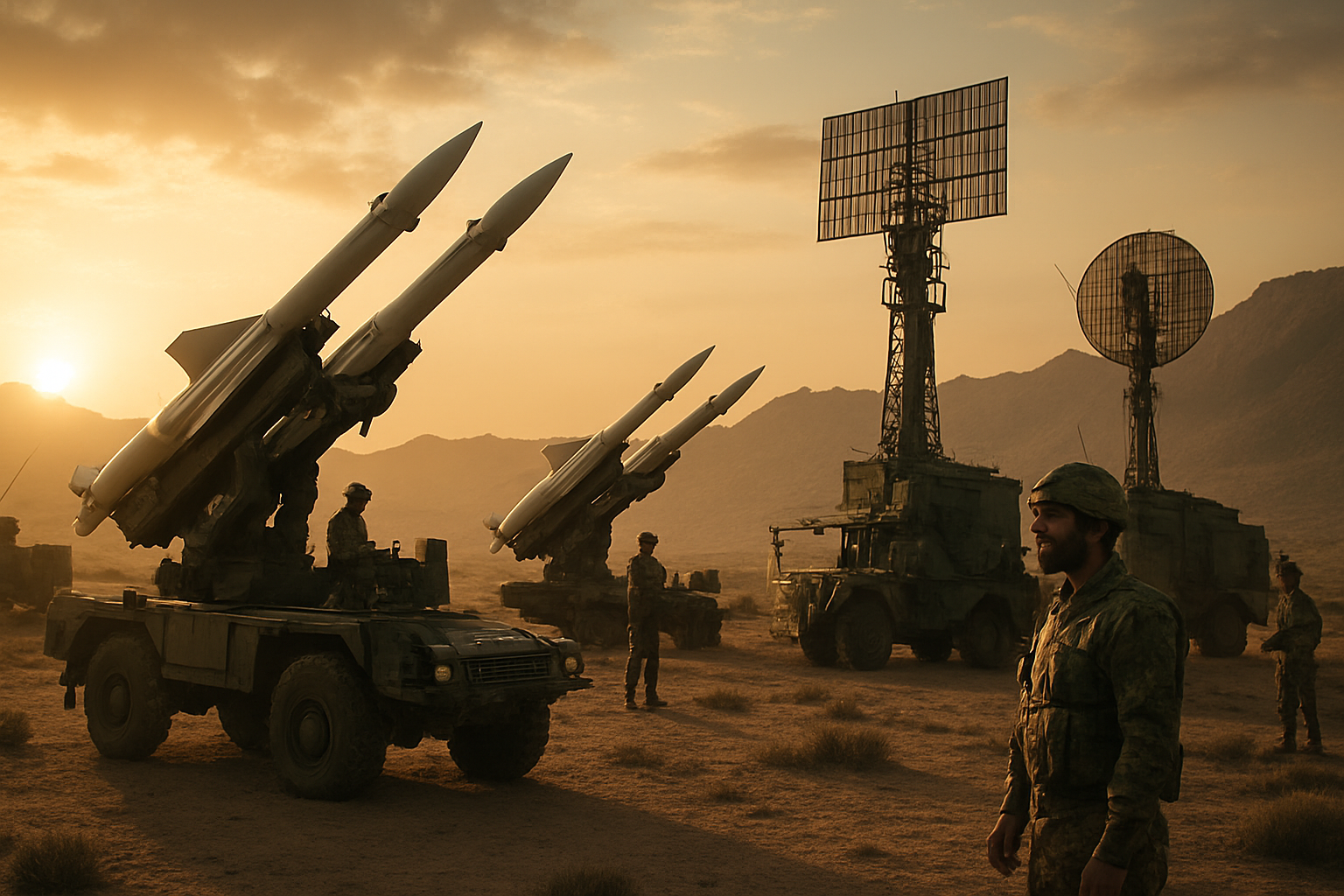
Following the coordinated US-Israeli strikes that resulted in the death of Supreme Leader Ayatollah Ali Khamenei, Iran’s military response has demonstrated the Islamic Republic’s capacity to strike American military assets across the Gulf region with unprecedented intensity. The Islamic Revolutionary Guard Corps (IRGC) launched what it described as “the heaviest offensive operations in the history of the armed forces of the Islamic Republic against occupied lands and the bases of American terrorists.”
Iran’s retaliatory capabilities have proven particularly effective against US military installations throughout the Middle East. On Saturday alone, Iran fired 137 missiles and 209 drones across the United Arab Emirates, where US military bases maintain a significant presence. The strikes resulted in fires and smoke reaching Dubai landmarks including Palm Jumeirah and Burj Al Arab, while Abu Dhabi’s airport reported at least one fatality and seven wounded during what authorities termed an “incident.”
The Iranian military’s dual structure, comprising both the regular Artesh forces and the IRGC, has enabled coordinated strikes across multiple theaters simultaneously. Iran’s army chief Amir Hatami claimed that fighter jets had successfully bombed US bases across the Gulf region, while the IRGC coordinated missile and drone operations. This parallel military structure, totaling approximately 610,000 active-duty personnel plus 350,000 reserves, provides Iran with the manpower necessary to sustain extended operations against American facilities.
Iran’s missile cities – heavily fortified underground facilities designed to protect ballistic and cruise weapons – have become central to the country’s strategy of targeting US military facilities. These hardened installations, revealed in March 2021 along the Gulf coast, enable Iran to launch sustained missile attacks while preserving second-strike capabilities despite initial damage from US-Israeli counterstrikes.
Disruption of Global Oil and Natural Gas Supply Chains
Now that we have covered Iran’s direct military targeting capabilities, the Islamic Republic’s strategic positioning allows it to severely disrupt global energy markets through its control over critical maritime chokepoints and energy infrastructure. Iran’s military strategy explicitly incorporates energy coercion as a primary weapon against Western economic interests.
The most immediate impact of Iran’s military response has been evident in global oil and natural gas supply chains. Shipping data from Sunday revealed that at least 150 tankers, including crude oil and liquified natural gas vessels, had dropped anchor in open Gulf waters beyond the Strait of Hormuz, effectively self-imposing restrictions on energy transport due to security concerns.
Iran’s sophisticated missile and drone arsenal, developed through decades of domestic rearmament programs due to international sanctions, now poses a direct threat to energy infrastructure across the region. The country’s ballistic and cruise missile capabilities, combined with its extensive drone program, can target oil refineries, gas processing facilities, and pipeline infrastructure throughout the Gulf region.
The economic ramifications extend far beyond regional boundaries, as oil prices have risen sharply following the US-Israeli attacks on Iran. This price volatility demonstrates how Iran’s military capabilities can translate into global economic leverage, forcing Western governments to consider the broader financial costs of sustained military engagement with the Islamic Republic.
Revolutionary Guard’s Threat to Block Persian Gulf Oil Exports
Previously covered were Iran’s targeting capabilities and energy disruption tactics, but the Revolutionary Guard’s most significant leverage lies in its threat to completely block Persian Gulf oil exports through the Strait of Hormuz. This narrow waterway serves as a critical chokepoint for approximately 20-30 percent of global oil and gas supplies, making it Iran’s most powerful asymmetric weapon.
The IRGC’s naval forces, under the command of Rear Admiral Alireza Tangsiri, maintain sophisticated capabilities specifically designed to control maritime traffic through the Persian Gulf. Iran’s five-year rearmament program initiated in 1989 specifically allocated $10 billion toward arms designed to prevent other states’ naval vessels from accessing the sea, including marines and long-range aircraft capable of attacking aircraft carriers.
Iran’s naval strategy incorporates multiple layers of denial capabilities. The Revolutionary Guard operates fast attack craft, coastal defense missiles, and naval mines that can effectively close the Strait of Hormuz to commercial shipping. Historical precedent exists for such operations, as demonstrated during Operation Prime Chance from 1987-1989, when US Central Command sought to stop Iranian mine-laying vessels from blocking international sea lanes.
The Revolutionary Guard’s threat to close the Strait of Hormuz represents what defense analysts describe as Iran’s ultimate escalation option. Such an action would immediately impact global energy markets, potentially triggering worldwide economic instability and forcing international intervention. The mere credible threat of closure has already resulted in significant shipping disruptions, with tanker operators voluntarily avoiding the region.
Iran’s current military doctrine has evolved to embrace earlier and more extensive use of energy coercion, making the Revolutionary Guard’s control over Persian Gulf shipping lanes a central component of the country’s survival strategy against US-Israeli military pressure. This capability forces adversaries to weigh the global economic consequences of sustained military action against Iran’s strategic infrastructure.
Leadership Changes and Nuclear Program Status

Succession from killed Supreme Leader to hardline son Mojtaba Khamenei
The dramatic shift in Iran’s nuclear program war trajectory became particularly evident following the succession crisis that emerged after the Supreme Leader’s assassination during the initial US Iran conflict escalation. Intelligence reports indicate that Mojtaba Khamenei, the hardline son of the former Supreme Leader, has assumed unprecedented control over Iran’s nuclear decision-making apparatus. This leadership transition represents a fundamental departure from the previous administration’s approach to nuclear weapons development.
Unlike his predecessor’s calculated restraint regarding weapons-grade uranium production, Mojtaba Khamenei has demonstrated a markedly aggressive stance toward nuclear capabilities. Sources within Iranian leadership circles suggest that the new power structure has effectively removed many of the traditional clerical constraints that previously limited weapons development. The succession has created a more centralized command structure, with Mojtaba Khamenei wielding direct influence over both the Atomic Energy Organization and military nuclear research divisions.
This leadership change has coincided with accelerated uranium enrichment activities at undisclosed locations, moving beyond the previous 60 percent enrichment levels that were documented at facilities like Fordow before the US Iran military action intensified. The new administration has reportedly authorized the expansion of centrifuge operations to previously unused underground facilities, suggesting a strategic pivot toward weapons-grade material production.
Bombed nuclear sites concealing uranium stockpile status
Now that we have covered the leadership transition, the physical impact of coordinated strikes on Iran’s nuclear infrastructure reveals the complex challenge of assessing actual uranium stockpile status. The June 13 Israeli strikes and subsequent June 21 US operations targeted critical facilities including Natanz, Fordow, Esfahan, and Arak, creating significant gaps in international monitoring capabilities.
According to IAEA assessments, the strikes on Natanz destroyed the above-ground Pilot Fuel Enrichment Plant, which had been operating cascades of IR-4s, IR-6s, and IR-2s for uranium enrichment up to 60 percent levels. The Fuel Enrichment Plant, housing 36 cascades of IR-1s and multiple advanced centrifuge configurations, may have been penetrated during subsequent strikes, though the full extent of damage to underground facilities remains unclear.
The Fordow facility, previously operating 6 cascades of IR-1 centrifuges and 10 cascades of IR-6s for enrichment activities up to 60 percent, was struck with massive ordinance penetrators on June 21. While the facility’s deep burial provided some protection, intelligence suggests that even if the main chambers weren’t penetrated, the shock waves likely damaged sensitive centrifuge equipment critical for high-level enrichment.
Perhaps most significantly, the Esfahan complex suffered extensive damage across 18 buildings, including the uranium conversion facility and metal processing plants where Iran had been storing enriched material. The strikes specifically targeted tunnel entrances suspected of concealing highly-enriched uranium stockpiles, making accurate assessment of remaining nuclear material virtually impossible.
The suspension of IAEA inspections following the June 13 strikes has created an intelligence blackout regarding Iran’s actual uranium stockpile levels. Previously documented quantities included approximately 372 kg of low-enriched uranium as of 2019, but current stockpile assessments remain classified and highly speculative given the destruction of monitoring equipment and storage facilities.
Potential for new religious rulings permitting weapons development
With this in mind, next, we’ll examine how the leadership changes have created unprecedented opportunities for religious reinterpretation of nuclear weapons development. The succession to Mojtaba Khamenei has introduced a more pragmatic interpretation of Islamic law regarding weapons of mass destruction, departing from previous fatwas that prohibited nuclear weapons development.
Traditional Shia jurisprudence had maintained that weapons capable of indiscriminate killing violated Islamic principles, effectively constraining Iran’s nuclear program to civilian applications despite technical capabilities for weapons development. However, sources indicate that the new leadership has commissioned revised religious rulings that frame nuclear weapons as defensive tools necessary for protecting the Islamic Republic against existential threats.
The reinterpretation draws upon concepts of darura (necessity) and maslaha (public interest) to justify weapons development as religiously permissible under current circumstances. This theological shift removes the final ideological barrier that had prevented Iran from transitioning its uranium enrichment capabilities toward weapons production, despite possessing the technical knowledge and infrastructure for decades.
Intelligence assessments suggest that this religious authorization has already influenced operational decisions at surviving nuclear facilities. The combination of leadership transition, damaged international monitoring, and theological permission creates what experts describe as a “perfect storm” for accelerated weapons development. The Iran war reasons now include not just regional power projection but fundamental regime survival, making nuclear weapons development a strategic imperative rather than a negotiating position.
This doctrinal evolution represents perhaps the most significant long-term consequence of the US Iran conflict escalation, as it removes the internal constraints that had previously limited Iran’s nuclear ambitions to civilian applications and regional influence rather than actual weapons deployment.
Victory Conditions and Long-term Consequences

Iran’s survival strategy versus US regime change objectives
The Iranian regime has demonstrated a fundamentally different approach to the Iran war victory conditions compared to US expectations. While the Trump administration initially expected Iran to capitulate quickly under military pressure, similar to previous nuclear negotiations, the Islamic Republic has instead adopted a survival-oriented strategy that treats this conflict as existential.
Iran’s leadership has calculated that a slow, protracted war of attrition serves their interests better than seeking immediate cessation of hostilities. The regime perceives that any temporary ceasefire would merely provide the United States and Israel time to replenish military supplies before restarting the conflict. This strategic thinking has led Iran to reject negotiations entirely and pursue asymmetrical warfare tactics designed to outlast their adversaries.
The Iranian strategy centers on their assessment that they possess greater willingness to absorb casualties and economic pain than either the United States or Gulf countries. By maintaining military capabilities that include asymmetric threats, Iran aims to inflict sufficient damage on US forces and regional allies while keeping global energy prices elevated. This approach represents a calculated gamble that Iran can ultimately determine when the conflict ends rather than accepting terms dictated by Washington.
In stark contrast, Trump’s objectives have been notably inconsistent and contradictory. The US entered this war without clear goals, strategy, timeline, or end game. Trump’s stated aims have ranged from freeing the Iranian people to removing direct threats to America, destroying Iran’s nuclear program, and achieving outright regime change. Netanyahu’s objectives prove more focused – seeking not only to destroy the Islamic regime but to diminish the Iranian state regardless of consequences for the population or territorial integrity.
Unpredictable outcomes similar to Iraq, Libya, and Afghanistan interventions
The current Iran war trajectory bears concerning similarities to previous US military interventions that produced unexpected and prolonged conflicts. Trump’s assumption that formidable US air and naval power, combined with Israeli capabilities, would rapidly prevail mirrors the optimistic projections that preceded other Middle Eastern wars.
The lack of coherent planning evident in this conflict reflects patterns seen in Iraq, Libya, and Afghanistan, where initial military objectives evolved without clear victory conditions or exit strategies. Trump has claimed the war is already won while simultaneously stating it will only end when he feels it in his “bones,” demonstrating the same unclear strategic thinking that characterized previous interventions.
Iran’s resilience has exceeded US and Israeli expectations, much as insurgent capabilities were underestimated in previous conflicts. The Iranian regime’s ability to maintain loyalty within its security apparatus and mobilize civilian support against external aggression parallels resistance patterns observed in other nations facing regime change efforts. Despite facing tremendous internal and external pressure, the Iranian bureaucratic and military structure has remained intact.
The US strategy of intensifying bombardment – reportedly hitting 15,000 targets and destroying military infrastructure on Kharg Island – follows familiar patterns of escalating military pressure when initial objectives prove elusive. Trump’s consideration of occupying strategic Iranian territory and forming international coalitions mirrors tactical adjustments made during prolonged interventions elsewhere.
Regional instability risks across 93 million population diverse nation
Now that we have examined the strategic miscalculations, the potential for widespread regional destabilization across Iran’s 93 million population presents unprecedented risks. The Iranian regime’s strategy deliberately aims to transform this bilateral conflict into a broader regional war, pressuring Gulf Arab states to reconsider their security relationships with the United States.
Iran’s asymmetrical warfare approach specifically targets regional energy infrastructure and threatens to disrupt global oil supplies through the Strait of Hormuz. This economic warfare component affects not only regional allies but creates worldwide energy shortages and price volatility that could destabilize the global economy. The regime’s calculation that they can inflict more economic pain than they receive represents a dangerous escalation in regional conflict dynamics.
The diverse composition of Iran’s population adds complexity to potential outcomes that differs significantly from previous interventions. Unlike smaller nations where regime change efforts could be more contained, Iran’s size and demographic diversity create multiple potential fracture points. The regime’s replacement of the supreme leader with Mojtaba Khamenei, though he hasn’t appeared publicly, demonstrates institutional continuity that complicates regime change objectives.
Two primary scenarios could end this conflict, both carrying significant regional implications. Hardware depletion – whichever side exhausts missile and interceptor stocks first – could signal desire for ceasefire, though this merely postpones rather than resolves underlying tensions. Alternatively, Trump declaring sufficient degradation of Iranian capabilities while claiming victory would allow both sides to save face, but would leave fundamental issues unresolved and regional instability intact.
The war’s continuation ensures that Iranian and Lebanese civilians bear the primary costs while the broader Middle East transitions into another phase of uncertainty and instability. Regional polarization threatens to reshape alliances and security arrangements across the Persian Gulf, potentially undermining decades of US strategic positioning in this critical energy-producing region.
The complex web of motivations behind the US-Iran conflict reveals that this war extends far beyond nuclear concerns or regional security threats. Trump’s strategic objectives appear focused on regime change rather than diplomatic resolution, despite Iran’s significant concessions during Geneva negotiations. The failure of diplomatic efforts, combined with regional escalation affecting Gulf Arab states and global oil markets, demonstrates how quickly localized conflicts can spiral into worldwide economic disruption.
The ultimate question remains whether either side can endure the mounting costs of prolonged warfare. With oil prices surging, shipping disrupted through the Strait of Hormuz, and Iran’s new leadership under Mojtaba Khamenei proving potentially more hardline than before, both nations face a test of resilience that could reshape Middle Eastern geopolitics. As war produces unpredictable consequences that extend far beyond the battlefield, the international community must grapple with the reality that victory conditions remain unclear while the potential for regional chaos grows with each passing day.
Continue your learning journey on www. biopharmavesre.com.