AI agents drug discovery is revolutionizing how pharmaceutical companies develop life-saving treatments. These breakthrough AI systems automate complex research workflows, analyze massive biomedical datasets, and accelerate the path from laboratory discovery to patient care.
This technology particularly benefits pharmaceutical researchers, biotech companies, and life sciences R&D teams looking to overcome traditional research bottlenecks. Scientists can now access intelligent digital assistants that eliminate manual tasks, reduce cycle times, and uncover insights that human researchers might miss.
We’ll explore how AI-powered pharmaceutical research addresses critical industry challenges like data silos and lengthy development cycles. You’ll discover comprehensive platform capabilities that combine internal proprietary data with external biomedical knowledge. Finally, we’ll examine real-world use cases showing how multi-agent systems drug development delivers measurable operational benefits and faster time-to-market for breakthrough therapies.
Revolutionary AI Agents Transform Scientific Research Workflows
Industry-Specific AI Agents Built for Life Sciences R&D
AI agents drug discovery workflows are revolutionizing pharmaceutical research by delivering specialized artificial intelligence systems designed specifically for life sciences applications. These breakthrough drug discovery technology solutions combine large language models (LLMs), AI models, and sophisticated tools to iteratively plan, execute, and optimize complex research tasks that were previously time-consuming and resource-intensive.
What sets these AI-powered pharmaceutical research systems apart is their ability to function as intelligent multitaskers capable of executing different tasks simultaneously. Rather than generic AI solutions, these pharmaceutical AI agents are purpose-built to understand the unique complexities of drug discovery workflows, from molecular design to clinical development phases. The specialized nature of these systems enables them to navigate the intricate data landscapes that characterize modern pharmaceutical research.
These AI research agents serve as high-performing assistants that can each play different roles within the research ecosystem. By leveraging the power of LLMs as master multitaskers, researchers at leading pharmaceutical companies can focus their expertise on critical drug discovery and development activities while the AI handles routine but essential tasks. This targeted approach ensures that artificial intelligence drug discovery platform capabilities align perfectly with the specific needs of life sciences R&D teams.
Conversational Interface for Direct Interaction with Research Agents
The implementation of conversational interfaces represents a significant advancement in how researchers interact with AI drug discovery workflow systems. These interfaces enable direct, natural language communication between scientists and their AI agents, eliminating the need for complex programming or technical expertise to leverage powerful AI capabilities.
Through these conversational systems, researchers can query and assemble knowledge in real-time, making the AI pharmaceutical technology more accessible and intuitive. The conversational nature of these interactions allows for dynamic problem-solving where scientists can refine their queries, ask follow-up questions, and receive contextually relevant responses that directly support their research objectives.
This approach transforms traditional command-based AI interactions into collaborative dialogues, where intelligent drug discovery systems can understand context, maintain conversation history, and provide increasingly sophisticated responses. The conversational interface serves as a bridge between human expertise and machine intelligence, creating a seamless integration that enhances rather than replaces human decision-making capabilities.
Multi-Step Task Automation Across Drug Discovery Pipeline
Multi-agent systems drug development capabilities shine in their ability to automate complex, multi-step processes that span the entire drug discovery pipeline. These automated drug research systems excel at breaking down comprehensive problems into manageable subtasks, which can then be addressed by specialized AI agents with targeted problem-solving functions.
The automation capabilities extend across various stages of drug discovery, from initial molecular design ideas and insights generation to assay workflow optimization. AI agents can orchestrate discovery workflows by coordinating different specialized functions, ensuring that each step of the process builds upon previous results while maintaining consistency and quality throughout the pipeline.
One of the most significant advantages of these collaborative systems lies in their capacity to handle repetitive tasks such as data cleaning and preliminary analysis automatically. This drug discovery automation frees scientists to focus on higher-level work and strategic decision-making, ultimately making the R&D process faster while driving higher quality results.
Integration of Internal and External Data Sources
The power of AI-driven pharmaceutical innovation becomes evident in the seamless integration of both internal proprietary data and external scientific knowledge bases. These machine learning drug development systems can access and synthesize information from diverse sources, creating comprehensive insights that would be impossible to achieve through manual analysis alone.
This integration capability enables AI pharmaceutical agents to generate biology insights that span across cells, organisms, and human genomics, providing researchers with a holistic view of their research landscape. The systems can rapidly process vast amounts of scientific literature, experimental data, and real-world evidence to support hypothesis generation and validation.
The ability to integrate multiple data sources simultaneously allows these drug discovery AI solutions to provide contextually rich recommendations and insights. By combining internal experimental results with external scientific knowledge, researchers can make more informed decisions and identify novel research directions that might have been overlooked using traditional analytical approaches.
Critical Research Challenges Solved by AI Agent Technology
Elimination of Manual and Siloed Research Processes
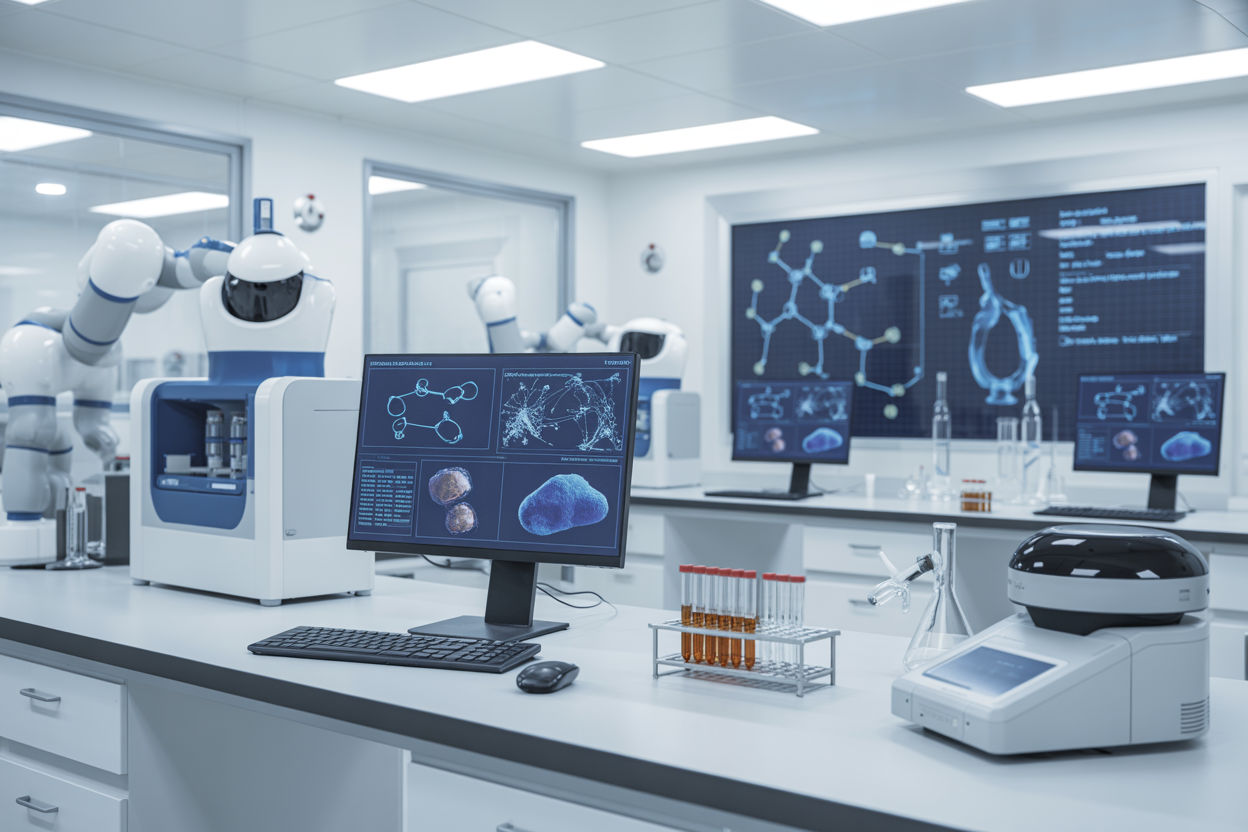
AI agents drug discovery technology fundamentally transforms how pharmaceutical research teams approach complex scientific workflows. Traditional drug discovery processes have long suffered from fragmented approaches where research teams work in isolation, manually transferring data between different stages of development. These siloed research processes create significant bottlenecks, with researchers spending countless hours on repetitive tasks that could be automated.
The integration of artificial intelligence eliminates these manual barriers by creating seamless workflows that connect previously disconnected research phases. AI-powered pharmaceutical research platforms enable continuous data flow between target identification, compound screening, and validation stages. This interconnected approach ensures that insights generated in one phase immediately inform decision-making in subsequent stages, dramatically reducing the time spent on manual data reconciliation and transfer processes.
Multi-agent systems drug development takes this integration further by deploying specialized AI research agents that work collaboratively across different research domains. Each agent focuses on specific aspects of the discovery process while maintaining constant communication with other agents, creating a unified research ecosystem that operates far more efficiently than traditional siloed approaches.
Acceleration of Data Analysis and Insight Discovery
Now that we’ve established how AI agents eliminate process silos, the acceleration of data analysis represents perhaps the most transformative benefit for pharmaceutical researchers. The reference content emphasizes that artificial intelligence enhances drug discovery efficiency, accuracy, and speed by seamlessly integrating computational power with advanced algorithms.
AI drug discovery workflow systems can process vast datasets in minutes that would traditionally require weeks or months of manual analysis. Machine learning drug development approaches enable researchers to identify patterns and correlations within complex molecular data that would be impossible to detect through conventional analytical methods. This acceleration is particularly evident in compound characterization and property prediction, where AI algorithms can rapidly assess thousands of potential drug candidates simultaneously.
The breakthrough drug discovery technology leverages deep learning capabilities to predict compound efficacy and toxicity with remarkable speed and accuracy. Virtual screening optimization through AI enables pharmaceutical teams to evaluate drug candidates computationally before investing in expensive laboratory testing, significantly shortening development timelines while maintaining rigorous scientific standards.
Reduction of Human Bias in Decision-Making
With this enhanced analytical capability in mind, AI agents address one of the most persistent challenges in pharmaceutical research: human bias in decision-making processes. The reference content specifically identifies bias and fairness concerns as critical challenges that AI technology can help address through systematic, data-driven approaches.
Intelligent drug discovery systems eliminate subjective decision-making by relying on comprehensive data analysis rather than individual researcher preferences or institutional biases. AI pharmaceutical technology ensures that compound selection and target validation decisions are based on objective criteria derived from extensive datasets, rather than influenced by researcher experience or organizational history.
Automated drug research platforms implement explainable AI approaches that provide transparent reasoning for research decisions, allowing teams to understand and validate the logic behind AI recommendations. This transparency ensures that while human oversight remains essential, the decision-making process becomes more objective and reproducible across different research teams and organizations.
Management of Overwhelming Scientific Information Volume
Previously, we’ve seen how AI agents streamline processes and reduce bias. The management of overwhelming scientific information volume represents another critical challenge that AI-driven pharmaceutical innovation directly addresses. The reference content highlights that modern drug discovery faces unprecedented amounts of scientific data that exceed human processing capabilities.
AI pharmaceutical agents excel at processing and synthesizing vast quantities of scientific literature, experimental data, and molecular information simultaneously. These systems can analyze thousands of research papers, clinical trial results, and molecular databases to identify relevant insights that might otherwise remain buried in the information deluge.
Drug discovery AI solutions employ sophisticated algorithms to continuously monitor and analyze emerging scientific publications, patent filings, and research developments across multiple therapeutic areas. This capability ensures that research teams remain current with the latest scientific advances while focusing their human expertise on high-value strategic decisions rather than information gathering and synthesis tasks.
The integration of machine learning approaches enables these systems to learn from new information continuously, becoming more effective at identifying relevant insights and filtering out noise from the overwhelming volume of available scientific data.
Comprehensive AI Agent Platform Capabilities

Complex Analysis with Quality Verification Systems
AI agents drug discovery platforms leverage sophisticated analytical capabilities that process vast datasets with unprecedented accuracy and reliability. These artificial intelligence drug discovery platforms utilize advanced machine learning algorithms including support vector machines (SVMs), deep neural networks (DNNs), and random forests (RF) to predict critical physicochemical properties such as logP, solubility, permeability, and absorption parameters. The quality verification systems ensure that each analytical output undergoes rigorous validation through multiple algorithmic approaches, providing researchers with confidence in their computational predictions.
The platform’s complex analysis capabilities extend to predicting drug-target interactions by measuring binding affinity using both feature-based and similarity-based methods. Tools integrated within these systems, such as ChemMapper, SEA, DeepTCA, and PADME, enable researchers to evaluate molecular interactions with high precision. Furthermore, the AI-powered pharmaceutical research platforms incorporate specialized tools like XenoSite, FAME, and SMARTCyp to evaluate ADME properties (absorption, distribution, metabolism, excretion) and predict sites of metabolism, significantly reducing the reliance on costly experimental assays.
Toxicity prediction represents another crucial component of these quality verification systems. Advanced AI tools including LimTox, pkCSM, admetSAR, Toxtree, and DeepTox work in concert to forecast drug toxicity and adverse effects. Additional specialized tools like TargeTox, PrOCTOR, and Tox_CNN provide comprehensive safety assessments, ensuring that potential therapeutic compounds undergo thorough evaluation before advancing to experimental phases.
Real-Time Scientific Landscape Monitoring
Now that we have covered the analytical foundations, multi-agent systems drug development platforms provide continuous monitoring of the evolving scientific landscape. These systems utilize AI algorithms to track and analyze competitors, stakeholders, and market share dynamics in real-time, enabling pharmaceutical companies to make informed strategic decisions. The AI platforms, such as E-VAI, predict key drivers in pharmaceutical sales by continuously analyzing market conditions and competitive positioning.
The real-time monitoring capabilities extend to virtual screening processes, where AI systems continuously evaluate virtual chemical spaces including databases like PubChem, ChemBank, DrugBank, and ChemDB. This drug discovery automation ensures that researchers have access to the most current molecular information and can identify promising compounds as new data becomes available. The platform’s ability to process information from the vast chemical space containing over 10^60 molecules demonstrates its capacity to handle complex, large-scale monitoring tasks.
These monitoring systems also track regulatory changes, clinical trial outcomes, and emerging research trends across the pharmaceutical landscape. By maintaining awareness of the dynamic scientific environment, AI research agents can adjust their analytical approaches and recommendations in response to new developments, ensuring that drug discovery workflows remain optimized and aligned with current best practices.
Fully Traceable Evidence-Backed Insights
Previously, we’ve established the analytical and monitoring capabilities of AI platforms. The traceable evidence-backed insights feature ensures complete transparency and reproducibility in machine learning drug development processes. Every analytical decision, prediction, and recommendation generated by the AI agents maintains a comprehensive audit trail that documents the underlying data sources, algorithmic approaches, and decision-making pathways.
The platform’s protein structure prediction capabilities, utilizing tools like AlphaFold and recurrent neural networks, provide fully documented evidence for structure-based drug design decisions. Each 3D protein structure prediction includes detailed documentation of the computational methods employed and the confidence levels associated with specific structural predictions. This transparency enables researchers to understand and validate the AI-driven insights, fostering trust in the intelligent drug discovery systems.
Drug-protein interaction predictions are similarly supported by comprehensive evidence trails that document the ligand and protein features used in model training. This level of traceability facilitates drug repurposing efforts and off-target effect identification by providing researchers with clear insights into how specific predictions were generated. The evidence-backed approach extends to generative models used in de novo drug design, including RANC, RNNs, and reinforcement learning frameworks like Synthia, where each generated molecular structure includes documentation of the design rationale and optimization parameters.
Seamless Integration with Internal Systems and Data Sources
With this in mind, next, we’ll examine how AI pharmaceutical technology platforms achieve seamless integration with existing organizational infrastructure. The integration capabilities encompass formulation development optimization, where AI tools interface with internal stability, dissolution, and release parameter databases. Expert Systems, CFD (Computational Fluid Dynamics), DEM (Discrete Element Method), and AI-integrated quality control systems work together to create a unified development environment.
Manufacturing integration represents a critical component of these drug discovery AI solutions, facilitating process optimization, predictive maintenance, quality assurance, and automation. The platforms utilize CFD, DEM, ANN (Artificial Neural Networks), and digital platforms like Chemputer to interface with existing manufacturing systems and data repositories. This integration ensures that AI insights can be immediately implemented within existing operational workflows without requiring significant infrastructure modifications.
Clinical trial integration capabilities enhance trial design through patient-specific recruitment algorithms that interface with internal patient databases and electronic health records. The AI-driven pharmaceutical innovation systems predict trial success rates and monitor patient adherence by integrating with clinical data management systems. This seamless connectivity reduces trial failure rates and improves overall clinical development efficiency. Additionally, the platforms integrate with market analysis systems to support product positioning and sales prediction by analyzing internal sales data alongside external consumer behavior patterns and competitive intelligence, creating a comprehensive view of market opportunities and challenges.
Traditional vs AI-Powered Drug Discovery Comparison
Speed Enhancement from Years to Accelerated Timelines
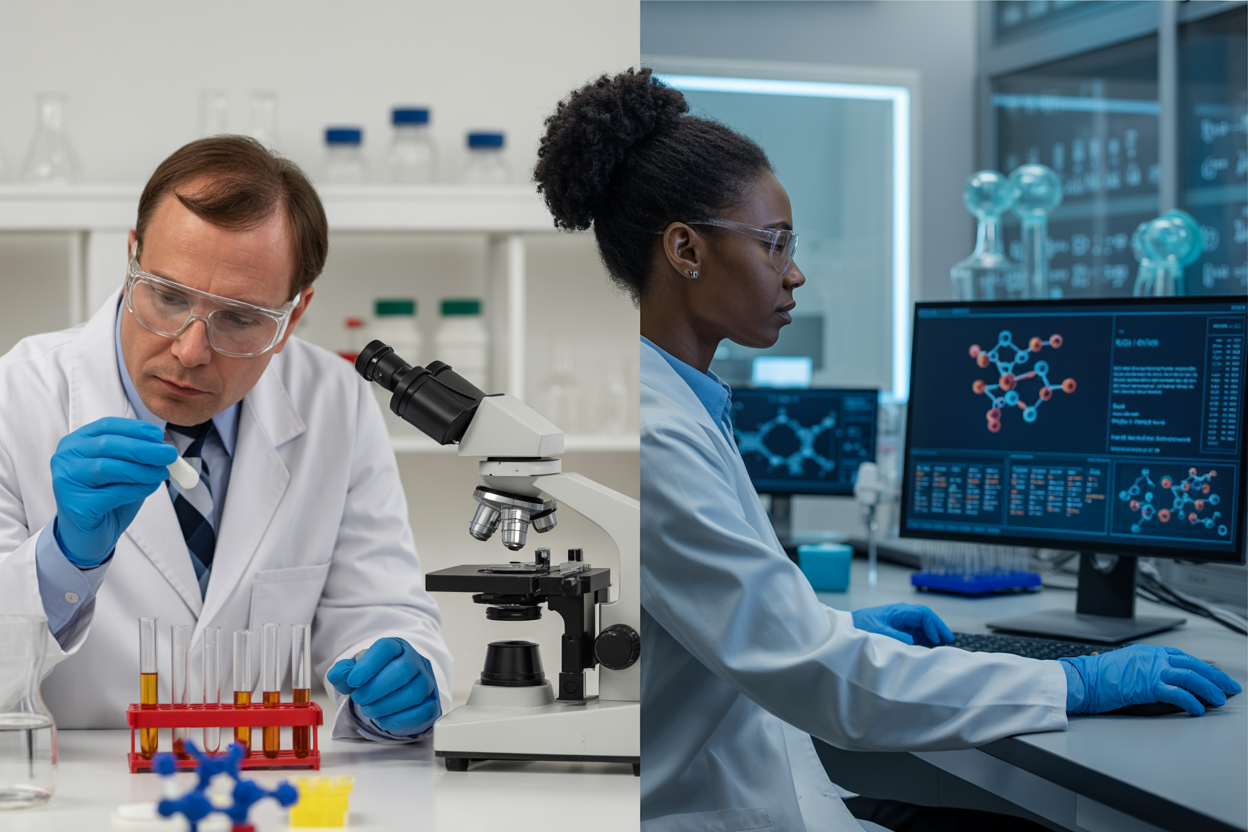
The transformation from traditional drug discovery timelines to AI-powered pharmaceutical research represents one of the most dramatic improvements in modern scientific innovation. Traditional drug discovery methods typically span over a decade from initial target identification to market approval, creating significant barriers to bringing life-saving treatments to patients. However, AI agents drug discovery platforms are revolutionizing these timeframes through sophisticated automation and predictive capabilities.
AI-powered pharmaceutical research leverages machine learning algorithms and deep learning models to accelerate multiple stages simultaneously. Where traditional methods require sequential, manual processes for target identification and validation, AI systems can analyze complex biological datasets within hours rather than months. As demonstrated by companies like Envisagenics, their proprietary splicing database containing over 14 million splicing events across thousands of RNA-seq samples can uncover valuable drug targets and transform transcriptomic complexity into actionable insights within hours.
The impact extends beyond initial discovery phases. Artificial intelligence drug discovery platforms streamline lead optimization, de novo drug design, and drug repurposing processes that traditionally consumed years of laboratory work. AI tools such as AlphaFold for protein structure prediction have fundamentally changed how researchers approach structural biology, providing insights that would have required extensive experimental validation in traditional workflows.
Cost Reduction from Billion-Dollar Investments
Traditional drug discovery represents one of the most capital-intensive endeavors in modern science, with average costs exceeding $2 billion to bring a single drug to market. This enormous financial burden stems from the extensive trial-and-error experimentation required at each development stage, coupled with the high attrition rates that characterize conventional approaches.
Machine learning drug development platforms dramatically reduce these costs through improved predictive accuracy and reduced experimental requirements. By utilizing AI algorithms to analyze vast datasets and predict compound interactions, pharmaceutical companies can eliminate unpromising candidates earlier in the development process, avoiding costly late-stage failures. The integration of predictive toxicology models allows researchers to assess safety profiles using preclinical data, minimizing the risk of expensive adverse events during human clinical trials.
AI-driven pharmaceutical innovation also reduces costs through enhanced efficiency in clinical trial design and patient stratification. Machine learning algorithms can optimize clinical trial protocols and identify patients most likely to benefit from specific treatments, reducing trial sizes and duration while improving success rates. This targeted approach eliminates much of the expensive guesswork that characterizes traditional clinical development programs.
Improved Success Rates Through Better Candidate Selection
The pharmaceutical industry has historically struggled with exceptionally high failure rates, with nearly 90% of drug candidates failing due to insufficient efficacy or unforeseen safety concerns. This challenge represents a fundamental limitation of traditional discovery methods that rely heavily on empirical testing without sophisticated predictive capabilities.
Recent studies demonstrate that AI-discovered drugs in phase 1 clinical trials achieve significantly better success rates compared to traditionally discovered compounds. Estimates indicate that AI-developed drugs achieve success rates ranging from 80% to 90%, compared to only 40% to 65% for drugs discovered through conventional methods. This remarkable improvement reflects AI’s ability to analyze complex molecular interactions and predict therapeutic outcomes with unprecedented accuracy.
Intelligent drug discovery systems enhance candidate selection through comprehensive analysis of biological pathways, target interactions, and safety profiles. Machine learning models can identify toxicological patterns such as hepatotoxicity or cardiotoxicity, enabling early elimination of candidates lacking sufficient safety margins. This predictive capability allows researchers to focus resources on the most promising compounds, dramatically improving overall program success rates.
Advanced Personalization Based on Genetic Data
Traditional drug discovery approaches typically follow a one-size-fits-all methodology, developing treatments intended for broad patient populations without considering individual genetic variations. This approach often results in treatments that work well for some patients but prove ineffective or cause adverse reactions in others.
AI pharmaceutical technology enables unprecedented levels of personalization by incorporating multi-omics data including genomics, proteomics, and metabolomics. These comprehensive datasets provide detailed insights into disease mechanisms and individual patient characteristics, allowing for the development of targeted therapies tailored to specific genetic profiles.
The integration of AI with genetic data analysis facilitates precision medicine approaches that were impossible with traditional methods. Automated drug research platforms can identify patient subgroups most likely to respond to specific treatments, enabling the development of companion diagnostics and personalized treatment protocols. This personalization extends to dosing regimens, treatment timing, and combination therapies optimized for individual patient characteristics.
Furthermore, AI systems can predict patient responses to treatments based on genetic markers, allowing clinicians to select the most appropriate therapies before beginning treatment. This predictive capability reduces trial-and-error prescribing patterns common in traditional medicine, improving patient outcomes while reducing healthcare costs and treatment delays.
Multi-Agent Architecture for Drug Development
Data Collection and Validation from Diverse Sources
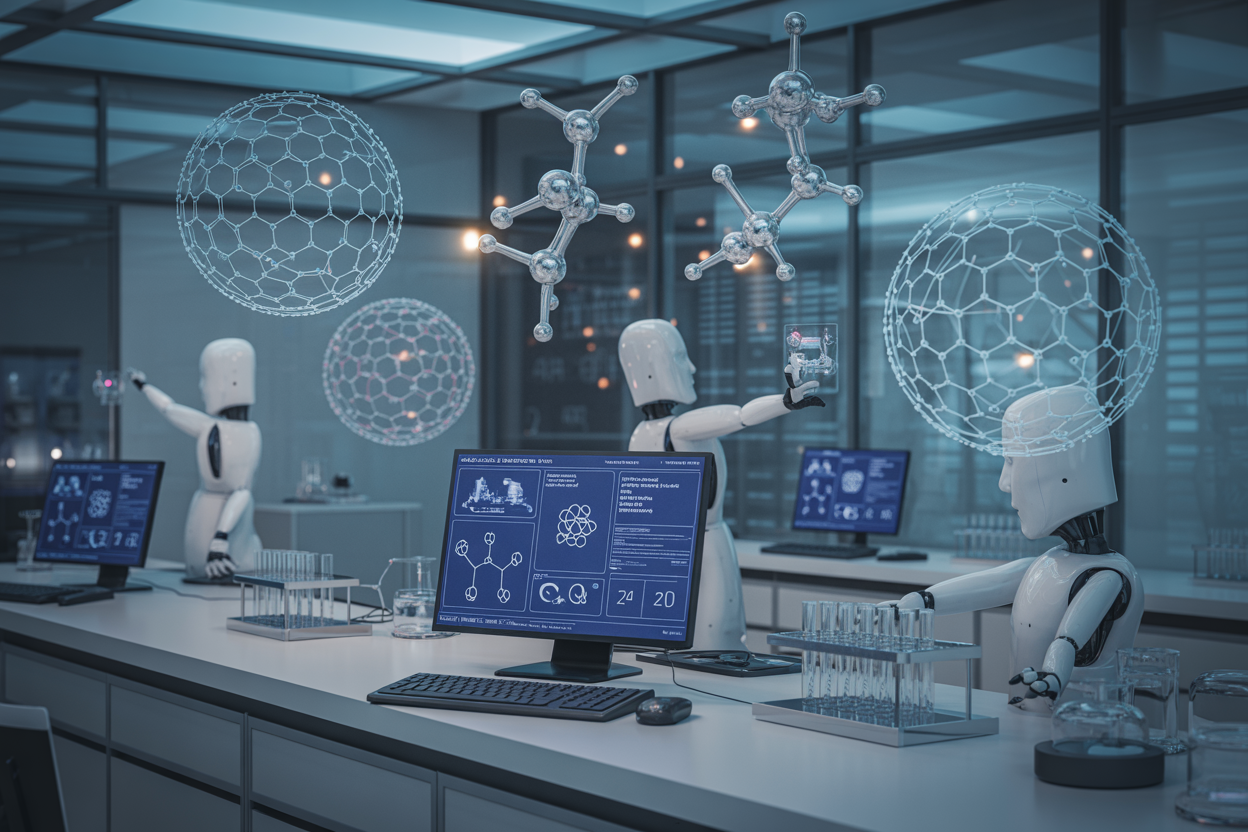
Multi-agent systems in drug development excel at orchestrating comprehensive data gathering and validation processes across pharmaceutical research pipelines. These AI agents operate as specialized information synthesis agents that retrieve and synthesize information from multiple domains including scientific literature, regulatory guidelines, real-world data, health system policies, and reports on unmet medical needs.
The agent networks function through coordinated data collection workflows where individual agents focus on specific data sources while maintaining communication protocols for cross-validation. Data management agents process raw datasets from clinical trials, laboratory experiments, and patient records, ensuring data integrity through automated quality checks and standardization procedures. These agents apply sophisticated validation algorithms to identify inconsistencies, missing values, and potential outliers that could compromise downstream analysis.
Statistical programming agents work in parallel to develop and validate analysis code in multiple programming languages including SAS, R, and Python. They implement dynamic validation frameworks that adapt to protocol amendments and changing data structures, ensuring robust data processing pipelines. The multi-agent architecture enables real-time validation where agents continuously monitor data quality metrics and flag potential issues for immediate attention.
Behavioral and Mechanism Analysis for Disease Understanding
AI agents transform disease mechanism analysis through autonomous reasoning and multi-step planning capabilities. These planning and reasoning agents independently break down complex biological processes, design execution paths for mechanism investigation, and adapt to evolving scientific understanding.
The multi-agent systems create specialized networks where individual agents focus on distinct aspects of disease pathology. Behavioral analysis agents process patient data, biomarker information, and clinical observations to identify disease progression patterns and therapeutic response indicators. These agents employ machine learning algorithms to detect subtle behavioral changes that traditional analysis methods might overlook.
Mechanism analysis agents leverage vast databases of molecular interactions, pathway information, and genetic data to construct comprehensive disease models. They continuously update their understanding based on new research findings and clinical evidence, enabling dynamic hypothesis generation and testing. The orchestrator agents coordinate between behavioral and mechanism analysis teams, ensuring that insights from patient observations inform mechanistic understanding and vice versa.
Risk Prediction and Safety Assessment
The multi-agent architecture revolutionizes pharmaceutical risk assessment through autonomous collaboration between specialized safety evaluation agents. These systems implement comprehensive risk prediction models that analyze multiple data streams simultaneously, including preclinical safety data, clinical trial adverse events, and real-world safety monitoring information.
Risk assessment agents employ predictive modeling techniques to identify potential safety signals before they manifest in larger patient populations. They analyze drug-drug interactions, patient comorbidities, and demographic factors to generate personalized risk profiles. The agents continuously update their risk models as new safety data becomes available, ensuring that safety assessments remain current and accurate.
Safety monitoring agents work in parallel to track adverse events across different patient populations and therapeutic indications. They implement automated signal detection algorithms that identify unusual patterns in safety data, triggering alerts for further investigation. The agent networks facilitate rapid communication between safety assessment teams and regulatory affairs specialists, ensuring timely reporting and appropriate risk mitigation strategies.
Optimization and Personalization for Individual Patients
Multi-agent systems enable unprecedented levels of treatment optimization and personalization through coordinated analysis of individual patient characteristics. These AI agents process genomic data, biomarker profiles, medical histories, and treatment responses to generate personalized therapeutic recommendations.
Optimization agents analyze treatment efficacy data across diverse patient populations to identify optimal dosing regimens, combination therapies, and treatment sequences for specific patient profiles. They employ sophisticated algorithms that account for individual variability in drug metabolism, target expression, and disease progression patterns.
Personalization agents integrate multiple data sources to create comprehensive patient models that guide therapeutic decision-making. These agents continuously learn from treatment outcomes, refining their recommendations based on real-world evidence and clinical feedback. The orchestrator agents ensure seamless coordination between optimization and personalization functions, creating adaptive treatment protocols that evolve with patient needs.
The multi-agent architecture supports dynamic treatment optimization where agents monitor patient responses in real-time and adjust therapeutic strategies accordingly. This approach enables precision medicine at scale, delivering individualized treatments while maintaining the efficiency and consistency required for clinical practice. Agent networks facilitate continuous learning from patient outcomes, driving improvements in personalization algorithms and treatment protocols across the entire pharmaceutical development pipeline.
Key Use Cases Transforming Pharmaceutical Research

Accelerated Drug Candidate Identification
AI agents are revolutionizing the traditional drug discovery timeline by dramatically reducing the time needed to identify viable drug candidates. According to recent industry analysis, AI technology is helping pharmaceutical companies shorten the drug discovery process from the conventional 5-6 years to just one year. This acceleration represents one of the most significant breakthroughs in pharmaceutical research, where AI-powered systems can analyze vast amounts of biological and chemical data to pinpoint promising compounds at unprecedented speed.
The most promising applications include extracting scientific knowledge from patents, scientific publications, and trial data using GPT-powered analysis, which can increase initial manual assessments of drug targets by more than 30%. AI agents excel at processing complex biological datasets, utilizing advanced models like AlphaFold2, ESMFold, and MoLeR that employ deep learning to predict the structures of nearly all known proteins, fundamentally transforming our understanding of underlying diseases.
These breakthrough drug discovery technology systems leverage indication selection for asset strategy, using AI to analyze diverse data sources including real-world data and knowledge graphs. This capability enables researchers to successfully prioritize indications, identify novel therapeutic opportunities, and significantly reduce failure rates in the early discovery phase.
Virtual Screening and Compound Analysis
With this acceleration in mind, virtual screening represents another transformative application where AI agents demonstrate exceptional capabilities. In silico compound screening with advanced chemistry models can predict the structure and function of molecules, leading to up to 2.5 times better performance and fourfold faster identification of new leads compared to traditional methods.
AI-powered pharmaceutical research platforms utilize sophisticated algorithms including Generative Adversarial Networks (GANs), Convolutional Neural Networks (CNNs), and Graph Neural Networks (GNNs) to analyze molecular properties and interactions. Popular AI model tools such as DeepChem, ChemBERTa, AutoDock Vina, and the Schrödinger Suite enable researchers to conduct comprehensive virtual screening campaigns with remarkable precision.
The optimization of large molecules and drug vectors through AI agents accelerates large-molecule design by more than three times. These multi-agent systems drug development approaches can simultaneously evaluate multiple compound parameters, including drug efficacy, safety profiles, and molecular stability, creating a comprehensive analysis framework that would be impossible to achieve through manual processes.
Clinical Trial Design Optimization
Now that we have covered the discovery phase, AI agents are equally transformative in clinical trial optimization. Predictive modeling methods train on historical clinical trial data, including patient characteristics, treatment interventions, and trial outcomes, to guide trial design and optimize patient selection strategies.
AI in clinical development demonstrates remarkable potential for cost reduction, with studies showing up to 50% cost reductions by streamlining trial processes and auto-drafting essential documents. These intelligent drug discovery systems can accelerate trial timelines by 12+ months while achieving at least a 20% increase in net present value through better health authority interactions and enhanced quality control processes.
Precision oncology approaches powered by AI research agents improve patient selection methodologies, leading to approximately 10% increases in success probability, 20% reductions in trial duration and costs, and acceleration of regulatory approval by 1-2 years. The technology excels at identifying suitable patient candidates through efficient analysis of vast clinical datasets, optimizing trial designs using advanced algorithms that increase precision and effectiveness.
Rare Disease Research Advancement
Previously, rare disease research faced significant challenges due to limited patient populations and complex disease mechanisms. AI pharmaceutical technology now offers unprecedented opportunities to advance research in these underserved areas. Machine learning drug development platforms can analyze genetic data, patient registries, and clinical information to identify potential therapeutic targets for rare conditions that were previously considered undruggable.
AI-driven pharmaceutical innovation enables researchers to leverage smaller datasets more effectively through advanced pattern recognition and predictive analytics. These automated drug research systems can identify commonalities across rare disease mechanisms, potentially revealing shared therapeutic pathways that could benefit multiple conditions simultaneously.
The technology’s ability to process and integrate diverse data sources – including genomic data, biomarker information, and real-world evidence – creates new possibilities for rare disease drug discovery. AI agents can identify novel drug repurposing opportunities, where existing compounds might be effective for rare conditions, significantly reducing development timelines and costs for these critical therapeutic areas where traditional approaches often prove economically unfeasible.
Operational Benefits Driving Industry Adoption
Accelerated Research and Development Timelines
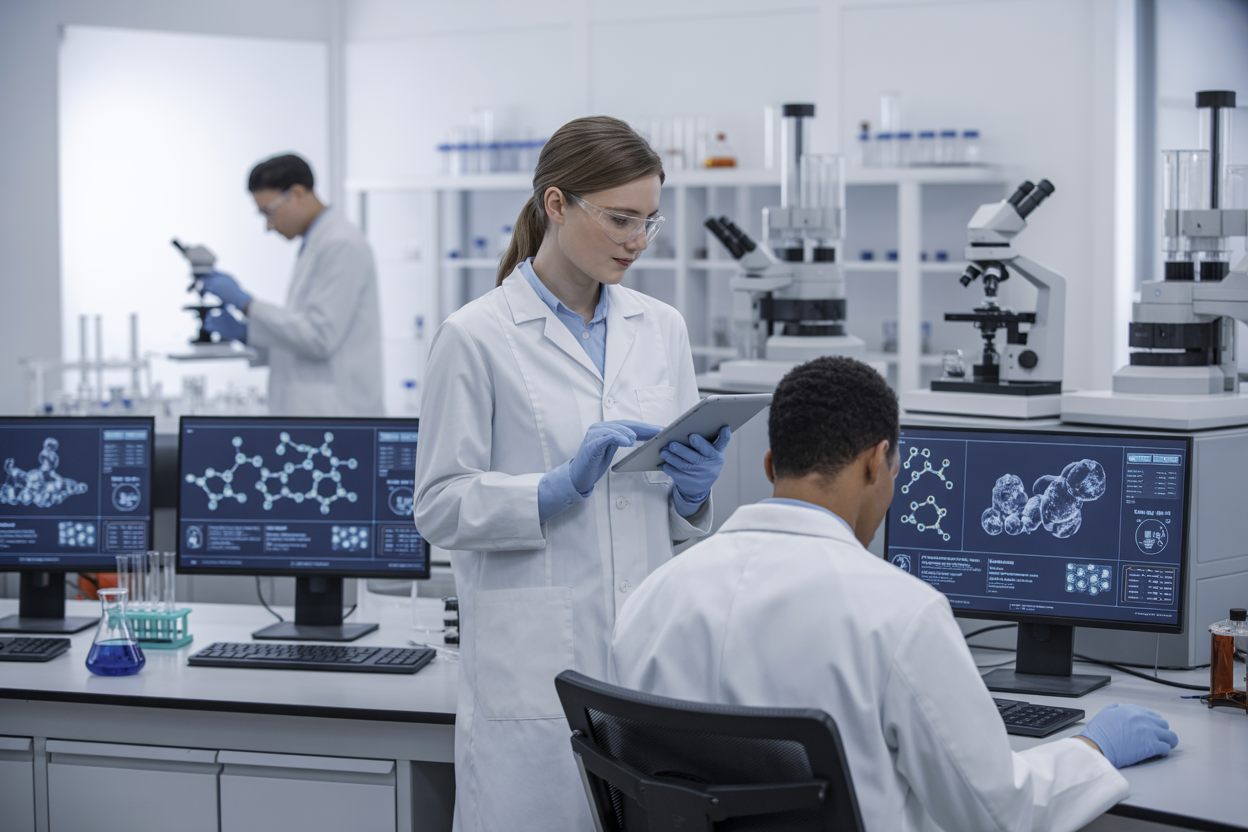
AI agents drug discovery technology fundamentally transforms the speed at which pharmaceutical companies can advance from initial target identification to clinical testing. Machine learning algorithms streamline experimental design processes, enabling researchers to predict pharmacokinetics and toxicity of drug candidates with unprecedented efficiency. This predictive capability allows for rapid prioritization and optimization of lead compounds, eliminating time-consuming trial-and-error approaches that traditionally dominated pharmaceutical research workflows.
The integration of AI-powered pharmaceutical research tools across multiple discovery stages creates a seamless acceleration effect. Virtual screening techniques powered by intelligent drug discovery systems can analyze thousands of potential compounds in silico, dramatically reducing the time required for initial compound identification. Tools like DeepChem, RDKit, and AutoDock Vina enable molecular modeling and lead optimization to occur simultaneously, compressing development timelines that previously required sequential processing.
AI research agents facilitate real-time optimization of clinical trial operations through remote patient monitoring via wearable devices. This technological advancement reduces face-to-face interaction requirements while optimizing study design and patient recruitment processes. The automated drug research capabilities extend to 3D-printed dosage forms, where AI simulates drug release profiles and tailors geometries based on patient-specific data, significantly reducing manufacturing development cycles.
Enhanced Accuracy and Precision in Predictions
Breakthrough drug discovery technology leverages sophisticated AI algorithms to analyze extensive biological data, including genomics and proteomics datasets, enabling precise identification of disease-associated targets. These multi-agent systems drug development platforms predict interactions between potential drug candidates and biological targets with remarkable accuracy, surpassing traditional computational methods.
Machine learning drug development models excel in structure-activity relationship modeling and de novo drug design, providing pharmaceutical researchers with highly accurate predictions of molecular behavior. AI pharmaceutical technology enhances toxicity prediction capabilities, allowing early identification of potentially harmful compounds before expensive laboratory testing begins. This predictive accuracy extends to pharmacokinetic parameter modeling, where AI assists in drug delivery design by accurately modeling drug permeation and optimizing nanosystems.
The precision of AI-driven pharmaceutical innovation becomes particularly evident in dosage form development, where AI models predict drug release profiles with exceptional accuracy. These predictions enable optimization of formulation parameters while supporting quality control through advanced defect detection capabilities, including identification of tablet cracks and internal structural defects that might compromise drug efficacy.
Significant Cost Efficiency Improvements
AI drug discovery workflow implementation delivers substantial cost reductions by optimizing research and development processes throughout the pharmaceutical development pipeline. In silico target fishing and ligand-target prediction techniques eliminate expensive wet laboratory experiments, while early toxicity and safety assessment mechanisms prevent costly late-stage failures.
The cost efficiency improvements extend beyond initial discovery phases to encompass comprehensive supply chain optimization. AI pharmaceutical agents enhance decision-making tools for supply chain management, including forecasting and logistics optimization, which directly impact operational expenditure. These intelligent drug discovery systems help mitigate supply chain disruptions that traditionally result in significant financial losses affecting customer satisfaction and corporate profits.
Manufacturing cost reductions emerge through AI-powered quality assurance processes that automate inspection procedures. Image processing algorithms enable particle detection and bubble identification in injectables, while surface crack detection systems improve quality control efficiency. For parenteral, transdermal, and mucosal products, AI optimizes physicochemical parameters and enables predictive maintenance scheduling, reducing unexpected downtime costs.
Proactive Risk Management and Failure Prevention
AI drug discovery solutions provide sophisticated risk management capabilities through early identification of potential development failures. Machine learning algorithms assess compound viability across multiple parameters simultaneously, enabling researchers to abandon unpromising candidates before significant resources are invested. This proactive approach prevents costly late-stage failures that traditionally plague pharmaceutical development.
The risk management benefits extend to manufacturing operations where AI monitors production processes in real-time, predicting deviations before they occur. This predictive capability enables pharmaceutical companies to maintain consistent product quality while avoiding costly manufacturing interruptions. AI-powered systems excel at identifying patterns that indicate potential quality issues, allowing for immediate corrective action.
Supply chain risk mitigation represents another critical advantage of AI pharmaceutical technology adoption. These systems analyze multiple variables to predict and prevent disruptions that could impact drug availability. The integration of AI across pharmaceutical operations creates a comprehensive risk management framework that protects both financial investments and patient access to critical medications.
Future Trends Shaping AI-Driven Drug Discovery
Hyper-Personalized Treatment Development
The future of drug discovery lies in the unprecedented ability to create treatments tailored to individual patients’ unique genetic, phenotypic, and environmental profiles. AI agents are revolutionizing this approach by analyzing vast datasets to enable personalized treatment plans that account for each patient’s specific biological characteristics. The WHO has highlighted AI’s potential to accelerate pharmaceutical progress, with AI-powered wearables and predictive healthcare tools enabling continuous patient monitoring for early disease detection and proactive intervention.
Machine learning algorithms can now process complex genetic data alongside real-world patient information to predict how individuals will respond to specific treatments. This capability represents a fundamental shift from the traditional one-size-fits-all approach to medicine, allowing pharmaceutical researchers to develop targeted therapies that maximize efficacy while minimizing adverse effects. The integration of AI in personalized medicine requires real-time patient data and high computational power, but the potential benefits include dramatically improved treatment outcomes and reduced healthcare costs.
The move toward patient-centric models is accelerating as AI enables the creation of digital twins for patients, allowing researchers to simulate treatment responses before actual drug administration. This technology has already shown remarkable results, as demonstrated in Alzheimer’s disease studies where digital twins reduced the number of participants required by 35% in control arms and 21% for overall studies, potentially shaving years off drug development timelines.
Real-Time Drug Discovery and Optimization
AI agents are enabling unprecedented speed in drug discovery workflows, with real-time optimization capabilities that continuously refine and improve drug candidates throughout the development process. Generative AI models like AlphaFold and newer systems like Genie are making groundbreaking advances in molecular design, moving beyond simple protein structure prediction to creating entirely new proteins that don’t exist in nature.
These AI-driven platforms can reduce drug discovery costs by up to 40% and slash development timelines from five years to as little as 12-18 months. By 2025, an estimated 30% of new drugs will be discovered using AI, marking a significant shift in pharmaceutical research methodology. Companies like Exscientia have demonstrated this potential with their Centaur Chemist platform, which can create molecules faster than traditional methods and has successfully developed an AI-designed cancer drug that entered clinical trials within just one year.
Real-time data analysis during drug development allows for dynamic adjustments to molecular structures and treatment protocols. AI continuously processes biological data throughout the research process, identifying emerging trends, predicting outcomes, and optimizing drug candidates on the fly. This dynamic approach has been shown to increase the probability of clinical success, potentially improving the traditional 10% success rate for drug candidates making it through clinical trials.
The integration of AI in drug discovery platforms enables researchers to evaluate drug-target interactions and analyze disease mechanisms with unprecedented precision. By understanding how diseases progress at a molecular level, AI facilitates the design of more effective drugs that are highly specific to their targets, enabling quicker adjustments to chemical structures and significantly increasing the chances of therapeutic success.
Enhanced Clinical Trial Success Rates
AI agents are fundamentally transforming clinical trial design and execution, leading to significantly improved success rates and reduced failure rates. Traditional clinical trials face substantial challenges, with up to 25% of studies failing due to insufficient enrollment, but AI is addressing these critical bottlenecks through intelligent patient recruitment and trial optimization.
Machine learning models analyze vast amounts of Electronic Health Records (EHRs) and real-world data to identify eligible participants quickly and with high accuracy. TrialGPT, for example, automates patient matching by analyzing medical histories and trial criteria, significantly speeding up recruitment while ensuring greater diversity in trials and predicting patient dropouts to prevent trial disruptions. This faster and more intelligent recruitment process can cut down trial delays by up to 10% without compromising data integrity.
AI-driven trial design represents another breakthrough area, with algorithms using real-world data to identify patient subgroups more likely to respond positively to treatments. This enables dynamic trial adjustments that reflect patient responses in real-time, optimizing for better results while refining inclusion criteria to exclude likely non-responders. Generative AI can predict trial success rates by analyzing historical data, ultimately increasing the probability of success and reducing development costs by up to $25 billion in clinical development alone.
The implementation of AI in data analysis during trials enables continuous monitoring and real-time insights that were previously impossible. Instead of waiting until study completion to analyze results, AI processes patient data throughout the trial, identifying emerging trends and allowing for protocol adjustments that optimize trial outcomes. This approach has proven particularly effective in decentralized clinical trials (DCTs), where AI enhances patient recruitment, retention, and overall productivity while making clinical studies more accessible to diverse populations globally.
Collaborative Human-AI Research Models
The future of pharmaceutical research lies in sophisticated collaborative models where AI agents work alongside human researchers to amplify scientific capabilities and accelerate discovery processes. This hybrid approach recognizes that while AI excels at processing vast datasets and identifying patterns, human expertise remains crucial for interpreting biological significance and making strategic research decisions.
The growing demand for interdisciplinary roles that blend AI expertise with bioinformatics and pharmaceutical sciences reflects the industry’s recognition that successful AI implementation requires deep integration of technological and biological knowledge. According to PwC surveys, 79% of pharmaceutical executives believe that intelligent automation will have significant impact on their industry within five years, driving the need for professionals who can bridge the gap between AI capabilities and pharmaceutical applications.
These collaborative models are particularly evident in manufacturing optimization, where AI-driven systems work with human operators to reduce errors and improve product consistency. Real-time analytics allow production lines to adjust dynamically while maintaining human oversight for quality control and strategic decision-making. Companies like Pfizer have successfully implemented intelligent automation in temperature-controlled logistics, demonstrating how human-AI collaboration can streamline complex pharmaceutical supply chains while maintaining the highest quality standards.
The integration of AI systems with existing pharmaceutical infrastructure requires careful balance between technological advancement and traditional workflows. Successful partnerships between AI firms and biopharma companies are accelerating innovation while addressing the cultural challenges of aligning tech-focused approaches with established pharmaceutical research methodologies. This collaborative approach ensures that AI enhances rather than replaces human expertise, creating synergies that drive breakthrough discoveries while maintaining the rigorous standards essential for pharmaceutical development.
As regulatory bodies like the FDA and EMA develop frameworks for AI-driven drug development, these collaborative models will become increasingly important for ensuring transparency, accountability, and patient safety in AI-enhanced pharmaceutical research.
The emergence of agentic AI represents a fundamental transformation in pharmaceutical research and development. By automating complex workflows, eliminating research silos, and providing fully traceable insights backed by evidence, these specialized AI agents are accelerating the journey from scientific discovery to patient treatment. The ability to conduct real-time analysis across vast biomedical datasets while maintaining scientific rigor positions agentic AI as an indispensable tool for modern drug discovery operations.
As pharmaceutical companies face mounting pressure to reduce development timelines and costs while improving success rates, agentic AI offers a compelling solution that enhances both efficiency and precision. The technology’s capacity to predict risks, optimize clinical trials, and enable personalized medicine development signals a new era where breakthrough therapies can reach patients faster and more effectively. Organizations ready to embrace this transformative technology will gain significant competitive advantages in bringing life-saving treatments to market while maintaining the highest standards of scientific excellence.