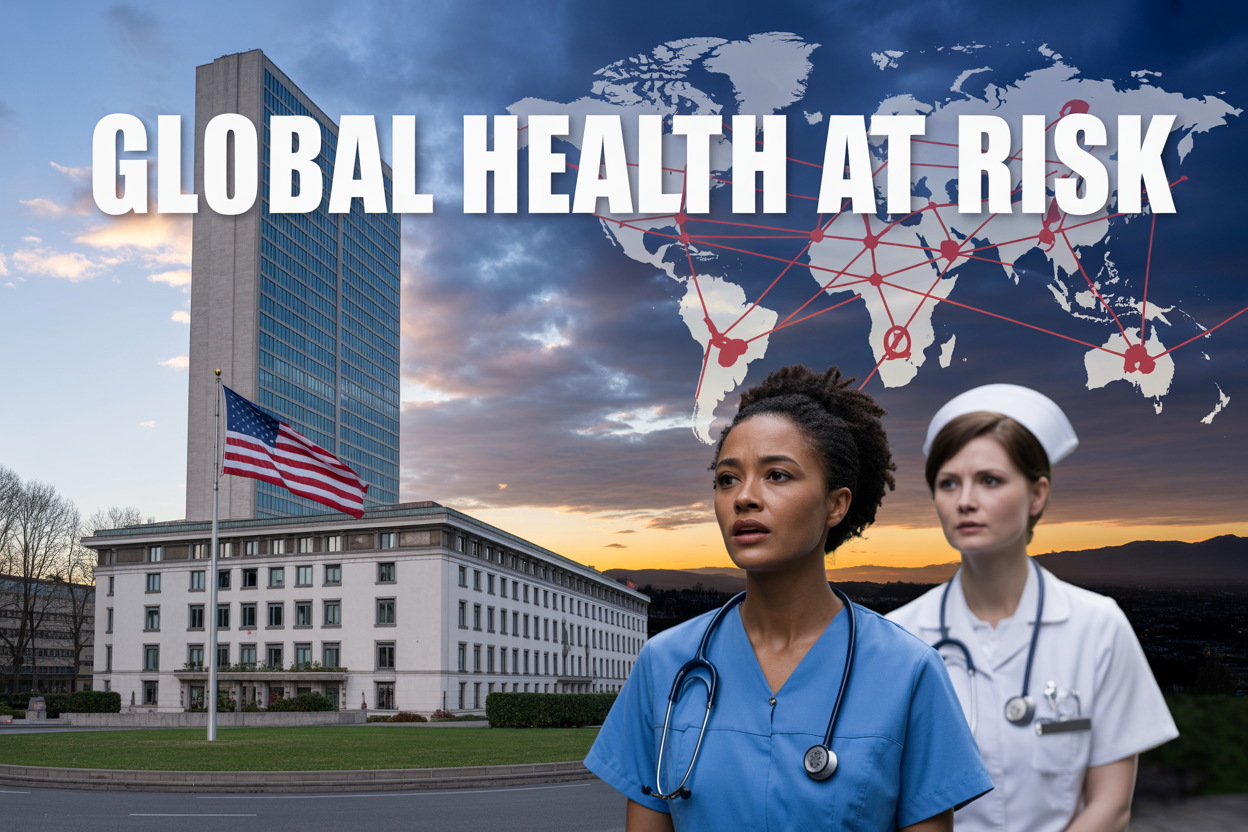
The potential US withdrawal from WHO could trigger the biggest shake-up in global health since the organization’s founding. This analysis is for policymakers, health professionals, international relations experts, and anyone concerned about America’s role in world health leadership.
When the world’s largest WHO contributor steps back, the ripple effects touch every corner of global health. A WHO funding crisis doesn’t just mean fewer resources – it fundamentally changes how we track diseases, respond to outbreaks, and protect vulnerable populations worldwide.
We’ll explore how US WHO relationship changes would immediately disrupt international disease surveillance systems that keep us safe from the next pandemic. You’ll discover the harsh reality facing developing nations when American health dollars disappear, and how global health security risks multiply when international health cooperation breaks down.
Finally, we’ll examine the long-term consequences for America itself – because walking away from global health leadership doesn’t make the US immune to global health threats. The pandemic preparedness impact could leave everyone, including Americans, more vulnerable when the next health crisis hits.
Understanding the U.S.-WHO Relationship and Current Tensions
Financial contributions that keep WHO operations running
The United States stands as the World Health Organization’s largest financial supporter, contributing approximately $1.3 billion annually through both assessed and voluntary contributions. This massive funding stream represents roughly 15-16% of WHO’s total budget, making America’s financial support absolutely critical to the organization’s day-to-day operations.
Assessed contributions work like membership dues – every WHO member country pays a predetermined amount based on their capacity to pay and UN assessment scale. The U.S. pays about $120 million in assessed contributions, representing 22% of the total assessed budget. These funds support WHO’s core functions like disease surveillance, emergency response coordination, and standard-setting activities.
Voluntary contributions tell a different story entirely. America provides over $1 billion in voluntary funding, often earmarked for specific programs and initiatives. This includes substantial support for polio eradication efforts, global health security programs, and emergency response activities. The U.S. channels these funds through various agencies including USAID, CDC, NIH, and the Department of Health and Human Services.
The financial dependency creates a complex dynamic. WHO’s ability to respond to health emergencies, maintain its workforce of over 7,000 employees worldwide, and operate country offices across 150 nations relies heavily on American dollars. Countries like Germany, the UK, and the Bill & Melinda Gates Foundation also contribute significantly, but none match the scale of U.S. financial commitment.
Leadership roles America holds in global health initiatives
American influence within WHO extends far beyond financial contributions. The U.S. holds key leadership positions and drives major policy initiatives that shape global health priorities. American experts serve on WHO’s executive board, technical advisory groups, and specialized committees that guide everything from vaccine recommendations to pandemic preparedness strategies.
The Centers for Disease Control and Prevention maintains a permanent presence at WHO headquarters in Geneva, providing technical expertise and real-time epidemiological support. This collaboration proves essential during disease outbreaks, as American scientists and public health experts work directly with WHO teams to coordinate international responses.
U.S. leadership becomes particularly visible during health emergencies. American military assets, logistics capabilities, and medical expertise often form the backbone of international relief efforts. During the 2014 Ebola outbreak in West Africa, American forces established treatment centers and provided crucial airlift capabilities that WHO coordinated but couldn’t provide independently.
The National Institutes of Health collaborates extensively with WHO on research priorities and clinical guidelines. American pharmaceutical companies, while operating commercially, often align their research and development efforts with WHO global health priorities, particularly for neglected tropical diseases and pandemic preparedness.
Policy disagreements driving withdrawal considerations
Recent tensions between the U.S. and WHO stem from several high-profile disagreements over organizational priorities, transparency, and governance. The COVID-19 pandemic response became a flashpoint, with American officials criticizing WHO’s initial handling of the outbreak and its relationship with China during the early critical weeks.
Transparency concerns top the list of American grievances. U.S. officials have repeatedly called for greater access to WHO decision-making processes and more detailed accounting of how funds are spent. The organization’s complex bureaucracy and diplomatic protocols often clash with American expectations for direct communication and rapid response.
China’s growing influence within WHO represents another source of tension. As China increases its financial contributions and expands its presence in WHO leadership positions, American policymakers worry about competing priorities and values influencing global health policies. The debate over Taiwan’s participation in WHO technical meetings exemplifies these broader geopolitical concerns.
Reform demands from Washington include calls for structural changes to WHO governance, enhanced accountability mechanisms, and revised funding models that would give major donors more direct influence over organizational priorities. These demands often conflict with WHO’s multilateral structure and the principle of one country, one vote in the World Health Assembly.
Historical precedents of international organization exits
The United States has a complex history with international organizations, sometimes stepping back from multilateral commitments when domestic priorities or policy disagreements arise. The withdrawal from UNESCO in 1984 (rejoining in 2003, then withdrawing again in 2017) demonstrates how America handles disputes with international bodies.
The Paris Climate Agreement withdrawal and subsequent rejoining illustrates how American engagement with international organizations can shift dramatically between administrations. These precedents suggest that WHO withdrawal, while unprecedented in scope and impact, would follow established patterns of American diplomatic behavior.
Brexit provides a more recent example of major powers reassessing their multilateral commitments, though the UK-EU relationship differs significantly from U.S.-WHO dynamics. The lengthy and complex process of untangling decades of institutional relationships offers insights into what WHO withdrawal might entail practically.
Other countries have reduced their engagement with specific UN agencies over policy disagreements, but none carry the financial and operational weight that American withdrawal from WHO would represent. Russia’s reduced participation in various international health initiatives following geopolitical tensions provides a smaller-scale preview of how withdrawal might unfold, though the global impact would be far more limited.
Immediate Consequences for Global Disease Surveillance
Weakened Early Warning Systems for Pandemic Threats
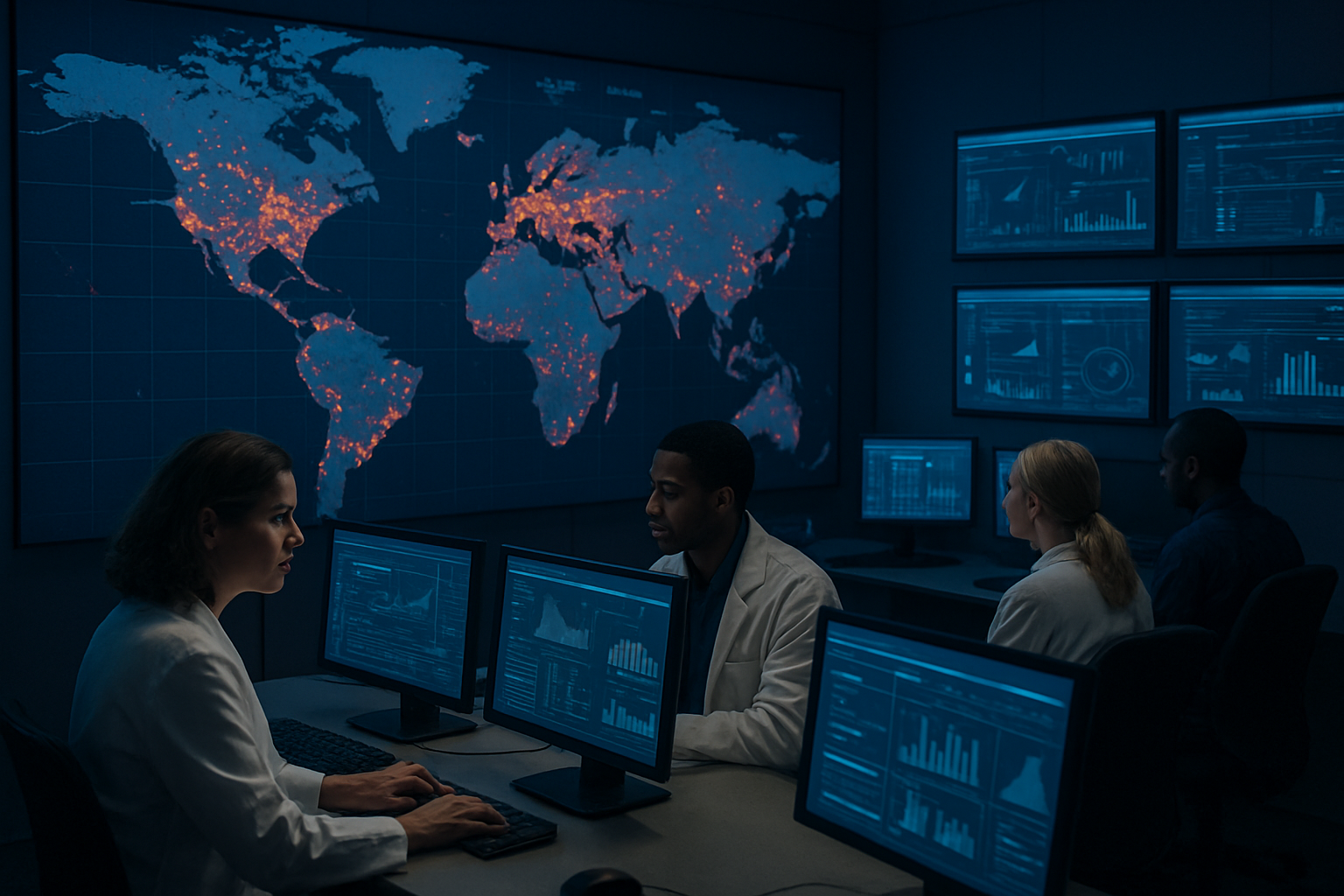
Without American funding and expertise, the WHO’s disease surveillance network would face serious gaps that could leave the world blind to emerging health threats. The U.S. contributes roughly 22% of WHO’s assessed budget and provides substantial voluntary funding for surveillance programs. This money powers critical monitoring systems like the Global Health Observatory and the Disease Outbreak News platform.
American withdrawal would create immediate holes in the global early warning infrastructure. The Centers for Disease Control and Prevention (CDC) operates field offices in over 60 countries, working closely with WHO teams to detect unusual disease patterns. These partnerships have been crucial in spotting everything from MERS outbreaks in the Middle East to Ebola cases in West Africa before they spiraled out of control.
The WHO’s Health Emergencies Programme relies heavily on American technical expertise and rapid response capabilities. U.S. epidemiologists, laboratory specialists, and data analysts form the backbone of many international surveillance missions. Losing this expertise would slow down threat assessment processes that currently take days or weeks to complete.
Regional surveillance networks would suffer particularly hard hits. Programs like the Global Influenza Surveillance and Response System depend on American laboratories and funding to track seasonal flu mutations and potential pandemic strains. Without this support, scientists might miss critical genetic changes that signal a virus is becoming more dangerous or transmissible.
Reduced Data Sharing Between Countries and Health Agencies
Data sharing forms the nervous system of global health security, and American withdrawal from WHO would severely damage these information flows. The U.S. currently shares vast amounts of health data through WHO channels, including genomic sequences, disease surveillance reports, and epidemiological intelligence that helps other countries prepare for and respond to health threats.
American health agencies maintain some of the world’s most sophisticated disease monitoring systems. The CDC’s FluView program tracks influenza activity across the United States, providing early signals about seasonal patterns that help other countries prepare their vaccination strategies. The National Institutes of Health databases contain millions of genetic sequences that researchers worldwide use to understand pathogen evolution.
Bilateral relationships might partially fill this gap, but they create an uneven patchwork of information sharing. Smaller countries with limited diplomatic reach would lose access to critical American health intelligence. Countries experiencing political tensions with the U.S. might find themselves completely cut off from valuable surveillance data.
The loss extends beyond raw data to analytical capabilities. American scientists contribute sophisticated modeling and risk assessment tools that help WHO evaluate global health threats. These analytical frameworks help determine whether a local outbreak might spread internationally or whether a new pathogen poses pandemic potential.
Private sector partnerships would also suffer. American pharmaceutical companies and biotechnology firms share research data through WHO networks, contributing to global understanding of drug resistance patterns and vaccine effectiveness. These industry connections might disappear if companies lose confidence in international health cooperation.
Compromised Response Coordination During Health Emergencies
Emergency response coordination represents one of WHO’s most critical functions, and American withdrawal would create dangerous gaps in global crisis management. The U.S. brings unmatched logistical capabilities to international health emergencies, including military transport aircraft, mobile laboratories, and specialized medical teams that can deploy within hours.
WHO’s emergency operations center relies on American intelligence and communication networks to maintain real-time contact with response teams worldwide. The U.S. military’s global communication infrastructure helps WHO coordinate complex multinational responses across different time zones and challenging geographic terrain.
American withdrawal would force WHO to rebuild its emergency response architecture around different partnerships and capabilities. European nations and emerging powers like China might step up their contributions, but they lack America’s unique combination of global reach and rapid deployment capabilities.
The impact would be most severe in Africa and other regions where American military and civilian assets currently provide critical support. During the 2014 Ebola outbreak, American military engineers built treatment centers in Liberia while CDC teams established laboratory networks across West Africa. Similar future responses would take much longer to organize without American participation.
Resource mobilization would become more difficult and expensive. The U.S. often serves as the largest single contributor to WHO emergency appeals, and American companies provide critical supplies like medical equipment and pharmaceuticals during crises. Replacing these contributions through other channels would require more time and diplomatic effort, potentially costing lives during fast-moving outbreaks.
Impact on Vulnerable Populations Worldwide
Disrupted vaccination programs in developing nations
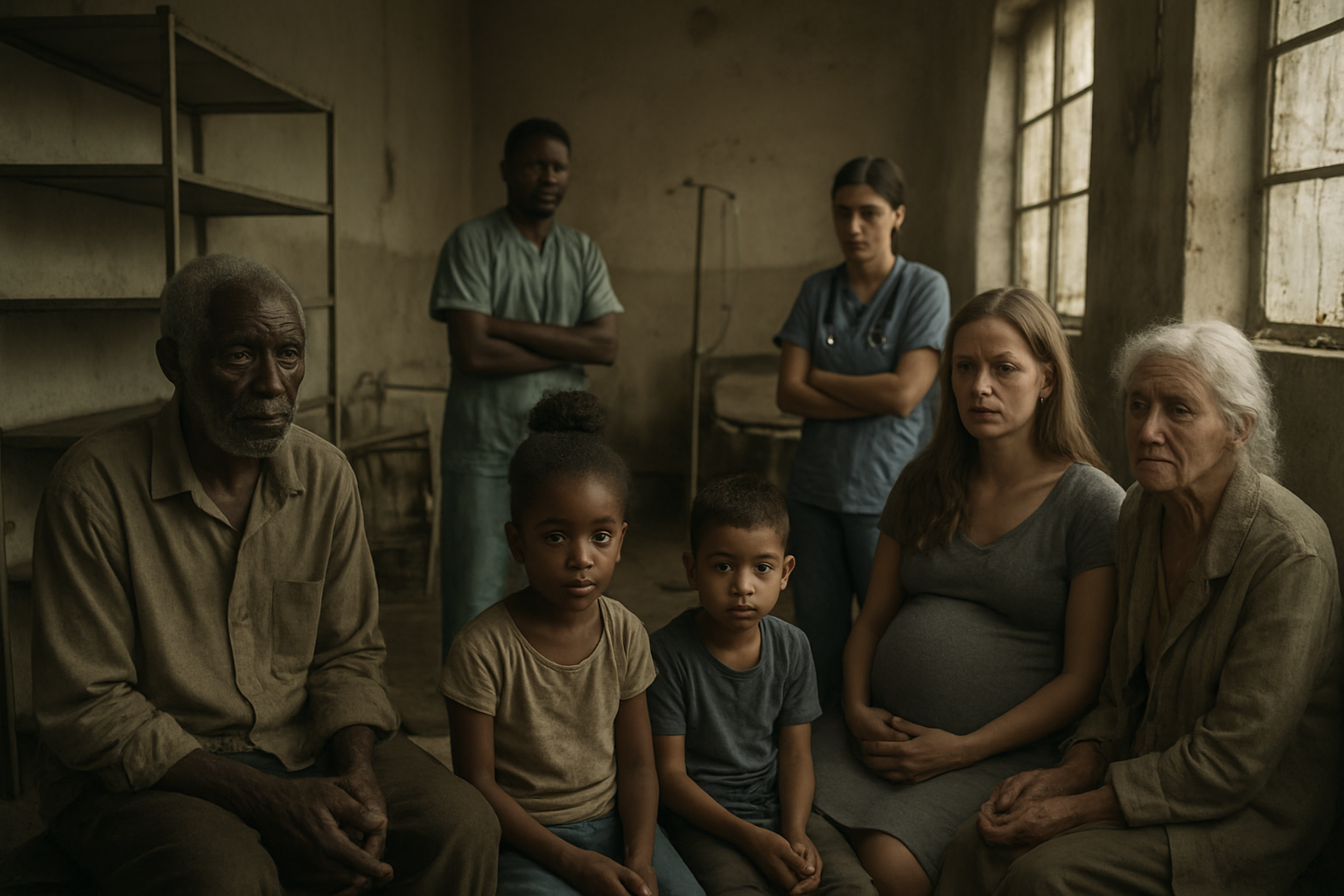
Children in the world’s poorest countries face the greatest threat when U.S. support for WHO disappears. The organization coordinates massive immunization campaigns that reach remote villages where healthcare infrastructure barely exists. Without American funding and logistical support, these programs crumble.
Take measles vaccination drives across sub-Saharan Africa. WHO typically orchestrates these campaigns by training local health workers, securing cold-chain storage for vaccines, and coordinating with governments to reach every community. When U.S. withdrawal cuts funding by nearly 22%, these operations shrink dramatically. Countries like Chad, Niger, and the Democratic Republic of Congo – already struggling with fragile health systems – suddenly can’t afford to maintain vaccination coverage.
The ripple effects hit fast. Measles outbreaks surge in unvaccinated populations, creating health emergencies that overwhelm local hospitals. Parents watch their children suffer from diseases that were nearly eliminated just years before. Health workers trained through WHO programs lose their jobs, creating brain drain that weakens healthcare delivery for generations.
Polio eradication efforts face similar devastation. The Global Polio Eradication Initiative relies heavily on WHO’s coordination and U.S. funding. Countries like Afghanistan and Pakistan – the last strongholds of wild poliovirus – see their surveillance and vaccination programs collapse. Years of progress vanish as the virus spreads unchecked into previously polio-free regions.
Reduced funding for maternal and child health initiatives
Pregnant women and newborns bear the heaviest burden when WHO’s maternal health programs lose American support. The organization runs critical initiatives that train birth attendants, improve prenatal care access, and reduce maternal mortality rates across developing nations.
WHO’s Safe Motherhood programs provide essential services in countries where giving birth remains dangerous. In places like Somalia, South Sudan, and Haiti, these programs supply clean delivery kits, train midwives, and establish emergency referral systems for complicated births. American withdrawal strips away roughly $200 million annually from these lifesaving services.
The statistics paint a grim picture. Maternal mortality rates, which dropped significantly over the past two decades, begin climbing again. Countries that made remarkable progress – like Rwanda and Ethiopia – watch their gains slip away. Women who previously accessed prenatal care through WHO-supported clinics suddenly have nowhere to turn.
Newborn health suffers equally. WHO’s programs provide vaccines for infants, treat malnutrition, and support breastfeeding initiatives. When these services disappear, infant mortality rates spike. Simple interventions that prevent deaths from pneumonia, diarrhea, and birth complications become unavailable to families who need them most.
Weakened support for refugee and crisis-affected communities
Refugee camps and conflict zones depend almost entirely on WHO’s emergency health responses. These vulnerable populations – already displaced from their homes – lose their primary source of medical care when American support disappears.
Syrian refugees scattered across Jordan, Lebanon, and Turkey rely on WHO-coordinated health services for everything from chronic disease management to mental health support. The organization operates mobile clinics, manages pharmaceutical supplies, and coordinates with host governments to ensure refugees receive care. Without U.S. backing, these services evaporate.
Crisis-affected communities face similar abandonment. When natural disasters strike or conflicts erupt, WHO typically deploys rapid response teams within hours. These teams provide emergency medical supplies, set up field hospitals, and coordinate international health assistance. American withdrawal cripples this rapid response capability.
The human cost becomes visible immediately. Cholera outbreaks in refugee camps go untreated. Diabetic refugees can’t access insulin. Pregnant women in crisis zones deliver without medical assistance. Children with treatable conditions die from lack of basic interventions.
Limited access to essential medicines and medical supplies
WHO’s essential medicines program ensures that life-saving drugs reach the world’s poorest populations at affordable prices. This system collapses when American funding and political support disappear, leaving millions without access to basic treatments.
The organization negotiates bulk purchasing agreements that make expensive medications affordable for developing countries. HIV antiretrovirals, tuberculosis treatments, and cancer medications become accessible through these programs. Countries like Malawi, Tanzania, and Mozambique depend on WHO’s procurement systems to supply their national health programs.
Supply chains that took decades to build unravel quickly. Pharmaceutical companies lose incentives to maintain production of essential but unprofitable medicines. Generic drug manufacturers in India and China redirect their focus toward more lucrative markets. Countries that depended on WHO’s supply networks suddenly face critical shortages.
The impact spreads beyond medicines to medical equipment and supplies. Diagnostic tools, surgical instruments, and basic medical supplies become scarce in countries that can least afford to source them independently. Rural hospitals and clinics that relied on WHO’s distribution networks close their doors, leaving entire regions without healthcare access.
Economic Ripple Effects Across Healthcare Systems
Increased Healthcare Costs for Remaining Member Countries
When the U.S. stops funding WHO, the financial burden doesn’t just disappear. Other member countries face a harsh reality: someone has to pick up the tab. With America historically contributing around 15-20% of WHO’s total budget through assessed and voluntary contributions, the sudden gap creates immediate pressure on remaining nations.
Countries like Germany, Japan, and the UK would likely shoulder much of the increased financial responsibility. This means their healthcare ministries must redirect funds originally planned for domestic programs toward international obligations. Imagine having to choose between upgrading your own hospitals and keeping global health programs running – that’s the dilemma facing health ministers worldwide.
The ripple effect hits developing nations particularly hard. Many low-income countries rely on WHO programs for basic health infrastructure. When funding shrinks, these programs either scale back or disappear entirely. Countries then face the impossible choice of either increasing their own contributions (money they often don’t have) or watching their citizens lose access to essential health services.
Regional health organizations also feel the squeeze. The Pan American Health Organization, WHO’s regional office for the Americas, would lose significant support without U.S. backing. This forces Latin American countries to either increase their contributions or accept reduced services in disease surveillance, emergency response, and health system strengthening.
Disrupted Global Supply Chains for Medical Equipment
Medical supply chains operate like a complex web, and U.S. withdrawal from WHO would send shockwaves through this network. WHO plays a crucial role in coordinating global procurement, standardizing equipment specifications, and ensuring equitable distribution during emergencies.
Without WHO’s coordinating role, countries would scramble to establish bilateral agreements for medical supplies. This fragmentation leads to inefficiencies, higher costs, and dangerous shortages during health crises. Remember the early days of COVID-19 when countries competed fiercely for ventilators and personal protective equipment? That chaos would become the norm rather than the exception.
The standardization of medical equipment would suffer dramatically. WHO currently maintains international standards for everything from vaccines to diagnostic tests. Without American participation and funding, these standards become harder to maintain and enforce. Countries might develop incompatible systems, making it difficult to share resources during emergencies.
Manufacturing hubs in countries like China, India, and Germany would face uncertainty about demand patterns. WHO currently helps predict global needs for medical supplies, but without comprehensive participation, these forecasts become unreliable. Manufacturers might overproduce some items while underproducing others, creating waste and shortages simultaneously.
Emergency stockpiles would become nationally focused rather than globally coordinated. Countries would hoard supplies for their own populations, making it harder to respond quickly to outbreaks in other regions. This hoarding mentality ultimately makes everyone less safe, as diseases don’t respect borders.
Reduced Investment in Health Research and Development
Global health research thrives on collaboration, and WHO serves as a critical hub for coordinating international research efforts. American withdrawal would fragment this ecosystem, leading to duplicated efforts, wasted resources, and slower scientific progress.
The impact on disease surveillance research would be immediate. WHO currently coordinates global networks that track disease patterns, antimicrobial resistance, and emerging health threats. Without U.S. participation and data sharing, these systems would develop blind spots, making it harder to detect and respond to new health threats.
Pharmaceutical companies would face increased uncertainty about global regulatory standards. WHO’s prequalification program helps ensure that medicines meet international standards, giving companies confidence to invest in research for global markets. Without robust WHO oversight, companies might become more cautious about investing in treatments for diseases that primarily affect developing countries.
Academic research partnerships would suffer as funding becomes more fragmented. Many international research collaborations depend on WHO’s coordinating role and its ability to facilitate data sharing across borders. Universities and research institutions would struggle to maintain global partnerships, potentially slowing breakthrough discoveries in areas like vaccine development and infectious disease treatment.
The development of health technologies for low-resource settings would particularly suffer. These innovations often require international coordination and funding that WHO helps facilitate. Without this support system, promising technologies might never reach the populations that need them most, widening global health disparities even further.
Geopolitical Shifts in Global Health Leadership
China’s expanded influence in international health governance
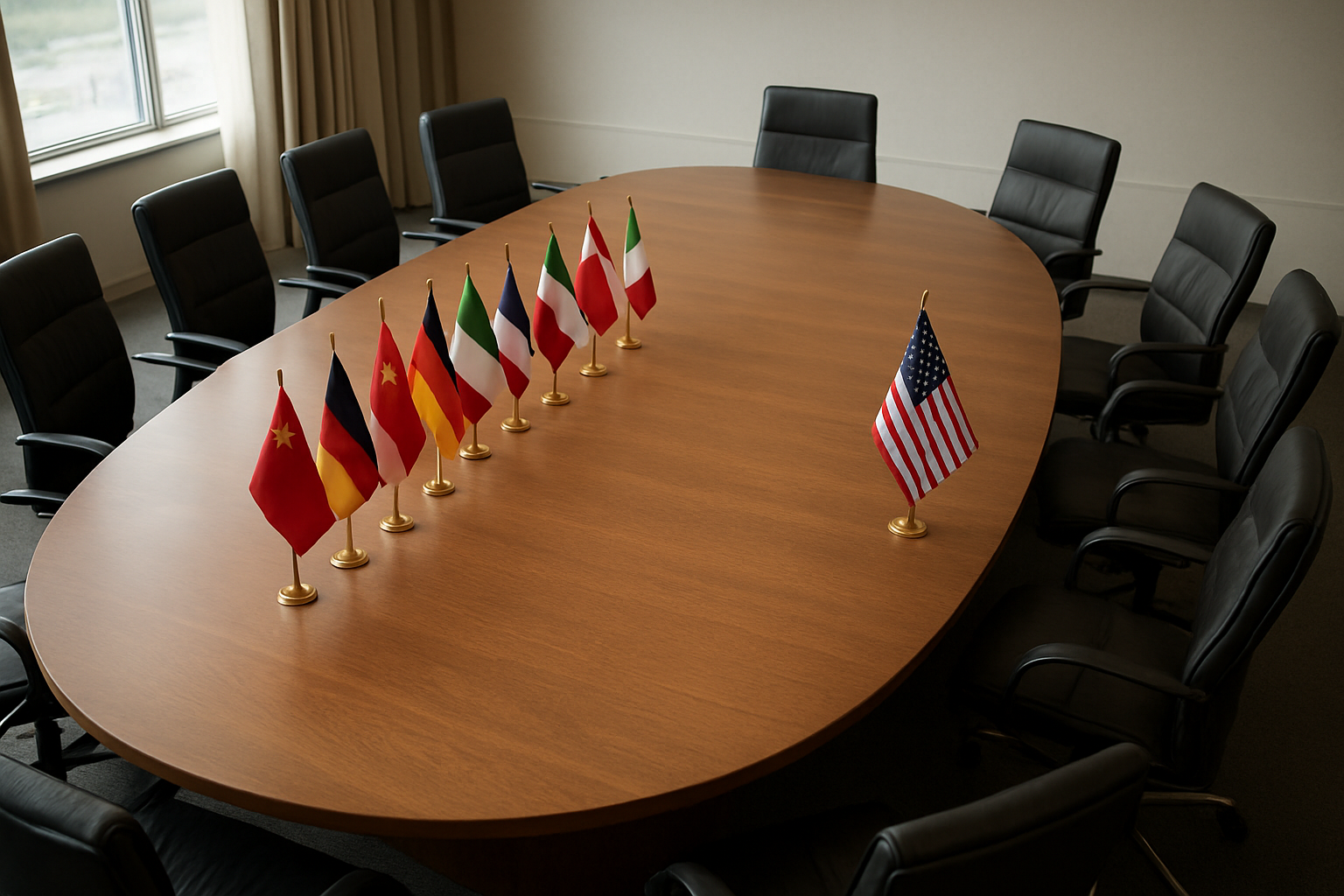
With America potentially stepping back from WHO leadership, China stands ready to fill the vacuum. Beijing has already increased its contributions to WHO from $86 million in 2014 to over $230 million by 2022, positioning itself as the organization’s second-largest state contributor after the U.S.
Chinese health diplomacy operates differently than American approaches. While the U.S. traditionally emphasized disease surveillance and emergency response, China focuses on infrastructure development through its Health Silk Road initiative. This program has delivered medical supplies, built hospitals, and trained healthcare workers across 86 countries, creating lasting relationships that translate into political influence.
The Chinese model prioritizes bilateral partnerships over multilateral frameworks. During COVID-19, China distributed vaccines through direct country-to-country deals rather than WHO’s COVAX facility, allowing Beijing to shape health policies in recipient nations. This approach gives China more direct control over health governance decisions and reduces reliance on Western-dominated institutions.
China’s technological advantages in areas like AI-driven disease monitoring and digital health platforms create new standards that other countries adopt. When nations implement Chinese health technologies, they become dependent on Chinese technical support and data systems, creating long-term influence relationships.
European Union’s enhanced role in filling leadership gaps
European nations possess the resources and expertise to expand their WHO involvement significantly. The EU collectively contributes more to global health initiatives than any other bloc, with Germany, France, and the UK among the top ten WHO contributors.
European health leadership differs markedly from both American and Chinese approaches. EU countries emphasize universal health coverage, preventive care, and social determinants of health. This philosophy aligns with WHO’s constitutional mandate better than market-driven American models or state-controlled Chinese systems.
The European Medicines Agency and European Centre for Disease Prevention and Control have already demonstrated their capacity to coordinate complex international health responses. During COVID-19, these institutions managed vaccine approvals and disease surveillance across 27 countries with different languages, healthcare systems, and political structures.
Brussels has signaled willingness to increase WHO funding and technical support. European Commission President Ursula von der Leyen has repeatedly called for strengthening multilateral health institutions, viewing them as essential for European security and economic stability.
Emerging alliances between non-U.S. health organizations
New partnerships are forming outside traditional American-led frameworks. The BRICS nations (Brazil, Russia, India, China, South Africa) have created their own vaccine development consortium, reducing dependence on Western pharmaceutical companies and regulatory agencies.
Regional health organizations are gaining prominence. The African Union’s Africa Centres for Disease Control and Prevention has emerged as a major player, coordinating pandemic responses across 55 countries. Similar organizations in Southeast Asia, Latin America, and the Middle East are expanding their roles.
These new alliances often exclude American institutions by design. The Coalition for Epidemic Preparedness Innovations, initially supported by U.S. funding, now receives most of its resources from European governments and private foundations, reducing American influence over its priorities.
Private sector partnerships are also shifting. Chinese pharmaceutical companies are forming joint ventures with Indian manufacturers and European research institutions, creating supply chains that bypass American companies and regulatory oversight.
Potential fragmentation of global health standards
Without unified American leadership, global health standards risk becoming fragmented along geopolitical lines. Different regions may adopt incompatible approaches to disease surveillance, vaccine approval, and emergency response protocols.
China promotes standards based on traditional Chinese medicine alongside Western approaches, creating parallel systems that may not communicate effectively. European standards emphasize patient privacy and informed consent more strictly than other regions, potentially limiting data sharing during health emergencies.
This fragmentation could create dangerous gaps in global disease monitoring. If different regions use incompatible reporting systems or diagnostic criteria, emerging health threats might go undetected until they spread widely. The COVID-19 pandemic demonstrated how quickly local health problems become global crises.
Regulatory differences could also slow vaccine and treatment development. If American, Chinese, and European approval processes diverge significantly, pharmaceutical companies may need to develop different products for different markets, increasing costs and delays. Countries caught between competing standards may struggle to access life-saving treatments approved in some regions but not others.
Long-term Risks to International Health Security
Slower response times to future pandemic threats
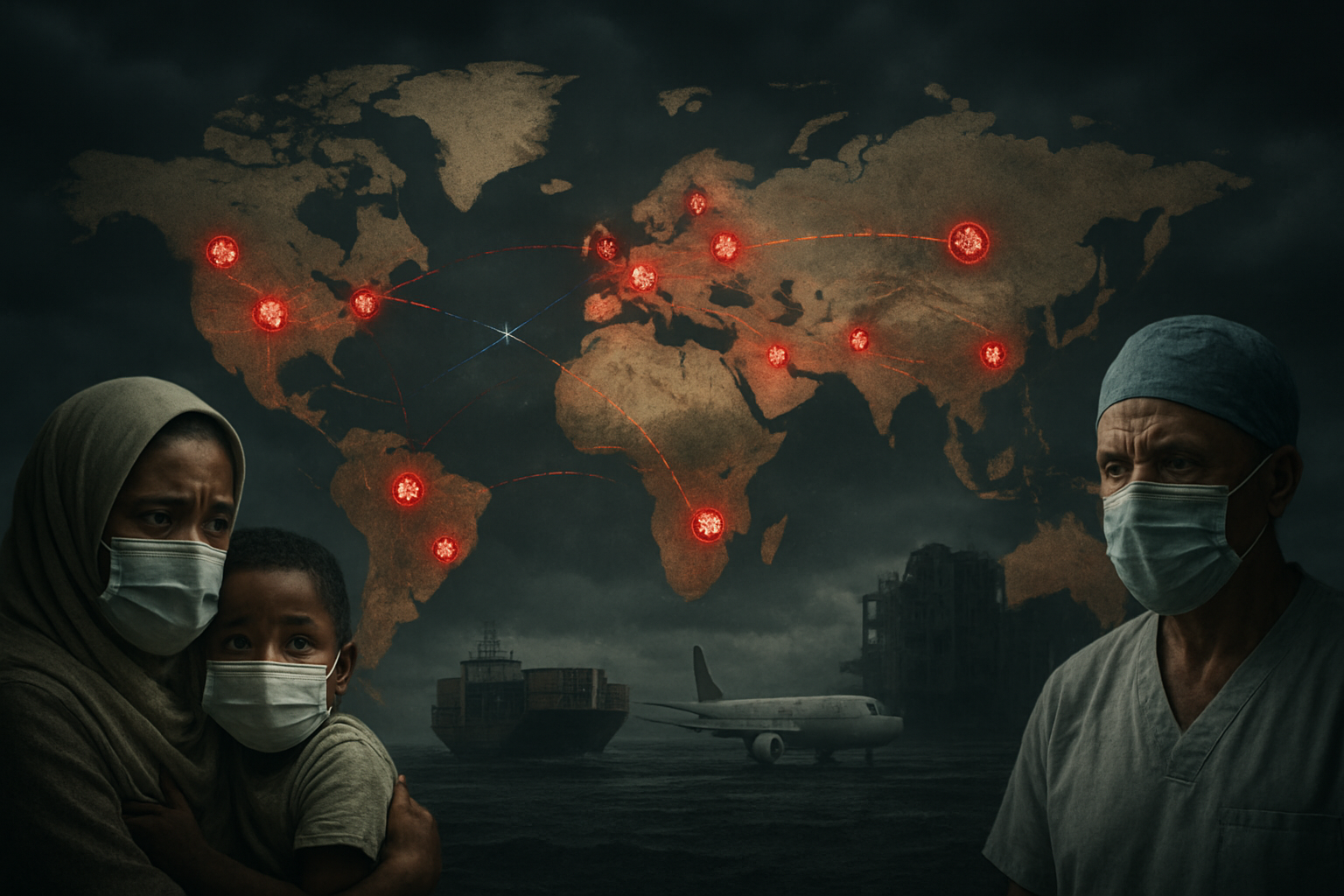
Picture this: a mysterious respiratory illness starts spreading in a remote corner of Southeast Asia. In our current system, local health officials would immediately alert WHO, which would coordinate with international partners to verify the threat, share genetic sequences, and mobilize resources within days. Without U.S. participation, this entire machinery slows to a crawl.
The speed of pandemic response isn’t just about having good intentions—it’s about having the infrastructure, funding, and expertise ready to deploy at a moment’s notice. The U.S. provides roughly 22% of WHO’s total budget and houses some of the world’s most advanced disease surveillance systems. When America steps back, the global health network loses its biggest engine.
Consider how COVID-19 unfolded. Even with full international cooperation, the virus had already spread across continents before effective countermeasures kicked in. Now imagine that same scenario with fractured communication channels, reduced funding for early warning systems, and key players sitting on the sidelines. The window for containing a future pandemic shrinks from weeks to days, or possibly disappears entirely.
The ripple effects go beyond just WHO operations. American institutions like the CDC and NIH serve as crucial hubs in the global disease intelligence network. Their laboratories can process thousands of samples and share results with partner countries within hours. Without this capacity integrated into international efforts, other nations must scramble to fill gaps that may never be adequately covered.
Inconsistent global health policies and protocols
Health emergencies don’t respect borders, but without coordinated leadership, responses become a patchwork of conflicting approaches. The U.S. withdrawal from WHO creates a vacuum where different regions might adopt incompatible strategies, making global coordination nearly impossible.
Think about vaccine development and distribution during the next health crisis. Right now, WHO helps establish safety standards, coordinates clinical trials across multiple countries, and ensures equitable distribution frameworks. Without American participation, we could see competing standards emerge—perhaps one set of protocols championed by European nations, another by China, and isolated approaches from countries trying to go it alone.
This fragmentation becomes dangerous when dealing with cross-border health threats. Imagine trying to track a disease outbreak when different countries use incompatible data systems, follow different case definitions, or implement conflicting quarantine measures. Air travel continues, trade flows persist, but the coordination needed to manage these connections falls apart.
The situation gets even messier when emergency medications or treatments need approval. Currently, WHO’s emergency use listings help streamline the process for getting life-saving interventions to people quickly. Without unified standards, pharmaceutical companies might face a maze of conflicting requirements, delaying access to critical treatments in the countries that need them most.
Reduced capacity for cross-border health collaboration
Medical expertise doesn’t magically appear when crises hit—it comes from years of building relationships, sharing knowledge, and working together on smaller challenges. When the U.S. steps away from WHO, these professional networks start to atrophy.
American medical schools, research institutions, and public health agencies currently train thousands of international health workers each year. These professionals return to their home countries with shared knowledge and direct connections to American expertise. Break those formal ties, and suddenly Bangladesh has fewer channels to quickly consult with disease experts in Atlanta, or Kenya can’t easily access specialized laboratory techniques developed in American universities.
Research collaboration suffers too. Major health breakthroughs often require pooling data and expertise from multiple countries. The databases that track disease patterns, the networks that share biological samples, the joint research projects that develop new treatments—all of these depend on trust and formal cooperation agreements that WHO helps facilitate and maintain.
Perhaps most critically, the informal networks that make emergency response possible begin to weaken. When a health minister in Peru needs to quickly reach colleagues who’ve dealt with similar outbreaks, or when a laboratory in Nigeria requires specialized reagents that only certain facilities produce, these requests currently flow through established channels. Without those channels, every emergency becomes an exercise in reinventing communication pathways under pressure.
The technical assistance that helps smaller countries build their own health security capabilities also diminishes. Instead of coordinated capacity-building efforts, we see fragmented programs with competing priorities and reduced overall impact.

The U.S. stepping back from the WHO would create a domino effect that reaches far beyond American borders. Developing countries would lose critical funding and expertise, disease surveillance systems would develop dangerous gaps, and millions of vulnerable people would face reduced access to life-saving programs. The economic costs would ripple through healthcare systems worldwide, while other nations scramble to fill the leadership vacuum left behind.
This isn’t just about global politics – it’s about real people facing real health crises. When the next pandemic hits, or when disease outbreaks threaten to cross borders, the fragmented response could put everyone at risk, including Americans. The smart move is staying engaged and working to reform the WHO from within, not walking away when global health cooperation matters more than ever.