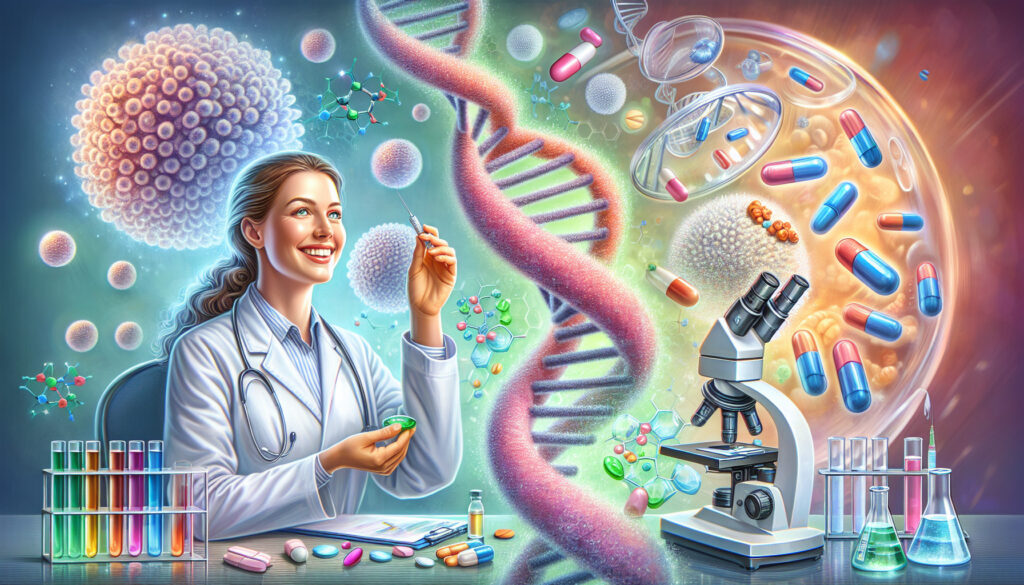
Imagine a world where doctors can predict your health risks before symptoms appear, tailor treatments to your unique genetic makeup, and cure diseases once thought incurable. This isn’t science fiction—it’s the promise of genomic medicine, a groundbreaking field that’s revolutionizing healthcare as we know it. 🧬🔬
Have you ever wondered why some medications work wonders for some people but not for others? Or why certain diseases run in families? Genomic medicine holds the key to these mysteries and more. By decoding the human genome, scientists and healthcare professionals are unlocking unprecedented insights into our health, paving the way for personalized treatments and targeted therapies that could save countless lives.
As we delve into the fascinating world of genomic medicine, we’ll explore its foundations, recent breakthroughs, real-world applications, and the ethical considerations that come with this powerful technology. From understanding the basics to glimpsing the future of healthcare, join us on a journey through the cutting-edge science that’s pioneering hope for better treatments and healthier lives. 🌟💊

Understanding Genomic Medicine
As we delve into the world of genomic medicine, we’ll explore how this revolutionary field is transforming healthcare and offering new hope for personalized treatments. Genomic medicine represents a paradigm shift in how we approach diagnosis, treatment, and prevention of diseases.
A. Decoding the Human Genome
The foundation of genomic medicine lies in our ability to decode and understand the human genome. The Human Genome Project, completed in 2003, marked a significant milestone in this journey. This international scientific research project successfully mapped and sequenced all human genes, providing a blueprint of our genetic makeup.
DNA sequencing technologies have advanced rapidly since then, becoming faster, more accurate, and more affordable. Today, we can sequence an individual’s entire genome in a matter of days, a process that once took years and billions of dollars.
Key Milestones in Genome Sequencing:
- 2003: Human Genome Project completed
- 2008: First individual genome sequenced for less than $1 million
- 2014: $1000 genome becomes a reality
- 2020: Nanopore sequencing enables real-time DNA analysis
This ability to rapidly decode genetic information has opened up new avenues for understanding diseases at a molecular level and developing targeted therapies.
B. Personalized Treatment Approach
Genomic medicine enables a personalized approach to healthcare, moving away from the traditional “one-size-fits-all” model. By analyzing an individual’s genetic profile, healthcare providers can:
- Predict disease susceptibility
- Diagnose conditions more accurately
- Select the most effective treatments
- Minimize adverse drug reactions
This personalized approach, also known as precision medicine, takes into account a person’s genetic makeup, lifestyle, and environment to tailor medical care.
| Traditional Medicine | Genomic Medicine |
|---|---|
| Reactive | Proactive |
| Symptom-based | Cause-based |
| Trial and error | Data-driven |
| Population-focused | Individual-focused |
C. Tailoring Therapies to Genetic Profiles
One of the most exciting aspects of genomic medicine is the ability to tailor therapies based on an individual’s genetic profile. This approach is particularly promising in the field of oncology, where cancer treatments can be customized based on the genetic mutations driving a patient’s specific tumor.
Examples of Tailored Therapies:
- Pharmacogenomics: This field studies how genetic variations affect drug responses. By analyzing a patient’s genetic profile, doctors can predict which medications will be most effective and least likely to cause side effects.
- Targeted Cancer Therapies: These drugs target specific genetic mutations found in cancer cells. For example, Herceptin targets HER2-positive breast cancers, while Gleevec is effective against chronic myeloid leukemia with a specific genetic mutation.
- Gene Therapy: This innovative approach involves modifying or replacing faulty genes to treat or prevent disease. Recent breakthroughs in gene therapy have shown promise for conditions like sickle cell disease and certain types of blindness.
- CAR-T Cell Therapy: This immunotherapy technique involves genetically modifying a patient’s T cells to recognize and attack cancer cells. It has shown remarkable success in treating certain blood cancers.
D. Revolutionizing Disease Prevention
Genomic medicine is not just transforming treatment; it’s also revolutionizing disease prevention. By identifying genetic predispositions to certain diseases, healthcare providers can implement targeted prevention strategies long before symptoms appear.
Key Areas of Impact in Disease Prevention:
- Risk Assessment: Genetic testing can reveal increased risks for conditions like breast cancer, heart disease, or Alzheimer’s, allowing for early interventions and lifestyle modifications.
- Newborn Screening: Expanded genomic screening for newborns can detect a wider range of genetic disorders, enabling early treatment and improved outcomes.
- Carrier Testing: Genetic testing can identify individuals who carry genes for inherited disorders, informing family planning decisions.
- Pharmacogenomic Screening: This can help prevent adverse drug reactions by identifying genetic variations that affect drug metabolism.
The preventive aspect of genomic medicine holds enormous potential for improving public health and reducing healthcare costs. By focusing on prevention rather than treatment, we can potentially avoid or delay the onset of many chronic diseases.
As we move forward, the integration of genomic data with other health information, such as lifestyle factors and environmental exposures, will provide an even more comprehensive picture of an individual’s health risks and opportunities for prevention.
The field of genomic medicine is rapidly evolving, offering unprecedented opportunities for improving human health. From decoding the human genome to tailoring therapies and revolutionizing disease prevention, genomic medicine is ushering in a new era of healthcare. As we continue to unlock the secrets hidden in our DNA, we’re moving closer to a future where medical treatments are not just personalized, but truly individualized.
In the next section, we’ll explore some of the groundbreaking research and recent breakthroughs that are pushing the boundaries of genomic medicine even further.

Breakthroughs in Genomic Research
Now that we understand the basics of genomic medicine, let’s explore the groundbreaking discoveries that have propelled this field forward. Genomic research has made incredible strides in recent years, revolutionizing our approach to healthcare and opening up new possibilities for personalized treatments.
A. Identifying Disease-Causing Genes
One of the most significant breakthroughs in genomic research has been the ability to identify specific genes associated with various diseases. This process, known as gene mapping, has provided invaluable insights into the genetic basis of both rare and common disorders.
Genome-Wide Association Studies (GWAS)
Genome-wide association studies have been instrumental in uncovering genetic variants linked to complex diseases. These large-scale studies compare the genomes of individuals with and without a particular condition to identify common genetic variations that may contribute to the disease.
| Advantages of GWAS | Limitations of GWAS |
|---|---|
| Identifies multiple genetic risk factors | May not capture rare genetic variants |
| Unbiased approach to gene discovery | Requires large sample sizes |
| Provides insights into disease mechanisms | Does not prove causality |
| Helps develop risk prediction models | May not fully explain heritability |
Next-Generation Sequencing (NGS)
The advent of next-generation sequencing technologies has dramatically accelerated the pace of gene discovery. NGS allows researchers to quickly and cost-effectively sequence entire genomes or specific regions of interest, enabling the identification of rare genetic variants that may be missed by other methods.
- Whole Genome Sequencing (WGS): Provides a comprehensive view of an individual’s entire genetic makeup
- Whole Exome Sequencing (WES): Focuses on protein-coding regions, which are more likely to contain disease-causing mutations
- Targeted Panel Sequencing: Examines specific genes or regions known to be associated with particular diseases
B. Developing Targeted Therapies
The identification of disease-causing genes has paved the way for the development of targeted therapies, also known as precision medicine. These treatments are designed to address the specific genetic alterations underlying a patient’s condition, offering more effective and less toxic alternatives to traditional approaches.
Gene Therapy
Gene therapy is a promising approach that aims to treat or prevent diseases by modifying a patient’s genetic material. Recent advances in gene editing technologies, such as CRISPR-Cas9, have made this once-futuristic concept a reality.
Some notable gene therapy breakthroughs include:
- Luxturna: The first FDA-approved gene therapy for a genetic disease, treating a rare form of inherited blindness
- CAR-T cell therapy: A revolutionary treatment for certain types of blood cancers that genetically modifies a patient’s immune cells to target cancer cells
- Zolgensma: A one-time gene therapy treatment for spinal muscular atrophy, a devastating neuromuscular disorder
Small Molecule Inhibitors
Genomic research has also led to the development of small molecule inhibitors that target specific genetic alterations in cancer and other diseases. These drugs are designed to interfere with the abnormal proteins produced by mutated genes, effectively halting disease progression.
Examples of successful targeted therapies include:
- Imatinib (Gleevec) for chronic myeloid leukemia
- Vemurafenib for BRAF-mutated melanoma
- Osimertinib for EGFR-mutated non-small cell lung cancer
C. Predicting Drug Responses
Another significant breakthrough in genomic research is the ability to predict how individual patients will respond to specific medications. This field, known as pharmacogenomics, combines genomic information with pharmacology to optimize drug selection and dosing.
Personalized Drug Prescribing
By analyzing a patient’s genetic profile, healthcare providers can:
- Choose the most effective medication for an individual
- Determine the optimal dosage
- Avoid potentially harmful drug interactions
- Minimize adverse reactions
| Benefits of Pharmacogenomics | Examples |
|---|---|
| Improved treatment efficacy | Selecting the most effective antidepressant based on genetic markers |
| Reduced side effects | Avoiding severe reactions to certain antibiotics |
| Cost-effective healthcare | Preventing ineffective treatments and hospitalizations |
| Enhanced patient safety | Adjusting warfarin dosage based on genetic factors |
Cancer Treatment Optimization
Genomic profiling of tumors has revolutionized cancer treatment by allowing oncologists to tailor therapies to the specific genetic alterations driving an individual’s cancer. This approach, often referred to as precision oncology, has led to remarkable improvements in treatment outcomes for many cancer types.
Key advances in precision oncology include:
- Liquid biopsies: Non-invasive blood tests that can detect circulating tumor DNA, providing real-time information about a cancer’s genetic profile
- Basket trials: Clinical trials that group patients based on shared genetic mutations rather than cancer type, allowing for more targeted treatment approaches
- Adaptive clinical trial designs: Studies that evolve based on accumulating data, enabling rapid identification of effective treatments for specific genetic subgroups
D. Enhancing Early Diagnosis
Genomic research has also made significant strides in improving early disease detection and diagnosis, potentially leading to better outcomes through timely interventions.
Prenatal and Newborn Screening
Advances in genomic technologies have expanded the scope of prenatal and newborn screening programs, allowing for the early detection of a wide range of genetic disorders. Non-invasive prenatal testing (NIPT) can now screen for chromosomal abnormalities using cell-free fetal DNA in maternal blood, while expanded newborn screening panels can identify dozens of rare but treatable genetic conditions.
Cancer Early Detection
Genomic approaches are revolutionizing cancer screening and early detection efforts. Some promising developments include:
- Multi-cancer early detection tests: Blood-based tests that can screen for multiple cancer types simultaneously by detecting cancer-specific genetic and epigenetic markers
- Circulating tumor DNA (ctDNA) analysis: Highly sensitive techniques for detecting minute amounts of tumor DNA in blood, potentially enabling earlier cancer diagnosis and monitoring
- Risk stratification models: Combining genetic risk factors with traditional risk assessment tools to identify individuals at high risk for specific cancers
As we move forward, these breakthroughs in genomic research continue to transform our understanding of human health and disease. The ability to identify disease-causing genes, develop targeted therapies, predict drug responses, and enhance early diagnosis represents a paradigm shift in healthcare. In the next section, we’ll explore how these genomic medicine advancements are being applied in clinical practice, bringing the promise of personalized medicine closer to reality for patients worldwide.

Genomic Medicine in Practice
Now that we understand the basics of genomic medicine and its recent breakthroughs, let’s explore how this revolutionary field is being applied in real-world healthcare settings. Genomic medicine is transforming patient care across various medical specialties, offering hope for more effective and personalized treatments.
A. Cancer Treatment Advancements
Genomic medicine has revolutionized cancer diagnosis and treatment, ushering in a new era of precision oncology. By analyzing the genetic profile of tumors, oncologists can now tailor treatments to target specific genetic mutations driving cancer growth.
Targeted Therapies
One of the most significant advancements in cancer treatment is the development of targeted therapies. These drugs are designed to attack cancer cells with specific genetic alterations, minimizing damage to healthy cells and reducing side effects. For example:
- EGFR inhibitors for lung cancer patients with EGFR mutations
- BRAF inhibitors for melanoma patients with BRAF V600 mutations
- HER2-targeted therapies for HER2-positive breast cancer
Immunotherapy
Genomic profiling also plays a crucial role in immunotherapy, helping to identify patients who are more likely to respond to immune checkpoint inhibitors. For instance, tumors with high microsatellite instability (MSI-H) or mismatch repair deficiency (dMMR) are often more responsive to immunotherapy treatments.
Liquid Biopsies
Advancements in genomic medicine have led to the development of liquid biopsies, which can detect circulating tumor DNA in blood samples. This non-invasive technique allows for:
- Early cancer detection
- Monitoring treatment response
- Identifying drug resistance mechanisms
| Traditional Biopsy | Liquid Biopsy |
|---|---|
| Invasive procedure | Non-invasive blood test |
| Limited to accessible tumors | Can detect multiple tumor types |
| Single snapshot of tumor | Allows for real-time monitoring |
| May miss tumor heterogeneity | Captures tumor heterogeneity |
B. Rare Disease Diagnosis
Genomic medicine has been a game-changer in the diagnosis of rare diseases, many of which are genetic in origin. Whole genome sequencing (WGS) and whole exome sequencing (WES) have dramatically improved diagnostic rates for patients with undiagnosed conditions.
Diagnostic Odyssey
For patients with rare diseases, the journey to a diagnosis can be long and frustrating. Genomic testing can significantly shorten this “diagnostic odyssey” by:
- Identifying causative genetic variants
- Ruling out potential diagnoses
- Guiding further targeted testing
Newborn Screening
Genomic sequencing is expanding the scope of newborn screening programs, allowing for the early detection and treatment of rare genetic disorders. This can prevent or mitigate severe health complications and improve long-term outcomes for affected infants.
C. Pharmacogenomics for Drug Efficacy
Pharmacogenomics, the study of how genes affect a person’s response to drugs, is a key application of genomic medicine in clinical practice. By analyzing a patient’s genetic profile, healthcare providers can:
- Predict drug efficacy
- Anticipate adverse reactions
- Optimize dosing
Personalized Prescribing
Pharmacogenomic testing is becoming increasingly common in various medical fields:
- Psychiatry: Guiding antidepressant and antipsychotic medication choices
- Cardiology: Determining warfarin dosing based on genetic variants
- Oncology: Predicting chemotherapy toxicity and efficacy
Reducing Adverse Drug Reactions
By identifying genetic variants associated with drug metabolism and toxicity, pharmacogenomics can help prevent adverse drug reactions, which are a significant cause of hospital admissions and healthcare costs.
| Traditional Prescribing | Pharmacogenomic Prescribing |
|---|---|
| One-size-fits-all approach | Personalized medication selection |
| Trial-and-error dosing | Genetically guided dosing |
| Higher risk of adverse reactions | Reduced risk of adverse reactions |
| Potentially ineffective treatments | Improved treatment efficacy |
D. Prenatal and Newborn Screening
Genomic medicine has significantly enhanced prenatal and newborn screening capabilities, allowing for earlier detection and intervention for genetic disorders.
Non-Invasive Prenatal Testing (NIPT)
NIPT uses cell-free fetal DNA in maternal blood to screen for chromosomal abnormalities with high accuracy and low risk. This test can detect conditions such as:
- Down syndrome (Trisomy 21)
- Edwards syndrome (Trisomy 18)
- Patau syndrome (Trisomy 13)
Expanded Carrier Screening
Genomic testing allows couples to undergo expanded carrier screening, which can identify carriers of genetic disorders before or during pregnancy. This information enables informed family planning decisions and early intervention when necessary.
Comprehensive Newborn Screening
Genomic sequencing is expanding traditional newborn screening programs, allowing for the detection of a broader range of genetic conditions. This enables early intervention and treatment, potentially preventing severe complications or developmental delays.
E. Managing Inherited Disorders
Genomic medicine plays a crucial role in the management of inherited disorders, from diagnosis to treatment and ongoing care.
Precision Diagnosis
Advanced genomic testing techniques, such as WGS and WES, can provide precise diagnoses for inherited disorders, even in cases where traditional genetic testing has been inconclusive.
Gene Therapy
For some inherited disorders, gene therapy offers the potential for transformative treatments. Examples include:
- Spinal muscular atrophy (SMA): Zolgensma, a one-time gene therapy treatment
- Inherited retinal disorders: Luxturna for RPE65 mutation-associated retinal dystrophy
- Hemophilia: Ongoing clinical trials for gene therapy approaches
Genetic Counseling
As genomic medicine becomes more prevalent, genetic counseling plays an increasingly important role in:
- Interpreting complex genetic test results
- Explaining inheritance patterns and recurrence risks
- Discussing implications for family members
- Providing support for decision-making and coping with genetic information
In conclusion, genomic medicine is rapidly transforming healthcare across multiple specialties. From cancer treatment to rare disease diagnosis, pharmacogenomics, and prenatal screening, the integration of genomic information into clinical practice is revolutionizing patient care. As we continue to advance our understanding of the human genome and its role in health and disease, the potential for more precise, personalized, and effective medical treatments continues to grow.

Challenges and Ethical Considerations
As genomic medicine continues to advance, it brings with it a host of challenges and ethical considerations that must be carefully addressed. These issues are crucial to ensuring that the benefits of genomic medicine are realized while minimizing potential harm and protecting individual rights.
Data Privacy and Security
One of the most pressing concerns in genomic medicine is the protection of sensitive genetic information. As DNA sequencing becomes more common, vast amounts of personal genetic data are being generated and stored. This data is incredibly valuable for research and personalized treatments, but it also poses significant privacy risks.
Risks of Genetic Data Breaches
- Identity theft
- Discrimination
- Blackmail
- Unauthorized access to health information
To address these concerns, robust security measures and strict regulations are essential. The Health Insurance Portability and Accountability Act (HIPAA) in the United States provides some protection, but many argue that additional safeguards are needed specifically for genetic data.
| Security Measure | Description | Importance |
|---|---|---|
| Encryption | Encoding genetic data to prevent unauthorized access | High |
| Access Controls | Limiting who can view and use genetic information | Critical |
| Anonymization | Removing personal identifiers from genetic data | Essential |
| Audit Trails | Tracking who accesses genetic information and when | Vital |
Genetic Discrimination
Another significant ethical concern is the potential for genetic discrimination. As genetic testing becomes more widespread, there are fears that this information could be used to discriminate against individuals in various aspects of life.
Areas of Potential Genetic Discrimination:
- Employment
- Insurance coverage
- Education
- Social relationships
To combat this, many countries have implemented laws to protect against genetic discrimination. In the United States, the Genetic Information Nondiscrimination Act (GINA) prohibits discrimination based on genetic information in health insurance and employment. However, gaps in protection still exist, particularly in areas like life insurance and long-term care insurance.
Interpreting Complex Genetic Information
The complexity of genetic information presents another significant challenge in genomic medicine. As our understanding of the genome grows, so does the intricacy of genetic test results. This complexity can lead to several issues:
- Misinterpretation of results
- Overestimation of genetic risk
- Underestimation of environmental factors
- Psychological distress from uncertain results
Healthcare providers must be adequately trained to interpret and communicate genetic information effectively. This requires ongoing education and the development of clear guidelines for genetic counseling.
Key Components of Effective Genetic Counseling:
- Comprehensive explanation of test results
- Discussion of implications for personal health and family members
- Exploration of treatment options and preventive measures
- Psychological support and resources
Equitable Access to Genomic Medicine
As genomic medicine advances, there is a growing concern about equitable access to these potentially life-saving technologies. The high cost of genetic testing and personalized treatments can create a divide between those who can afford these services and those who cannot.
Factors Affecting Access to Genomic Medicine:
- Cost of genetic testing and treatments
- Availability of specialized healthcare providers
- Geographic location and proximity to advanced medical centers
- Health insurance coverage for genomic services
Efforts to address this issue include:
- Reducing the cost of genetic testing through technological advancements
- Expanding health insurance coverage for genomic medicine
- Developing telemedicine services for genetic counseling
- Increasing funding for public health initiatives in genomic medicine
Balancing Innovation and Ethical Considerations
As we navigate these challenges, it’s crucial to strike a balance between fostering innovation in genomic medicine and addressing ethical concerns. This requires collaboration between scientists, healthcare providers, ethicists, policymakers, and the public.
| Stakeholder | Role in Addressing Ethical Challenges |
|---|---|
| Scientists | Develop ethical guidelines for research |
| Healthcare Providers | Ensure proper interpretation and use of genetic information |
| Ethicists | Provide guidance on moral implications of genomic technologies |
| Policymakers | Create and enforce regulations to protect genetic privacy and prevent discrimination |
| Public | Engage in informed discussions about the future of genomic medicine |
By addressing these challenges head-on, we can work towards a future where the benefits of genomic medicine are realized while protecting individual rights and promoting equitable access to these groundbreaking technologies.
As we move forward, it’s essential to recognize that these challenges are not insurmountable obstacles but rather opportunities for growth and improvement in the field of genomic medicine. By tackling these issues proactively, we can pave the way for a future where personalized, precision medicine becomes a reality for all.

Future of Genomic Medicine
As we delve into the future of genomic medicine, we can see how the groundbreaking advancements in this field are set to revolutionize healthcare as we know it. The integration of genomic data into routine medical practice, coupled with cutting-edge technologies and expanding databases, promises to usher in an era of truly personalized medicine.
Integration into routine healthcare
The integration of genomic medicine into routine healthcare is poised to transform the way we approach diagnosis, treatment, and prevention of diseases. As DNA sequencing becomes more affordable and accessible, we can expect to see genomic testing become a standard part of medical care.
Preventive Medicine
One of the most significant impacts of integrating genomics into routine healthcare will be in the realm of preventive medicine. By analyzing an individual’s genetic makeup, healthcare providers can identify potential risk factors for various diseases long before symptoms appear. This proactive approach allows for early intervention and lifestyle modifications that can significantly reduce the likelihood of disease onset.
Tailored Treatment Plans
Genomic data will enable healthcare providers to create highly personalized treatment plans. By understanding a patient’s genetic predispositions, doctors can:
- Select medications that are most likely to be effective
- Avoid treatments that may cause adverse reactions
- Adjust dosages based on how quickly a patient’s body metabolizes drugs
This level of precision in treatment can lead to better outcomes, fewer side effects, and more efficient use of healthcare resources.
Pharmacogenomics
The field of pharmacogenomics, which studies how genes affect a person’s response to drugs, will play a crucial role in the future of healthcare. By analyzing a patient’s genetic profile, doctors can:
| Benefit | Description |
|---|---|
| Improved Efficacy | Prescribe medications that are most likely to be effective based on genetic markers |
| Reduced Side Effects | Avoid drugs that may cause adverse reactions due to genetic variations |
| Optimal Dosing | Determine the ideal dosage based on how an individual’s body processes medications |
| Cost-Effectiveness | Minimize trial-and-error in prescribing, leading to more efficient use of resources |
Advancing gene editing techniques
The future of genomic medicine is closely tied to advancements in gene editing techniques, particularly CRISPR-Cas9 and its derivatives. These tools offer unprecedented precision in modifying genetic material, opening up new possibilities for treating and potentially curing genetic disorders.
CRISPR and Beyond
While CRISPR-Cas9 has already revolutionized genetic research, future developments are expected to enhance its capabilities:
- Increased precision: Reducing off-target effects to minimize unintended genetic modifications
- Expanded target range: Developing new Cas proteins to edit a wider variety of genetic sequences
- In vivo applications: Refining delivery methods to enable gene editing directly within the human body
Gene Therapy Advancements
The progress in gene editing techniques will accelerate advancements in gene therapy. We can anticipate:
- More effective treatments for single-gene disorders
- Novel approaches to complex genetic conditions
- Potential cures for previously untreatable genetic diseases
- Expanded applications in cancer treatment, including CAR-T cell therapy
Ethical Considerations
As gene editing techniques become more powerful, it’s crucial to address the ethical implications:
- Germline editing: The potential to make heritable changes to human embryos raises significant ethical questions
- Enhancement vs. treatment: Defining the line between treating disorders and enhancing human capabilities
- Accessibility: Ensuring equitable access to these potentially life-changing treatments
Expanding genomic databases
The future of genomic medicine relies heavily on the expansion and integration of genomic databases. As more individuals undergo genetic testing, the wealth of genomic data will grow exponentially, providing invaluable insights for research and clinical applications.
Global Genomic Initiatives
Large-scale genomic projects are underway worldwide, aiming to sequence and analyze the genomes of diverse populations:
- The UK Biobank: Collecting genetic and health data from 500,000 participants
- All of Us Research Program (USA): Aiming to gather data from one million diverse Americans
- GenomeAsia 100K: Sequencing 100,000 Asian individuals to capture genetic diversity
These initiatives will contribute to a more comprehensive understanding of genetic variations across different ethnicities and populations.
Benefits of Expanded Databases
The growth of genomic databases will have far-reaching implications:
- Improved variant interpretation: Larger datasets will help researchers better understand the significance of genetic variations
- Discovery of rare genetic disorders: Increased data will facilitate the identification of previously unknown genetic conditions
- Population-specific insights: Understanding genetic variations in diverse populations will lead to more targeted treatments
- Enhanced drug development: Pharmaceutical companies can use genomic data to identify new drug targets and predict drug efficacy
Data Sharing and Standardization
To fully leverage the potential of expanding genomic databases, the scientific community must address:
- Data sharing protocols: Establishing secure methods for sharing genomic data while protecting privacy
- Standardization: Developing uniform formats and standards for genomic data to ensure interoperability
- Ethical guidelines: Creating frameworks for responsible use and sharing of genomic information
Artificial intelligence in genomic analysis
The future of genomic medicine will be significantly shaped by the integration of artificial intelligence (AI) and machine learning (ML) technologies. These powerful tools will enable researchers and clinicians to extract meaningful insights from vast amounts of genomic data.
AI Applications in Genomics
Artificial intelligence will revolutionize various aspects of genomic analysis:
| Application | Description |
|---|---|
| Variant Interpretation | AI algorithms can rapidly analyze genetic variants and predict their clinical significance |
| Drug Discovery | ML models can identify potential drug targets and predict drug efficacy based on genomic data |
| Disease Risk Prediction | AI can integrate multiple data sources to provide more accurate risk assessments for complex diseases |
| Treatment Optimization | Machine learning algorithms can recommend personalized treatment plans based on an individual’s genetic profile |
Enhancing Diagnostic Accuracy
AI-powered tools will significantly improve the accuracy and speed of genetic diagnoses:
- Automated analysis of sequencing data to identify potential disease-causing mutations
- Integration of genomic data with clinical information for more comprehensive diagnoses
- Real-time updating of variant classifications as new research becomes available
- Identification of complex genetic patterns associated with multifactorial disorders
Challenges and Opportunities
While AI holds immense promise for genomic medicine, several challenges must be addressed:
- Data quality and bias: Ensuring AI models are trained on diverse, high-quality datasets to avoid biased results
- Interpretability: Developing AI systems that can explain their decision-making processes to clinicians
- Regulatory frameworks: Establishing guidelines for the development and use of AI in genomic medicine
- Integration with clinical workflows: Designing user-friendly AI tools that seamlessly integrate into healthcare settings
As we look to the future, it’s clear that genomic medicine, powered by advanced technologies and expanding knowledge, will play a pivotal role in shaping the healthcare landscape. The integration of genomics into routine care, coupled with breakthroughs in gene editing and AI-driven analysis, promises to deliver more precise, personalized, and effective medical treatments. This exciting frontier of medicine holds the potential to dramatically improve patient outcomes and transform our understanding of human health and disease.

Genomic medicine is revolutionizing the healthcare landscape, offering unprecedented opportunities for personalized treatments and improved patient outcomes. From groundbreaking research to practical applications in clinical settings, this field is rapidly advancing our understanding of genetic factors in disease and treatment response.
As we navigate the challenges and ethical considerations surrounding genomic medicine, it’s clear that its potential to transform healthcare is immense. By embracing this innovative approach, we can look forward to a future where treatments are tailored to individual genetic profiles, leading to more effective and targeted therapies. The journey of genomic medicine is just beginning, and its continued progress promises to bring hope and healing to countless patients worldwide.