Rising tensions ( US-Iran War ) between the US and Iran have erupted into military action, creating shockwaves that reach far beyond the Middle East and directly into American communities. This breaking situation affects Iranian Americans, military families, civil rights advocates, and everyday citizens grappling with the possibility of another prolonged conflict.
For anyone trying to understand how the latest frightening US-Iran war people impact is unfolding across America, the human cost goes well beyond headlines. Real families are wrestling with divided loyalties, veterans are questioning military strategy, and communities are mobilizing to protect their rights.
We’ll explore how military strikes expose deep divisions within Iranian American communities, where some support regime change while others fear for innocent lives caught in the crossfire. You’ll also learn about the sharp pushback from military experts and veterans who find the Trump administration’s approach deeply troubling. Finally, we’ll cover how civil rights groups are organizing against what they call unconstitutional war actions, while Congress prepares its own response through war powers legislation.
Military Strikes Expose Deep Divisions Within Iranian American Communities
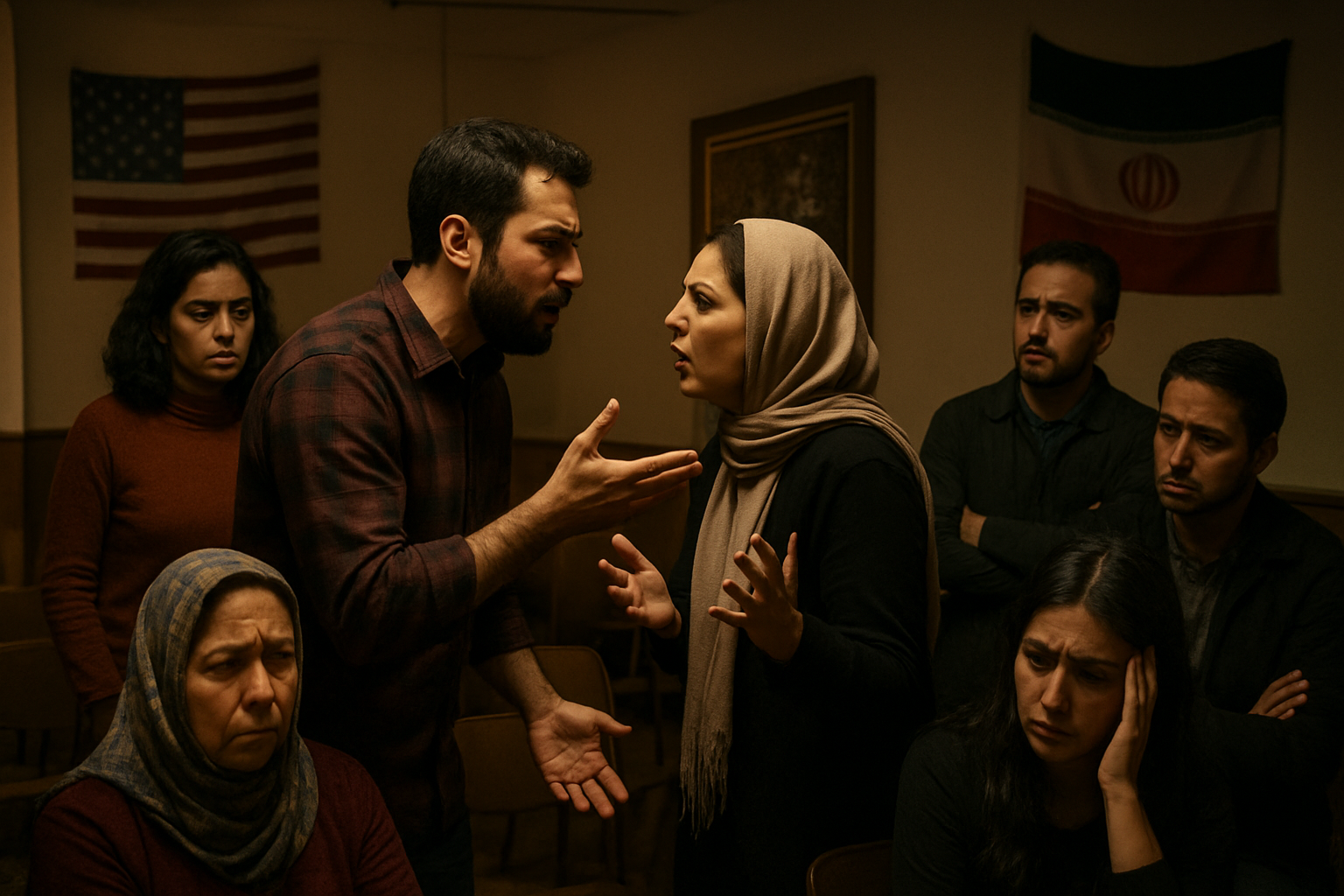
Los Angeles Area Community Faces Mixed Emotions About Regime Change
The Los Angeles metropolitan area, home to more than one-third of the nearly 400,000 Iranian immigrants in the United States, has become the epicenter of deeply conflicted reactions to recent US military strikes on Iran. This geographic concentration of Iranian Americans has amplified both the emotional intensity and political complexity surrounding the military intervention, with community members experiencing what one observer described as “emotional gymnastics.”
Los Angeles City Councilman Adrin Nazarian, who fled Iran at age 8 in 1981 with his Christian Armenian family, exemplifies the mixed emotions permeating the community. Now 52, Nazarian articulates the fundamental tension many Iranian Americans feel: “I want to see the ouster of this regime, but at the same time, I feel there is a price that’s really being paid by the residents of Iran.” His perspective reflects a broader community struggle between supporting regime change and concerns about the human cost of military action.
The Iranian American community divisions have become particularly pronounced as residents grapple with decades of opposition to Iran’s theocratic government while simultaneously worrying about the welfare of family members and civilians still in Iran. Many community members who fled after the 1979 Islamic Revolution find themselves caught between their desire for liberation from what they view as an oppressive regime and their fears about the consequences of military intervention.
Iranian American Politicians Take Opposing Stances on Military Action
The political landscape among Iranian American elected officials reveals stark ideological divisions that mirror broader community tensions. Republican Rep. Stephanie Bice of Oklahoma, the first Iranian American elected to Congress, has taken a decidedly supportive stance toward the military strikes. Through social media, Bice declared, “Now is the time for Iranians to stand up and take back their nation and bring lasting peace to the Middle East,” positioning the military action as an opportunity for Iranian liberation.
In sharp contrast, Arizona Rep. Yassamin Ansari, the first Iranian American Democrat elected to Congress, has adopted a more cautious and critical approach. Despite her family’s personal history of fleeing the Iranian regime, Ansari has announced her intention to support the War Powers Resolution that House Democrats plan to bring to the floor. Her statement reveals the complexity of balancing personal experience with congressional responsibility: “Donald Trump has specifically said Americans and innocent Iranians will die in this conflict, yet he has not shared a real, comprehensive plan with Congress or a justification with the American people.”
Ansari’s position demonstrates how Iranian American political effects extend beyond simple support or opposition, encompassing concerns about constitutional processes and strategic planning. She emphasizes wanting “a free Iran and a future of democracy and dignity for the Iranian people” while also prioritizing American troop safety and opposing “another endless war in the Middle East.” This nuanced stance reflects the sophisticated political calculus many Iranian American leaders must navigate when addressing military intervention.
Geographic Concentration of Iranian Immigrants Amplifies Local Impact
The concentrated settlement patterns of Iranian immigrants have created unique dynamics in how US Iran military strikes consequences affect specific communities. With more than half of Iranian Americans living in California and the highest concentration in the Los Angeles area, local reactions carry outsized significance in shaping broader community discourse and political responses.
This geographic clustering has intensified both the emotional and political reverberations of the military action. Community leaders like Councilman Nazarian emphasize that meaningful change “need[s] to come from within Iran, not through military force from the outside,” reflecting a preference for internal democratic movements over external military intervention. This perspective highlights how proximity and community bonds influence Iranian American attitudes toward regime change strategies.
The concentrated Iranian American population in Los Angeles has also created a more visible platform for expressing diverse viewpoints about humanitarian military intervention Iran. The community’s size and political engagement mean that local reactions often serve as a barometer for broader Iranian American sentiment nationwide, making the Los Angeles area’s mixed emotions particularly significant for understanding the complex landscape of Iranian American political responses to military action.
The community’s long history of activism and political engagement, rooted in their experience as refugees and immigrants who fled authoritarian rule, has positioned them as influential voices in debates about appropriate responses to the Iranian government’s actions both domestically and internationally.
Trump Administration’s Military Strategy Draws Sharp Criticism from Veterans and Experts
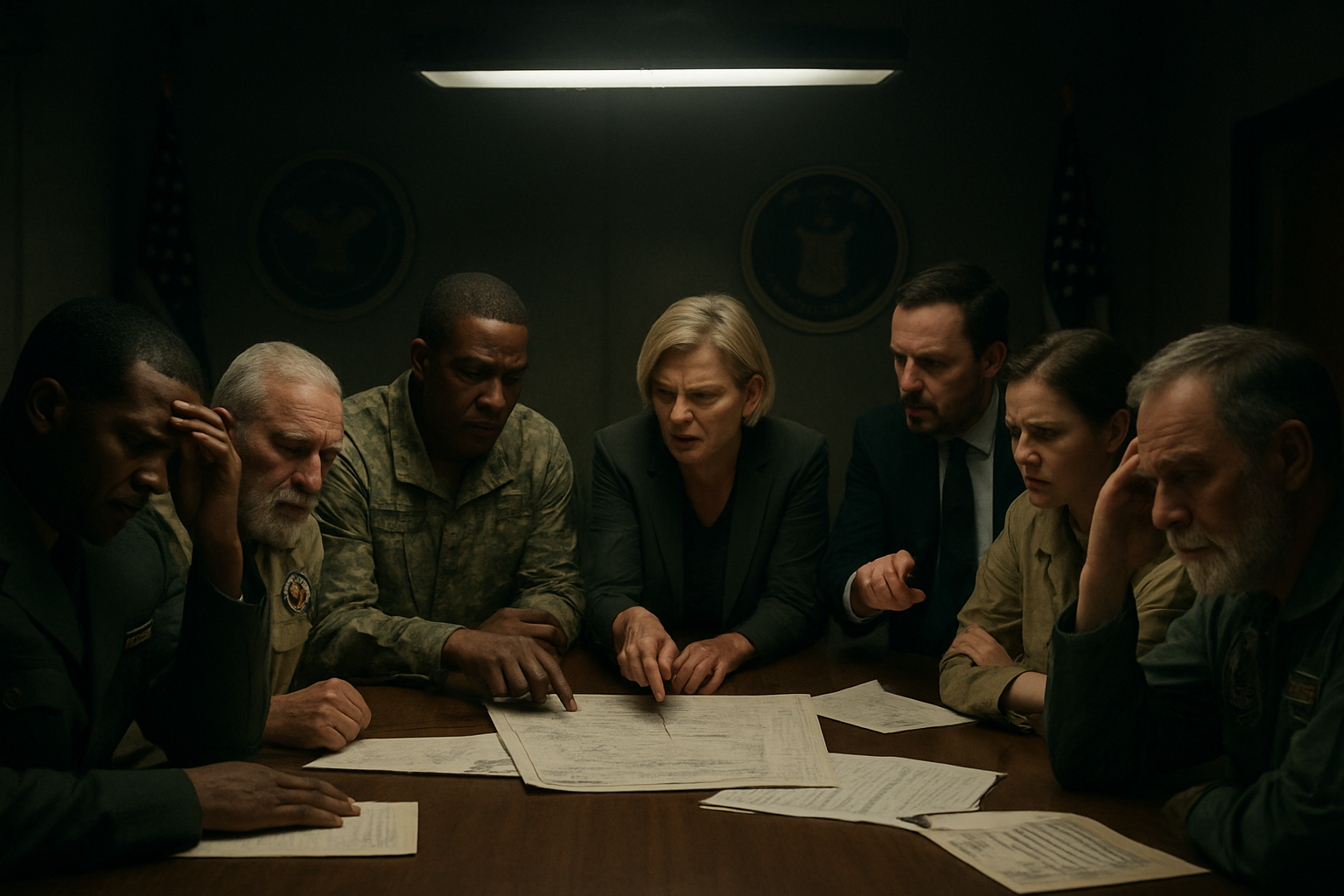
Former Marines Question White House War Messaging as Alarming Propaganda
Veteran lawmakers with firsthand combat experience are expressing deep concerns about the Trump administration’s military strategy criticism regarding Iran operations. Arizona Democratic Senator Ruben Gallego, whose Marine company suffered devastating losses during the Iraq War, admits to mixed feelings about the current situation. “Do I take gratification? You know there’s the Marine side of me: Yeah, of course,” Gallego stated, acknowledging his understanding that Iranian leadership has targeted U.S. service members for decades. However, he emphasized his responsibility “not to let my lust for revenge drive my country into another war.”
The criticism extends beyond partisan lines, with Republican Representative Eli Crane of Arizona, a former Navy SEAL who enlisted after September 11th, sharing similar reservations. Despite supporting the administration’s actions, Crane called for the Trump administration to approach the conflict with “humility and caution,” drawing from his experience of military operations that “did not go to plan many times.”
Marine veteran Peter Lucier, who deployed to Afghanistan in 2011 and 2012, raised concerns about the duration of operations against Iran. “We’ve been promised quick wars before,” Lucier told Task & Purpose, warning that “these things have an incredibly long tail, and so we’ve engaged in what could end up being a 20-year mission.” His skepticism reflects a broader pattern among veterans who witnessed the protracted nature of previous Middle Eastern conflicts.
Military Times Leadership Challenges Administration’s Communication Approach
Military leadership and veteran organizations are questioning the administration’s messaging strategy regarding Iran operations. Defense Secretary Pete Hegseth’s assurance that “you don’t have to roll 200,000 people in there and stay for 20 years” has drawn scrutiny from veterans who remember similar promises during the Iraq and Afghanistan wars.
The disconnect between official messaging and veteran concerns becomes evident in President Trump’s timeline projections. While Trump stated that combat operations could last “about a month” with capability to “go far longer than that,” veterans remain skeptical about such assurances. Alex Plitsas, a former Army staff sergeant who deployed to Iraq in 2008, noted that Global War on Terror veterans have “mixed emotions” over current operations, particularly given the “protracted conflict afterwards with mission creep” they witnessed in previous wars.
American Legion National Commander Dan Wiley has called on federal lawmakers to ensure the U.S. military has “clear objectives, strong force protection, and a strategy to prevent prolonged conflict.” This criticism highlights the gap between military leadership expectations and the administration’s communication strategy, particularly regarding long-term planning and exit strategies.
Lack of Congressional Consultation Raises Constitutional Concerns
Constitutional concerns regarding congressional authorization have become a central point of Trump administration military strategy criticism among veteran lawmakers. Marine veteran Peter Lucier expressed frustration that this represents “the latest conflict that has been waged without Congress declaring war,” noting how the 2001 Authorization for Use of Military Force has been repeatedly used for missions unrelated to its original purpose.
Senator Tammy Duckworth, a retired lieutenant colonel and Army helicopter pilot who lost her legs in Iraq, criticized Trump for “threatening to draw us into yet another expensive, taxpayer-funded forever war without Constitutionally-required authorization, a defined end-state or a real plan to prevent the instability that could come next.” Her criticism reflects broader veteran concerns about entering conflicts without proper congressional oversight.
Concerned Veterans for America, a conservative veterans group, emphasized that “Founding Fathers left the role of going to war in the hands of Congress, to ensure the American people had a voice in matters of foreign policy.” Executive Director John Vick stressed that it is “essential the elected leaders in Washington debate and vote on these actions in line with the Constitution.”
Democratic Representative Jason Crow, who served as a captain in both Iraq and Afghanistan, warned that front-line soldiers often suffered “because people stopped asking tough questions. People stopped being held accountable. Congress stopped voting on it.” This sentiment underscores veteran concerns about repeating past mistakes where congressional oversight was insufficient during prolonged military engagements.
Civil Rights Organizations Mobilize Against Unconstitutional War Actions

National Iranian American Council Condemns Strikes During Active Diplomacy
The National Iranian American Council has emerged as a prominent voice among civil rights organizations mobilizing against unconstitutional war actions in Iran. Previously, civil rights groups have faced the challenge of opposing military interventions while advocating for human rights. Now that military strikes have escalated tensions, the Council has taken a firm stance against the timing and legality of these operations.
The organization specifically condemned the military strikes for occurring during what they characterized as active diplomatic efforts. Their position reflects a broader concern among Iranian American communities about the impact of military action on both diplomatic progress and civilian populations. The Council’s opposition underscores the complex dynamics within Iranian American advocacy groups, who must balance criticism of the Iranian government with opposition to military intervention.
With this backdrop in mind, the Council has joined a coalition of more than 250 advocacy organizations that sent a letter to Congress urging lawmakers to reject additional funding for the US Iran war. The coalition argued that expanding military operations would deepen both the humanitarian crisis and economic strain facing Americans at home, positioning the strikes as counterproductive to both diplomatic and domestic priorities.
CAIR Launches Advocacy Campaign to Stop Military Operations
The Council on American-Islamic Relations (CAIR) has launched a comprehensive advocacy campaign as part of the broader civil rights war opposition movement. As one of the key organizations in the 250-member coalition, CAIR has specifically warned lawmakers about the constitutional implications of approving new military funding without proper congressional authorization.
CAIR’s campaign focuses on mobilizing Muslim Americans and allies to contact their representatives and demand an end to what they characterize as an illegal war. The organization has emphasized that military operations violate constitutional principles by proceeding without congressional approval, making their advocacy efforts both a civil rights and constitutional law issue.
The advocacy campaign includes grassroots organizing, legislative lobbying, and public education efforts designed to inform communities about the Iranian American political effects of continued military action. CAIR’s involvement demonstrates how civil rights organizations are expanding their traditional focus areas to include foreign policy issues that directly impact their constituencies.
Muslim and Iranian Groups Unite in Opposition to Regime Change War
Now that we have covered individual organizational responses, the broader coalition demonstrates unprecedented unity among Muslim and Iranian groups in opposing what they characterize as a regime change war. The coalition, led by Public Citizen, Win Without War, MoveOn, and the American Civil Liberties Union (ACLU), represents a diverse array of advocacy organizations united in their opposition to military escalation.
The unified opposition includes major labor unions, civil rights organizations, environmental groups, and policy advocates such as Oxfam America, Service Employees International Union (SEIU), National Nurses United, Greenpeace, Common Cause, Indivisible, and the National Organization for Women (NOW). This broad coalition reflects how US Iran military strikes consequences extend beyond traditional foreign policy constituencies to impact various domestic advocacy groups.
Robert Weissman, co-president of Public Citizen, articulated the coalition’s economic concerns: “More money for the Pentagon will serve to extend and escalate an illegal, unpopular, and devastating war. The money wasted on this war should instead be invested in meeting the economic squeeze felt by everyday Americans.”
The ACLU’s Christopher Anders emphasized the constitutional dimensions of their opposition, stating: “That’s exactly why it’s so crucial that the decision to go to war not rest on one person’s impulses. Congress must not fund the continuation of this unconstitutional war.”
Previously, such diverse coalitions have formed around domestic civil rights issues, but the Iran situation has created an unusual alliance focused on foreign policy. The groups argue that the conflict could cost roughly $1 billion per day and divert resources from domestic priorities such as housing, health care, and food assistance.
Shayna Lewis, deputy director of Win Without War, captured the coalition’s sentiment: “People across the U.S. already hate Trump’s illegal war in Iran, and they’re not going to like it any better if Congress wastes $50 billion more of their money on it. It’s outrageous that Trump is even asking for more money to spend on bombs when his spiraling war is killing civilians abroad and driving up prices for everyone at home.”
With this unified opposition in mind, these organizations have positioned themselves as defenders of both constitutional principles and fiscal responsibility, arguing that military action represents both a legal and economic threat to American interests.
Iranian Opposition Leader Supports Military Intervention as Humanitarian Action
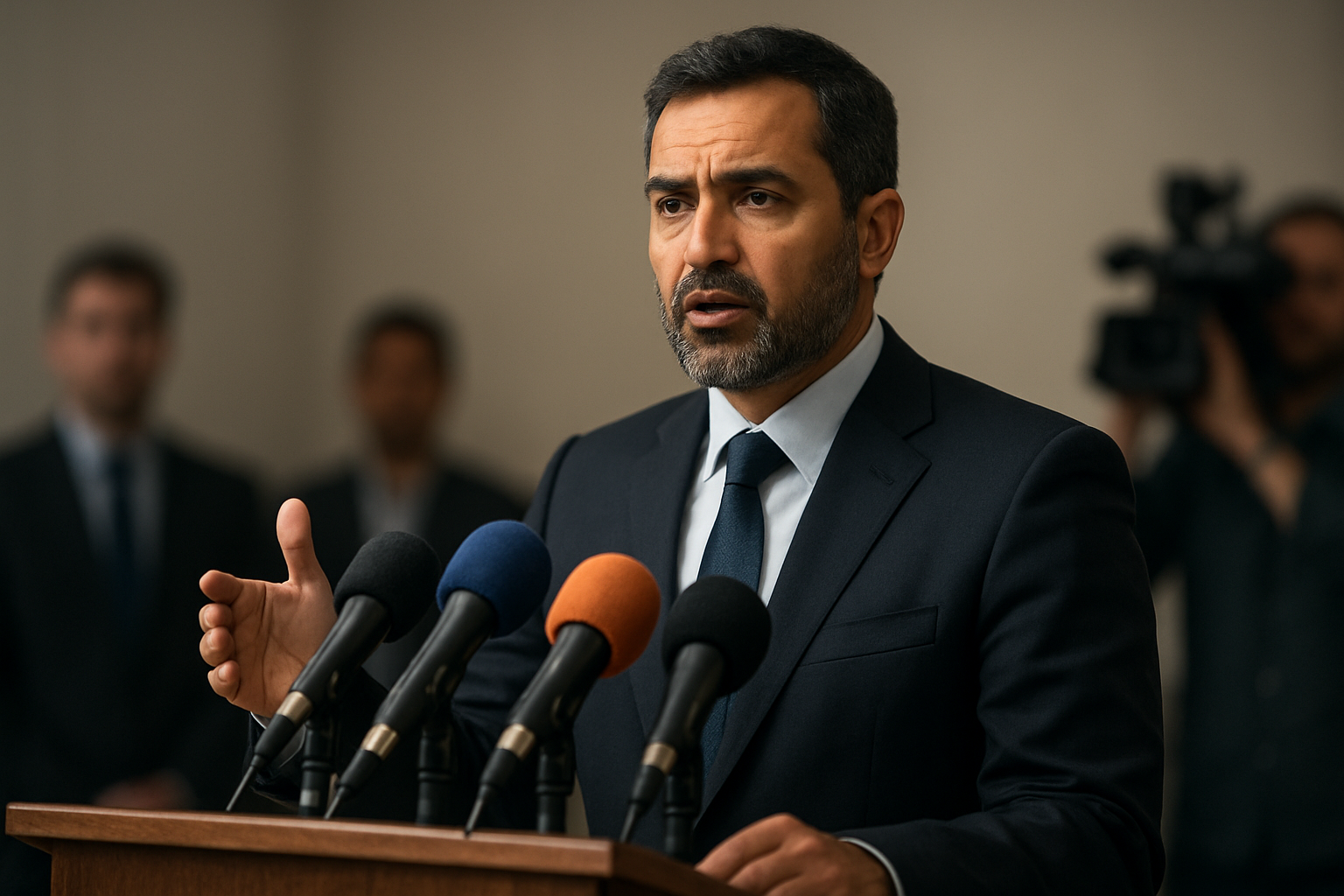
Former Shah’s Son Frames Strikes as Liberation Effort
Reza Pahlavi, the exiled son of Iran’s toppled shah, has emerged as a prominent voice advocating for US military intervention in Iran, framing potential strikes as a humanitarian liberation effort rather than acts of aggression. Speaking at the Munich Security Conference, Pahlavi positioned himself as a leader ready to guide Iran through a democratic transition period, telling massive crowds of supporters that he would “guarantee a transition to a secular democratic future.”
At a rally in Munich attended by an estimated 250,000 pro-monarchist opponents of the Islamic Republic, Pahlavi articulated his vision for humanitarian military intervention Iran as a necessary step to prevent further loss of innocent lives. His messaging strategically reframes military action as a rescue mission for the Iranian people, stating that intervention could “save lives” and help expedite the process of regime change.
The opposition leader’s approach represents a calculated effort to legitimize external military action by presenting it through the lens of humanitarian necessity. Pahlavi emphasized that the Iranian government appears to be “on the brink of collapse” and suggested that military strikes could either weaken the current regime or accelerate its downfall. This framing attempts to position Iranian opposition leader intervention as both morally justified and tactically sound.
During his address to supporters waving the lion and sun flags of the former monarchy, Pahlavi declared his commitment to serve as “the leader of transition” to ensure Iranians could eventually “decide the fate of our country through a democratic, transparent process to the ballot box.” This messaging aims to provide legitimacy to his leadership claims while presenting military intervention as a pathway to democratic governance.
Calls for Internal Iranian Revolution Following External Military Support
Now that we have covered Pahlavi’s framing of military strikes as liberation, his strategy extends to coordinating external military support with internal revolutionary movements. The opposition leader explicitly called for the Iranian people to capitalize on potential military intervention by taking to the streets and sustaining protests until achieving “the ultimate regime’s downfall.”
Pahlavi’s revolutionary strategy hinges on the belief that external military pressure will create the conditions necessary for successful internal uprising. He told Reuters that “people are hoping that at some point the decision will be made that there’s no use, there’s no point, we’re not going to get anywhere with negotiations.” This assessment reflects his conviction that diplomatic solutions have been exhausted, making military intervention the only viable path forward.
The opposition leader’s calls for revolution are supported by evidence of ongoing resistance within Iran itself. According to reports, residents of Tehran and other cities have begun shouting anti-government slogans from apartment blocks, with chants including “death to Khamenei,” “death to the Islamic republic,” and “long live the shah” being heard in areas like the eastern Tehran district of Ekbatan.
Pahlavi’s messaging to potential revolutionaries emphasizes timing and coordination, suggesting that external military action would provide the catalyst needed for sustained internal resistance. His strategy acknowledges the fragmented nature of Iran’s opposition movement while positioning himself as the unifying figure capable of leading a successful transition.
Strategic Messaging to Iranian People About Timing for Uprising
With this foundation established, Pahlavi’s communication strategy focuses heavily on timing and readiness for coordinated action. His messaging consistently emphasizes that external military intervention represents the optimal moment for Iranians to launch a comprehensive uprising against the current government.
The opposition leader’s strategic messaging includes assurances that international support is imminent, with US Senator Lindsey Graham reinforcing this narrative at the Munich rally by declaring, “The Iranian people are going to have their freedom. It is a matter of time, help is on the way, make Iran great again.” This coordinated messaging between American political figures and Iranian opposition leaders demonstrates the international dimension of the planned intervention.
Pahlavi’s timing strategy acknowledges the risks faced by internal protesters while emphasizing that external military support would provide crucial protection and momentum. He referenced the “bloody crackdown on protesters” and the “campaign of mass arrests and intimidation” that has led to thousands of arrests, positioning military intervention as necessary protection for future demonstrators.
The opposition leader’s messaging also addresses the legitimacy question directly, with supporters arguing that negotiations with the current Iranian government lack validity. As one demonstrator explained, “They shouldn’t talk to them because they are not actually a government. We don’t like them, we don’t accept them.” This messaging reinforces Pahlavi’s argument that the time for diplomatic solutions has passed, making coordinated military intervention and internal revolution the only remaining options for achieving democratic change in Iran.
Political Consequences Emerge as Congress Prepares War Powers Response
House Democrats Plan War Powers Resolution Vote
With mounting concerns over the escalating conflict, Congress has found itself thrust into a constitutional battle over war powers, preparing a series of critical votes that could fundamentally reshape executive military authority. The House narrowly rejected a war powers resolution in a tight 212-219 vote, marking a pivotal moment in the Congress war powers response to the ongoing military operations. This razor-thin margin exposed deep fractures within both parties, as lawmakers grappled with their constitutional duty to oversee military action while American lives hung in the balance.
The resolution, had it passed, would have immediately halted Trump’s ability to conduct the war unless Congress approved the military action. Democratic leadership, led by Rep. Gregory Meeks, the top Democrat on the House Foreign Affairs Committee, emphasized the constitutional imperative: “Donald Trump is not a king, and if he believes the war with Iran is in our national interest, then he must come to Congress and make the case.” This sentiment reflects broader Democratic concerns about the unconstitutional war actions and the need to restore congressional oversight of military operations.
House Speaker Mike Johnson warned that limiting presidential authority during active conflict would be “dangerous,” contradicting claims about the scope of engagement by asserting “We are not at war.” Johnson characterized the operation as limited in scope and duration, claiming the “mission is nearly accomplished,” despite mounting evidence of expanding military commitments and casualty reports.
Iranian American Representatives Navigate Family History and Legislative Duty
Now that we have examined the broader congressional response, the personal dimensions of this conflict become particularly poignant for lawmakers with Iranian heritage. Rep. Yassamin Ansari, D-Ariz., embodied this complex intersection of personal history and public duty as she addressed the House floor. As the daughter of Iranian immigrants who fled their homeland, Ansari found herself navigating the delicate balance between opposing an authoritarian regime and questioning the wisdom of military intervention.
“War carries profound and deadly consequences for our troops, for the American people and for the entire world,” Ansari declared, highlighting her unique perspective within the Iranian American community divisions. Her statement reflected deeper concerns that democratic transition for the Iranian people never seemed to be a priority for Trump or the officials who briefed Congress. This position illustrates the nuanced stance many Iranian American representatives must take, supporting regime change while questioning the methods and long-term consequences of military action.
Ansari’s position represents a broader challenge facing Iranian American lawmakers who must reconcile their families’ experiences with authoritarian rule against their constitutional responsibilities and concerns about US Iran war impact on civilian populations. These representatives serve as crucial voices in congressional debates, bringing firsthand understanding of Iranian society while maintaining their oath to protect American interests and constitutional governance.
Bipartisan Concerns About Endless Middle East Military Engagement
Previously, we’ve seen how partisan divisions dominated initial responses, but beneath the surface, bipartisan concerns about prolonged Middle Eastern conflicts have begun to emerge. The specter of Afghanistan and Iraq loomed large over congressional debates, with many Sept. 11-era veterans now serving in Congress drawing uncomfortable parallels to previous military engagements that extended far beyond their original scope and objectives.
Crossover coalitions demonstrated the complexity of these concerns, as two Republicans joined most Democrats in supporting the war powers resolution, while four Democrats broke ranks to oppose it. Rep. Thomas Massie, the Republican from Kentucky, emerged as a notable outlier in his party, questioning the administration’s rationale: “This administration can’t even give us a straight answer as to why we launched this preemptive war.” Massie’s criticism, joined by Rep. Warren Davidson of Ohio, a former Army Ranger, highlighted growing Republican unease with open-ended military commitments.
Defense Secretary Pete Hegseth’s admission that the war could extend eight weeks—twice as long as initially estimated—intensified these concerns about mission creep. With over 1,230 Iranian casualties reported and six U.S. military members killed in a drone strike in Kuwait, the human cost began reshaping congressional calculations. Senate Democratic leader Chuck Schumer framed the choice starkly: “Do you stand with the American people who are exhausted with forever wars in the Middle East?”
The administration’s shifting rationale further complicated congressional support, with Trump officials providing contradictory explanations ranging from destroying Iran’s ballistic missile capabilities to regime change aspirations. This uncertainty echoed previous Middle Eastern interventions where initial objectives expanded dramatically, creating the very “endless military engagement” that both parties increasingly sought to avoid in their US Iran military strikes consequences analysis.
The escalating tensions between the US and Iran have created profound divisions within Iranian American communities, with some supporting military intervention as a path to regime change while others advocate for peaceful diplomatic solutions. Veterans and military experts have raised serious concerns about the administration’s war messaging, while civil rights organizations mobilize against what they view as unconstitutional military actions. These competing perspectives reflect the complexity of Iranian American experiences, from those who fled the 1979 revolution seeking regime overthrow to others prioritizing diplomatic engagement and civilian protection.
As Congress prepares its War Powers Response and political consequences unfold, the American people face critical questions about military engagement in the Middle East. The deep divisions within Iranian American communities mirror broader national debates about intervention, diplomacy, and the human costs of conflict. Moving forward, meaningful dialogue between all stakeholders—veterans, civil rights advocates, Iranian opposition leaders, and elected officials—will be essential to navigate these challenging circumstances while protecting both American interests and innocent civilian lives.
Continue your learning journey on www. biopharmavesre.com.