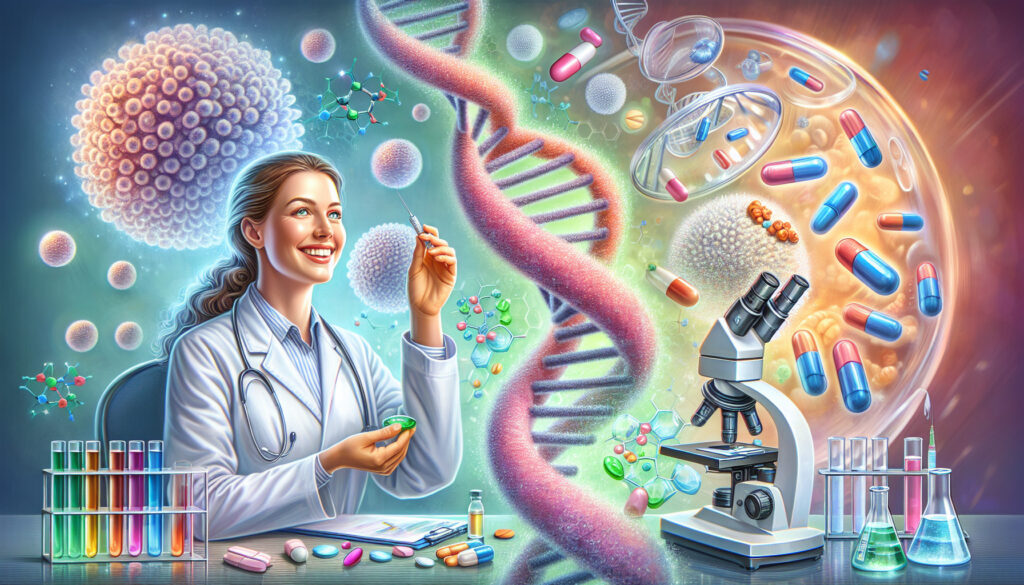
Artificial intelligence is reshaping biotechnology at lightning speed, and 2025 is turning out to be the year everything changes. This transformation affects biotech researchers, pharmaceutical executives, investors, and healthcare professionals who need to understand how AI is revolutionizing their industry right now.
AI in biotechnology isn’t just improving existing processes—it’s completely rewriting the playbook. We’re seeing breakthrough AI impact on biotech that’s making drug discovery faster, clinical trials smarter, and treatments more personalized than ever before. The numbers tell the story: AI spending in pharma is expected to hit $3 billion by 2025, with AI-driven drug discovery projected to reduce development costs by up to 40%.
This deep dive covers three game-changing areas where AI biotech innovation is making 2025 truly thrilling. First, we’ll explore how AI transforms drug discovery and development processes, turning what used to take years into months through advanced molecular modeling and predictive analytics. Second, you’ll discover the clinical trials revolution through AI-powered optimization, where patient recruitment becomes lightning-fast and trial design gets smarter with real-time data analysis. Finally, we’ll examine the personalized medicine breakthrough with AI-driven biomarker discovery, where treatments are tailored to individual genetic profiles rather than one-size-fits-all approaches.
The convergence of artificial intelligence biotech breakthrough technologies with traditional life sciences is creating opportunities that seemed impossible just a few years ago, and the companies moving fastest are the ones that will define healthcare’s future.
AI Transforms Drug Discovery and Development Processes
Machine Learning Accelerates Target Identification and Validation
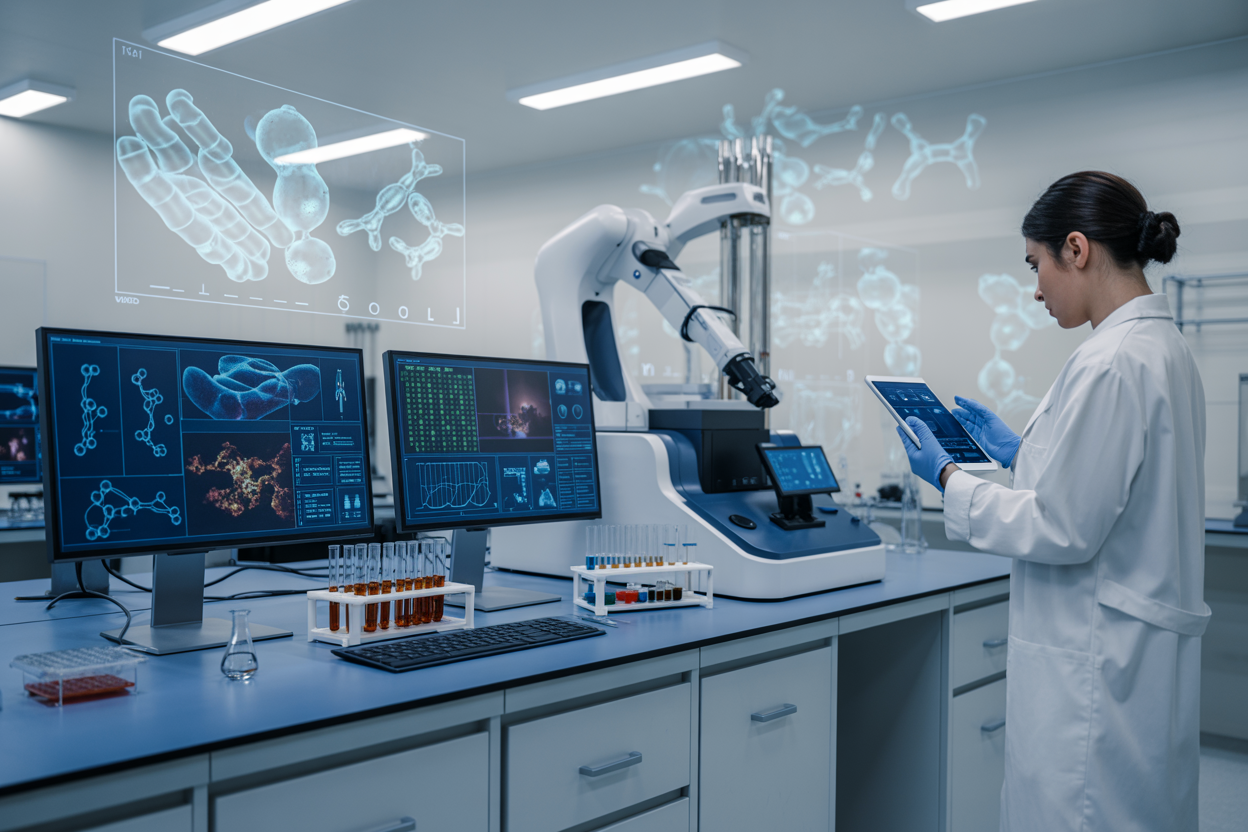
Artificial intelligence is fundamentally transforming how researchers identify and validate therapeutic targets in drug discovery. Machine learning algorithms can now sift through vast repositories of biological data to identify potential drug targets with unprecedented speed and accuracy. By analyzing everything from genomic to clinical data, AI tools can pinpoint molecules or biological pathways that play a key role in disease progression, providing researchers with valuable insights into potential therapeutic interventions.
The FDA has demonstrated the power of conventional ML approaches through their groundbreaking work on kinase-adverse event associations for small molecule kinase inhibitors (SMKIs). By constructing a multi-domain dataset from 4,638 patients in registrational trials of 16 FDA-approved SMKIs, ML models such as Random Survival Forests (RSF), Artificial Neural Networks (ANNs), and DeepHit successfully identified potential associations between 442 kinases and 2,145 adverse events. This information has been made publicly accessible via an interactive web application called “Identification of Kinase-Specific Signal,” which aids experimentalists in identifying and verifying kinase-inhibitor adverse event pairs.
The integration of genetic data has particularly high potential to improve target identification processes. A 2019 study suggested that drug candidates supported by genetic data were twice as likely to make it to the clinic, demonstrating the critical value of AI-powered genetic analysis in target validation. Future studies integrating richer datasets with detailed genomic, phenotypic, and demographic information could further improve the precision of target identification and help refine the applicability of these models to specific patient subgroups.
AI-Driven Platforms Reduce Development Costs by 40% and Timeline to 12-18 Months
Now that we have covered target identification, the financial impact of AI on drug discovery development processes has proven equally transformative. AI-guided screening techniques can rapidly scan large libraries of compounds to identify those with the highest likelihood of binding to the target. This process, which was once time-consuming and costly, can now be completed in a fraction of the time, significantly accelerating the pace of drug discovery.
The culmination of AI-driven discovery is de novo design, where the entire preclinical pipeline can be performed in silico, resulting in billions of dollars of R&D cost savings. This translates to reduced costs of medications and higher clinical success rates via optimization of safer and more developable molecules showing strong efficacy for well-selected targets. While de novo design is as-yet unproven at scale, early indicators suggest substantial cost and timeline reductions are achievable.
The success rate of AI-developed drugs provides compelling evidence for these improvements. As of December 2023, the 21 AI-developed drugs that completed Phase I trials achieved an 80%-90% success rate, significantly higher than the ~40% success rate for traditional methods. This dramatic improvement in success rates directly correlates to reduced development costs and faster timelines, as fewer failed candidates mean less wasted investment and resources.
Generative AI Models Like AlphaFold and Genie Design Custom Proteins
With this transformation in mind, generative AI models have emerged as game-changers in protein design and structure prediction. The 2024 Nobel Prize in Chemistry was awarded to David Baker, Demis Hassabis, and John Jumper for their groundbreaking work in using AI to predict protein structures and design functional proteins. The development of the AlphaFold model has solved a long-standing challenge in biology by accurately predicting the complex structures of proteins, which are crucial for understanding their function.
AlphaFold enhances our ability to design new proteins with specific functions and accelerates drug discovery and development by providing detailed insights into protein behavior and interactions. The recognition of this work underscores the transformative potential of AI in the life sciences and its critical role in future drug research and development. Google’s AlphaFold2 tool has been a gamechanger for protein structure prediction, which in turn can assist the drug discovery process via the screening of existing compounds and guiding the design of new ones.
Additionally, AlphaMissense, which is based on AlphaFold2’s technology, can predict the impact of genetic variants. This could significantly transform the target identification step of the drug discovery process by providing unprecedented insights into how genetic variations affect protein function and disease progression.
Several large foundational models have been developed for encoding functional information of proteins in a powerful way to support the drug development pipeline. These models represent the cutting edge of AI biotechnology, enabling researchers to design custom proteins with specific therapeutic functions that were previously impossible to achieve through traditional methods.
Predictive Analytics Increases Clinical Success Probability from 10% to Higher Rates
Previously, we’ve seen how traditional drug development faced notoriously low success rates, with most drugs taking 10-15 years to reach the clinic and costing millions or billions of dollars, with ultimately most candidates failing due to safety concerns or efficacy issues. AI-driven predictive modeling is fundamentally changing this landscape by enabling researchers to assess the efficacy and safety of drug candidates more accurately, guiding decisions on which compounds to prioritize for further testing.
The dramatic improvement in success rates demonstrates the power of predictive analytics in drug development. While traditional methods achieve approximately 10% overall success rates from preclinical to market approval, AI-developed drugs have shown 80%-90% success rates in Phase I trials as of December 2023. This represents an 8-9 fold improvement in early-stage success probability, with the potential for continued improvements as these drugs progress through later phases.
The number of candidate drugs developed using AI entering clinical stages continues to grow at an exponential rate—from 3 in 2016 to 17 in 2020 and 67 in 2023. This exponential growth pattern indicates that predictive analytics is not only improving success rates but also enabling the development of more drug candidates that meet the criteria for clinical advancement.
AI-driven predictive modeling leverages machine learning algorithms to analyze complex biological datasets, identifying patterns and relationships that human researchers might miss. These models can predict drug-target interactions, assess potential side effects, and optimize dosing regimens before expensive clinical trials begin. By front-loading much of the risk assessment and optimization to the computational phase, pharmaceutical companies can make more informed decisions about which candidates to advance, resulting in higher success probabilities and more efficient resource allocation throughout the development process.
Clinical Trials Revolution Through AI-Powered Optimization
Automated Patient Recruitment Cuts Enrollment Time from Months to Days
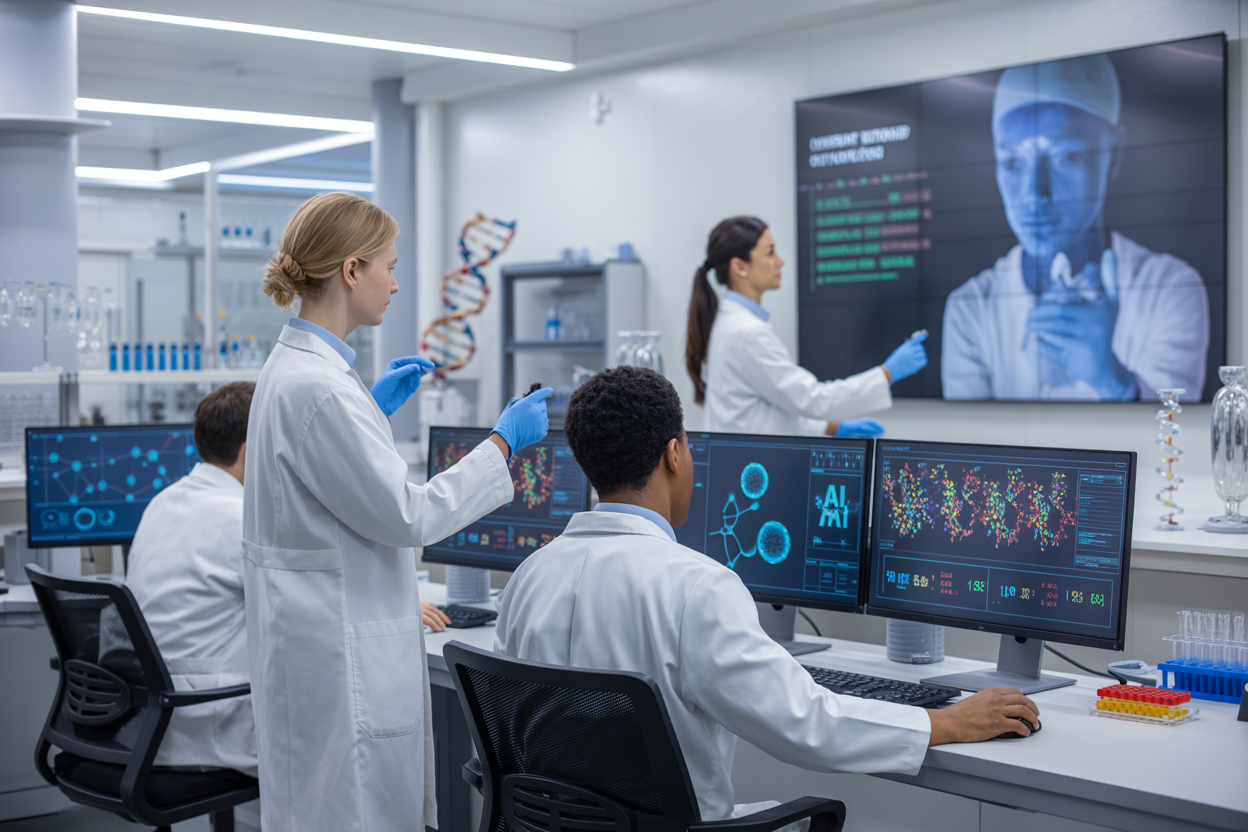
AI-powered patient recruitment platforms are fundamentally transforming the traditional approach to clinical trial enrollment. Natural Language Processing (NLP) technology can now sift through vast amounts of unstructured data within electronic health records (EHRs), including physician notes, lab results, and patient histories, to automatically identify potential participants who meet specific trial criteria. This represents a dramatic shift from the labor-intensive manual chart review process that has historically plagued clinical research.
Advanced AI systems like Dyania Health’s clinical trial recruitment software have demonstrated remarkable efficiency gains, achieving 96% accuracy while identifying eligible trial candidates in minutes versus hours of manual review. At Cleveland Clinic, this platform showed a 170x speed improvement, enabling faster enrollment across oncology, cardiology, and neurology trials. Similarly, BEKHealth’s AI-powered platform identifies protocol-eligible patients three times faster by processing health records, notes, and charts with 93% accuracy.
The technology leverages rule-based AI that incorporates medical expertise rather than relying purely on machine learning algorithms. This approach has proven particularly effective because 80% of clinical trials traditionally miss their enrollment timelines, making rapid patient identification a critical competitive advantage. Companies like Carebox are using AI and human-supervised automation to convert unstructured eligibility criteria into searchable indices, matching patient clinical and genomic data with relevant trials while providing automated referral management.
Real-Time Data Analysis Enables Dynamic Trial Design Adjustments
AI is enabling the realization of truly “adaptive” clinical trials through real-time data analysis and continuous protocol refinement. More than half of the AI companies examined in recent industry reports are applying artificial intelligence to patient recruitment and protocol optimization, creating enhanced modeling and results visualization capabilities that allow for real-time intervention.
Machine learning algorithms can now simulate various trial scenarios, predicting potential outcomes of different designs, patient populations, and treatment regimens. This allows researchers to refine their protocols in a virtual environment, minimizing risks and increasing the likelihood of success before committing significant resources. By analyzing real-world data from electronic health records and patient registries, AI can predict trial feasibility, assess the availability of suitable patient populations, and evaluate the likelihood of meeting enrollment goals.
The technology addresses the significant challenge of “white space” between trial phases, which often adds years to total trial duration. For oncology trials, the total duration averages 11.9 years, with 2.1 years attributed to white space, while rare oncology trials extend to 12.5 years with 1.9 years of white space. AI-powered protocol optimization can achieve 15-20% time savings and faster trial start-up through continuous monitoring and automated adjustments based on emerging data patterns.
Decentralized Clinical Trials Expand Access to Diverse Patient Populations
More than 40% of AI companies in clinical trials are innovating in decentralized trials or real-world evidence generation, making these among the most common use cases behind core automation and patient matching. Decentralized clinical trials, powered by AI, are extending clinical research beyond traditional trial sites and addressing long-standing diversity challenges in patient recruitment.
Datacubed Health’s eClinical technology solutions for decentralized clinical trials offer electronic clinical outcomes assessments, electronic patient-reported outcomes, and patient engagement platforms built on neuroeconomic principles. The platform uses AI to enhance patient engagement through personalized content creation and behavioral science-driven strategies, applying machine learning for data analysis, patient recruitment optimization, and trial management.
AI algorithms can analyze demographic data and disease prevalence to help researchers identify and engage with underrepresented populations. Advanced AI systems now incorporate bias detection and mitigation techniques to address the historical underrepresentation of women, people of color, and patients from lower socioeconomic backgrounds in clinical trials. This domain-forward approach brings medical professionals into the algorithm development process to fill crucial context gaps and ensure more inclusive trial designs.
The technology integrates with wearable devices and remote monitoring tools to collect real-time data on patients’ physiological parameters and activity levels, enabling continuous oversight that was previously impossible in traditional clinical trial settings. This approach not only expands access but also improves data quality through continuous, automated collection and analysis.
AI Predicts Trial Success Rates and Reduces Participant Requirements by 35%
Artificial intelligence is revolutionizing predictive analytics in clinical trials, with advanced systems now capable of integrating preclinical knowledge with historical clinical data to facilitate end-to-end reasoning across the drug discovery and development continuum. By analyzing vast datasets, AI can predict success probabilities at various trial stages, identify optimal biomarkers, and suggest combination therapies to enhance decision-making and efficiency in clinical development.
Recent studies demonstrate that AI models can help predict patient dropouts and identify participant populations more likely to respond to treatments, leading to significant reductions in required sample sizes. The technology achieves enrollment risk management improvements of 10-30% faster enrollment by helping to avoid trial stalls, while site performance optimization results in 5-15% cost reduction through better targeting.
AI-powered clinical trial optimization automation eliminates time-wasting inefficiencies that drive up costs. According to recent industry analysis, 80% of analyzed AI startups use automation to streamline clinical development workflows. Patient recruitment cycles that traditionally spanned months are now shrinking to days, while study builds that previously took days can now be completed in minutes.
The predictive capabilities extend to adverse event monitoring, where AI-enabled algorithms can detect clusters of signs and symptoms to identify potential safety signals in real time. This proactive approach to pharmacovigilance enables more comprehensive and timely responses to safety concerns, ultimately reducing the number of participants needed while maintaining statistical power and safety standards. The technology can predict potential risks and adverse events before they occur, generating real-time alerts and recommending immediate next-best actions for trial management teams.
Personalized Medicine Breakthrough with AI-Driven Biomarker Discovery

Individual Patient Profiling Using Genetic and Lifestyle Data
Artificial intelligence is revolutionizing personalized medicine AI through sophisticated patient profiling that combines genetic information with lifestyle factors. AI models leverage multimodal omics data to create comprehensive individual profiles, enabling healthcare providers to understand each patient’s unique biological blueprint. This approach represents a fundamental shift from traditional one-size-fits-all treatments to precision medicine tailored for specific patient populations.
The integration of genetic sequencing data with lifestyle factors allows AI systems to identify complex biological connections that were previously impossible to detect. Machine learning algorithms process vast amounts of genomic information alongside environmental and behavioral data, creating detailed patient profiles that inform treatment decisions. These profiles enable clinicians to predict treatment responses with unprecedented accuracy, leading to improved clinical outcomes and reduced adverse effects.
849,000 Cancer Cases Generate 38 Billion Molecular Markers for Targeted Therapy
The scale of AI biomarker discovery has reached remarkable proportions, with extensive cancer case studies generating massive datasets for analysis. Deep learning techniques process these enormous collections of molecular markers, uncovering biomarker signatures essential for early detection and treatment planning. This comprehensive approach to data analysis allows researchers to identify patterns within molecular data that would be impossible to detect through traditional methods.
AI-driven analysis of these vast molecular datasets enables the discovery of novel biomarkers for targeted therapy development. The technology excels at finding subtle patterns across multiple data types, including genomic, proteomic, and metabolomic information. These discoveries are particularly valuable for developing precision oncology treatments, where understanding the specific molecular characteristics of each tumor is crucial for treatment selection.
The application of explainable AI (XAI) techniques helps interpret the significance of these biomarkers, making the findings clinically actionable. This transparency is essential for clinical decision-making, as healthcare providers need to understand the reasoning behind AI-generated recommendations. The combination of massive data processing capabilities with interpretable results creates a powerful foundation for advancing targeted cancer therapies.
AI-Enhanced Diagnostics Deliver Faster and More Accurate Results
AI in biotechnology has transformed diagnostic capabilities through enhanced accuracy and speed. AI models demonstrate remarkable effectiveness in early detection scenarios, particularly in cancer diagnosis where timing is critical for patient outcomes. The technology’s ability to analyze complex imaging data alongside molecular information has led to significant improvements in diagnostic precision.
Real-world case studies showcase AI’s superior performance in various diagnostic applications. In lung cancer detection, AI systems identify early-stage tumors with greater accuracy than traditional screening methods. Breast cancer diagnosis benefits from AI’s ability to analyze mammographic images and identify subtle patterns that may indicate malignancy. These applications demonstrate the technology’s practical value in clinical settings.
The integration of AI with imaging technologies, including radiomics, pathomics, and radiogenomics, enables more comprehensive tumor characterization. This multimodal approach provides clinicians with detailed information about tumor biology, supporting more informed treatment decisions. The combination of faster processing times with improved accuracy makes AI-enhanced diagnostics particularly valuable in time-sensitive clinical scenarios.
At-Home Testing Kits Predict Chronic Disease Risk with AI Analysis
The democratization of artificial intelligence biotech breakthrough extends to consumer health through AI-powered at-home testing solutions. These innovative diagnostic tools combine convenient sample collection with sophisticated AI analysis capabilities, enabling individuals to assess their chronic disease risk from the comfort of their homes. The technology processes various biological samples to provide actionable health insights.
AI algorithms analyze biomarker data from home-collected samples, comparing individual results against extensive databases to assess disease risk. This approach makes early detection more accessible to broader populations, potentially identifying health issues before symptoms manifest. The convenience factor significantly increases screening participation rates, contributing to better population health outcomes.
Despite the promising applications, the implementation of AI in personalized medicine faces several challenges that must be addressed. Data quality concerns, transparency requirements, potential bias issues, and data privacy considerations remain significant obstacles. Future developments focus on improving data privacy frameworks, expanding explainable AI capabilities, and integrating new technologies for enhanced early detection. Stakeholder collaboration is essential to ensure equitable access to AI biomarker discoveries across diverse patient populations.
Manufacturing and Supply Chain Intelligence Optimization
Predictive Maintenance Prevents Equipment Failures and Reduces Downtime
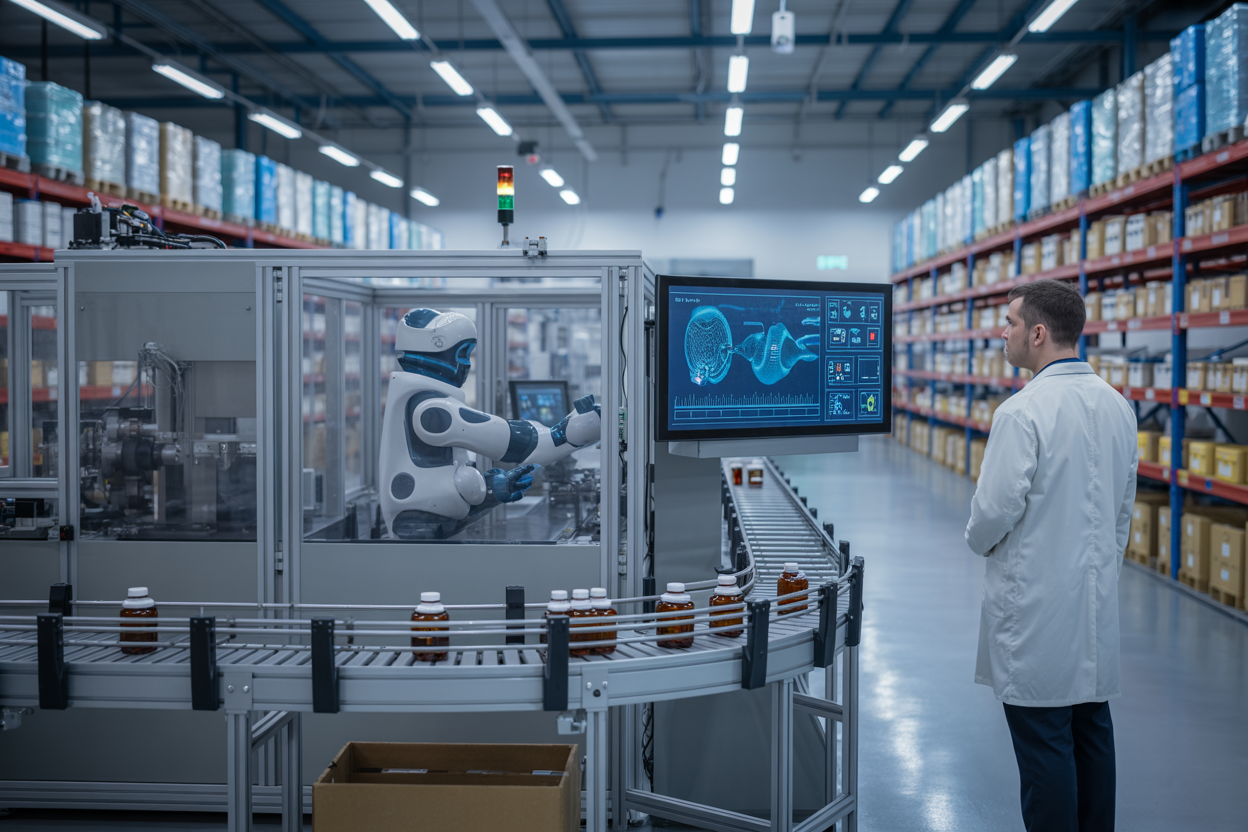
Artificial intelligence biotech breakthrough in manufacturing is revolutionizing equipment maintenance through predictive capabilities that substantially reduce operational disruptions. Gen AI-assisted supervision systems are transforming how manufacturing teams approach equipment management, with supervisors traditionally spending up to 40 percent of their time manually triaging equipment failures and supporting maintenance activities.
Gen AI supervisors provide technical assistance by synthesizing information from machine history, technical manuals, and production data, enabling rapid analysis of machine data to diagnose equipment issues and identify potential solutions. After implementing a gen AI copilot tool for maintenance support, one biopharma manufacturing team achieved remarkable results: 5 percent reductions in breakdown time, speed losses, and minor stoppages, alongside a 30 percent reduction in execution time and a 40 to 50 percent workload reduction for corrective maintenance.
The technology’s ability to access and synthesize vast amounts of technical data allows maintenance teams to shift from reactive to proactive approaches. Gen AI technical assistants typically reduce the time spent identifying and synthesizing technical solutions by 20 to 40 percent, enabling faster response times and more effective problem resolution.
Real-Time Quality Control Minimizes Waste and Human Error
Now that we have covered predictive maintenance capabilities, smart deviation management represents another critical application of AI in biotechnology manufacturing. The end-to-end process for managing deviations and corrective and preventive actions (CAPAs) traditionally requires 4 to 6 percent of a manufacturing site’s resources and presents significant challenges including delayed detection, manual tasks, and inconsistent documentation.
Gen AI tools address these pain points by providing proactive support throughout the deviation management process. The technology can identify similar deviations by analyzing historical data with comparable characteristics, providing crucial context and potential solutions. This capability proves particularly valuable when considering that 65 percent of drug shortages are caused by issues related to deviation management, and 15 to 20 percent of deviations recur due to ineffective remediation.
Accelerated root cause analysis becomes possible as gen AI automatically summarizes potential causes based on similar historical deviations, allowing investigators to focus their efforts and quickly identify problem sources. The system suggests effective CAPAs by leveraging historical records to recommend proven solutions tailored to specific deviations, improving remediation and prevention effectiveness.
One life sciences manufacturing company’s gen AI tool successfully synthesized 70 percent of deviations and connected them to similar events, facilitating easy investigation and hypothesis generation. The same system generated first drafts of CAPAs for more than 80 percent of cases. This approach typically results in 30 to 40 percent fewer deviations through improved prevention, with greater reductions in recurring and critical deviations, plus a 40 percent reduction in deviation closure time.
Digital Twins Simulate Manufacturing Processes for Enhanced Efficiency
With this foundation of predictive maintenance and quality control established, digital twin technology represents the next frontier in biotechnology artificial intelligence trends for manufacturing optimization. Gen-AI-powered tools act as centralized hubs for product and process knowledge, seamlessly integrating and analyzing historical data from R&D labs, pilot plants, and commercial manufacturing sites.
These intelligent systems leverage prior designs by identifying successful unit operation designs and configurations for different molecules, aiding in raw material selection and early-stage parameter optimization. The technology optimizes critical process parameters such as temperature, pH, and raw material variability to ensure robust quality and cost-effective performance at scale, while accelerating trial design and execution by generating draft protocols from historical trial data.
Streamlined experiment design becomes achievable as gen AI captures and organizes knowledge from experienced process engineers, making it readily available to others. The system automatically generates process documentation, including flow diagrams, operating procedures, and batch records, saving time and reducing errors. Similar AI and machine learning applications have demonstrated the ability to reduce timelines to investigational new drugs by nearly one-third while increasing development efficiency by 40 percent.
Smart Supply Chain Management Improves Demand Forecasting and Inventory Control
Previously, we’ve explored how AI transforms manufacturing processes, and now smart supply chain management through gen AI represents the final piece of the manufacturing optimization puzzle. The challenge lies in fragmented data across supplier databases and production systems, leading to limited visibility of stock levels, lead times, demand forecasts, and delivery performance.
An integrated gen AI tool consolidates supply chain data, demand data, performance targets, and production data from multiple sources into a unified platform. This comprehensive approach provides complete inventory and performance visibility, from raw materials to finished products, facilitating informed decisions about stock levels, procurement, logistics, and production.
The system improves decision-making by providing planners with insights and what-if-scenario analyses, empowering them to make informed decisions that enhance efficiency and responsiveness. Optimized inventory management becomes possible as gen AI accurately forecasts demand, predicts potential bottlenecks, creates data views, and analyzes scenarios to optimize inventory levels, helping reduce both stockouts and excess inventory.
Productivity increases significantly as gen AI automates routine tasks and provides easy access to critical information, freeing planners to focus on strategic initiatives and higher-value activities. Risk mitigation capabilities allow the system to analyze supply chain data along with market, weather, and geopolitical information to identify potential disruptions and enable timely mitigation strategies.
The impact is substantial: such gen AI tools help biopharma companies double supply chain organization productivity, improve product availability, and reduce overall cost of goods. Real-world implementations have demonstrated 2 to 3 percent declines in supply chain costs, 15 percent increases in forecast accuracy, and 20 to 30 percent workload reductions for planners, establishing AI pharmaceutical development as a cornerstone of modern biotechnology operations.
Market Growth and Investment Surge in AI Biotech Solutions

Global AI in Pharmaceuticals Market Reaches $16.49 Billion by 2034
The artificial intelligence revolution in biotechnology is generating unprecedented market momentum, with the global AI in biotechnology market demonstrating explosive growth trajectories. According to comprehensive market analysis, the sector was valued at $3.28 billion in 2024 and is projected to reach $13.30 billion by 2032, expanding at a robust compound annual growth rate (CAGR) of 19.13%. This remarkable expansion reflects the industry’s rapid integration of AI platforms into critical biotechnology workflows, from drug discovery pipelines to genomic sequencing and protein structure prediction.
The United States emerged as the dominant force in this market landscape, commanding $1.14 billion in 2024 valuation and projected to surge to $4.24 billion by 2032. North America’s market leadership stems from its mature healthcare infrastructure, established R&D facilities, and substantial investments by biotech and pharmaceutical companies in AI-driven innovation. The region’s robust ecosystem of AI-enabled drug discovery startups, coupled with government funding initiatives, continues to fuel widespread adoption of computational drug design tools and cloud-based life science data platforms.
AI Drug Discovery Market Exceeds $8.5 Billion by 2030 with 30.6% CAGR
Now that we have examined the broader AI biotechnology market, the drug discovery segment represents the most dynamic and rapidly expanding application area. The drug discovery and development segment captured the highest market share at 42% in 2024, driven by the accelerating application of AI algorithms in molecular target identification, compound screening, and lead optimization activities. This segment’s dominance reflects pharmaceutical companies’ strategic pivot toward AI-powered platforms to address the approaching patent cliff for major biologics like Keytruda and Opdivo by 2030.
The software component dominated the artificial intelligence in biotechnology market with a 46% revenue share in 2024, primarily due to increasing utilization of AI platforms in computational drug design, genomic analysis, and predictive modeling. Meanwhile, the services segment emerged as the fastest-growing category, reflecting rising demand for AI consulting, customization, and deployment services across the biotechnology value chain. This growth pattern indicates the industry’s transition from experimental AI adoption to full-scale operational integration.
Major Pharmaceutical Companies Invest $5.2 Billion in AI Partnerships
With this market expansion in mind, strategic partnerships between biotechnology firms and leading AI innovators have become increasingly critical. Major pharmaceutical companies are making substantial investments in AI technologies to transform drug discovery pipelines, reduce clinical trial costs, and optimize precision medicine approaches. The pharmaceutical sector dominated the market with a 38.3% share in 2024, reflecting big pharma’s commitment to AI-driven innovation.
Contract research organizations (CROs) and contract development and manufacturing organizations (CDMOs) represent the fastest-growing end-user segment, as pharmaceutical companies increasingly outsource AI-enhanced R&D activities. This trend demonstrates the industry’s recognition that specialized AI capabilities require dedicated expertise and infrastructure investments.
Leading companies driving this momentum include NVIDIA, Tempus AI Inc., Recursion Pharmaceuticals, Schrödinger Inc., and Sophia Genetics, who are pioneering innovations in machine learning, generative AI, and federated learning technologies. These partnerships are enabling breakthrough developments such as Insilico Medicine’s AI-enabled design of ISM5939, a next-generation ENPP1 inhibitor, and Illumina’s integration of its DRAGEN multi-omics analysis platform with NVIDIA’s BioNeMo frameworks.
93% of Pharma Executives Plan Increased AI Investment in R&D and Trials
The clinical trials and optimization segment has emerged as the fastest-growing application area, driven by rising adoption of AI for patient screening, real-time trial monitoring, and protocol design optimization. This surge reflects pharmaceutical executives’ strategic recognition that AI integration across the drug development value chain is essential for maintaining competitive advantage and operational efficiency.
The Asia Pacific region is projected to register the highest CAGR in the coming years, primarily due to growing investments, favorable government initiatives, and rapid healthcare digitalization. This regional growth pattern indicates the global expansion of AI biotechnology adoption beyond traditional North American and European markets.
Investment trends show that venture capital and government funding are increasingly flowing into AI-biotech startups, with investors placing strategic bets on AI-enabled platforms capable of generating novel drug candidates and simulating efficacy in silico. The emergence of federated learning and agentic AI as key technologies for secure data collaboration and multi-modal decision-making further reinforces the sector’s technological sophistication and investment appeal.
Regulatory Framework and Ethical Considerations for AI Implementation

FDA Introduces Software Pre-Certification Program for AI-Driven Solutions
The FDA has taken unprecedented steps in 2025 to establish comprehensive regulatory frameworks specifically designed for AI in biotechnology applications. The agency’s newly released draft guidance, “Considerations for the Use of Artificial Intelligence to Support Regulatory Decision-Making for Drug and Biological Products,” represents the first formal guidance document addressing AI use in pharmaceutical and biological product development. This groundbreaking framework introduces a risk-based credibility assessment system that sponsors must navigate when submitting AI-driven solutions for regulatory approval.
The FDA’s approach centers on establishing model credibility—defined as trust in the performance of an AI model for its particular context of use (COU). Given the exponential increase in AI applications since 2016, with over 500 drug and biological product submissions containing AI components, the agency has developed substantial experience in evaluating these technologies. The new framework requires sponsors to clearly define their AI model’s context of use, addressing specific questions of interest and demonstrating appropriate credibility activities to validate the model’s output.
Commissioner Robert M. Califf emphasizes the agency’s commitment to supporting innovative approaches while maintaining robust scientific and regulatory standards. The FDA’s collaborative effort involved human and animal medical product centers, the Office of Inspections and Investigations, Oncology Center of Excellence, and Office of Combination Products, ensuring consistency across all regulatory pathways for AI biotech breakthrough technologies.
Transparency Requirements Address Black-Box Algorithm Decision-Making
Now that we have covered the regulatory framework establishment, the FDA’s guidance addresses one of the most critical challenges in AI pharmaceutical development: the transparency of algorithmic decision-making processes. The agency recognizes that AI models can be used to predict patient outcomes, improve understanding of disease progression predictors, and process large datasets from real-world data sources and digital health technologies.
The credibility assessment framework specifically targets the “black-box” nature of many AI algorithms by requiring sponsors to demonstrate how their models arrive at specific conclusions. This transparency requirement ensures that regulatory reviewers can understand and validate the decision-making processes underlying AI-driven biomarker discovery and clinical outcome predictions. The framework mandates that sponsors provide comprehensive documentation of their model development, training data sources, validation methodologies, and performance metrics.
The FDA’s risk-based approach means that higher-risk applications require more extensive transparency documentation. For AI applications in personalized medicine AI development, sponsors must clearly articulate how their algorithms identify patient-specific treatment recommendations and the scientific rationale supporting these decisions. This level of transparency enables regulatory scientists to assess whether AI models produce reliable, reproducible results that can support critical healthcare decisions.
Bias Prevention Ensures Equitable Healthcare Outcomes Across All Populations
With this comprehensive transparency framework in mind, the FDA’s guidance places significant emphasis on preventing algorithmic bias to ensure equitable healthcare outcomes across diverse populations. The agency’s credibility assessment framework requires sponsors to demonstrate that their AI models perform consistently across different demographic groups, preventing the perpetuation of healthcare disparities through biased algorithmic decision-making.
The guidance emphasizes the importance of representative training datasets that adequately reflect the diversity of patient populations who will ultimately benefit from AI-driven biotechnology solutions. Sponsors must provide evidence that their models maintain accuracy and reliability across various ethnic, racial, gender, and age groups, preventing scenarios where AI systems might perform well for certain populations while failing others.
This focus on bias prevention is particularly crucial for artificial intelligence biotech breakthrough applications in drug discovery and clinical trials optimization, where biased algorithms could exclude certain populations from potentially beneficial treatments or make inappropriate dosing recommendations based on incomplete demographic representation in training data.
WHO Guidelines Promote Responsible AI Use in Drug Development
Previously, we’ve examined the FDA’s domestic regulatory approach, but international coordination through WHO guidelines adds another crucial layer to responsible AI implementation in biotechnology. The World Health Organization’s involvement in establishing global standards for AI use in drug development complements the FDA’s framework by promoting consistent international approaches to AI regulation in pharmaceutical research and development.
The collaborative international effort ensures that AI pharmaceutical development maintains consistent ethical standards across global markets, facilitating the responsible deployment of biotechnology artificial intelligence trends while maintaining patient safety as the primary concern. This international coordination becomes increasingly important as pharmaceutical companies develop AI solutions intended for global markets, requiring compliance with multiple regulatory frameworks simultaneously.
The FDA’s draft guidance specifically acknowledges the need for international harmonization in AI regulation, encouraging sponsors to engage early with regulatory agencies about AI credibility assessment and implementation strategies. This proactive approach supports the responsible development of synthetic biology AI applications and other advanced biotechnology innovations while ensuring that regulatory standards keep pace with rapid technological advancement in the field.
Synthetic Biology and Global Health Monitoring Advancements
AI-Engineered Proteins and Synthetic Genes Eliminate Trial-and-Error Methods
The convergence of artificial intelligence and synthetic biology is revolutionizing how researchers design and engineer biological systems, particularly in protein engineering and gene synthesis. Traditional approaches to protein design relied heavily on costly and time-consuming trial-and-error methodologies that could take months or years to yield viable results. However, AI-driven platforms are now transforming this landscape by enabling precise molecular recognition, signal amplification, and noise suppression through computational modeling.
Machine learning algorithms excel at processing the massive datasets inherent in biological systems. Even simple organisms contain more than 100,000 base pairs of DNA, while complex life forms like humans possess over three billion base pairs. Each DNA pair represents a data point that AI systems can analyze to identify hidden patterns and interconnections that would be incomprehensible to human researchers alone. This computational power enables the creation of programmable living systems capable of detecting and responding to specific molecular signals with exceptional precision.
The breakthrough demonstration of this capability emerged when Google’s DeepMind laboratory used AlphaFold 1 to predict 25 protein structures correctly, while human teams participating in the same experiment only managed three accurate predictions. The subsequent development of AlphaFold 3 expanded beyond proteins to predict “the structure and interaction of all life’s molecules,” representing a quantum leap in synthetic biology AI applications.
Large language models adapted for biological applications are particularly transformative in gene synthesis. By replacing words with nucleotide bases such as adenine, cytosine, thymine, and guanine, these AI systems can optimize experiments to generate new DNA sequences precisely, quickly, and cost-effectively in response to human prompts. This approach enables researchers to create synthetic gene networks with functions like self-replication, signal enhancement, and programmable regulatory elements.
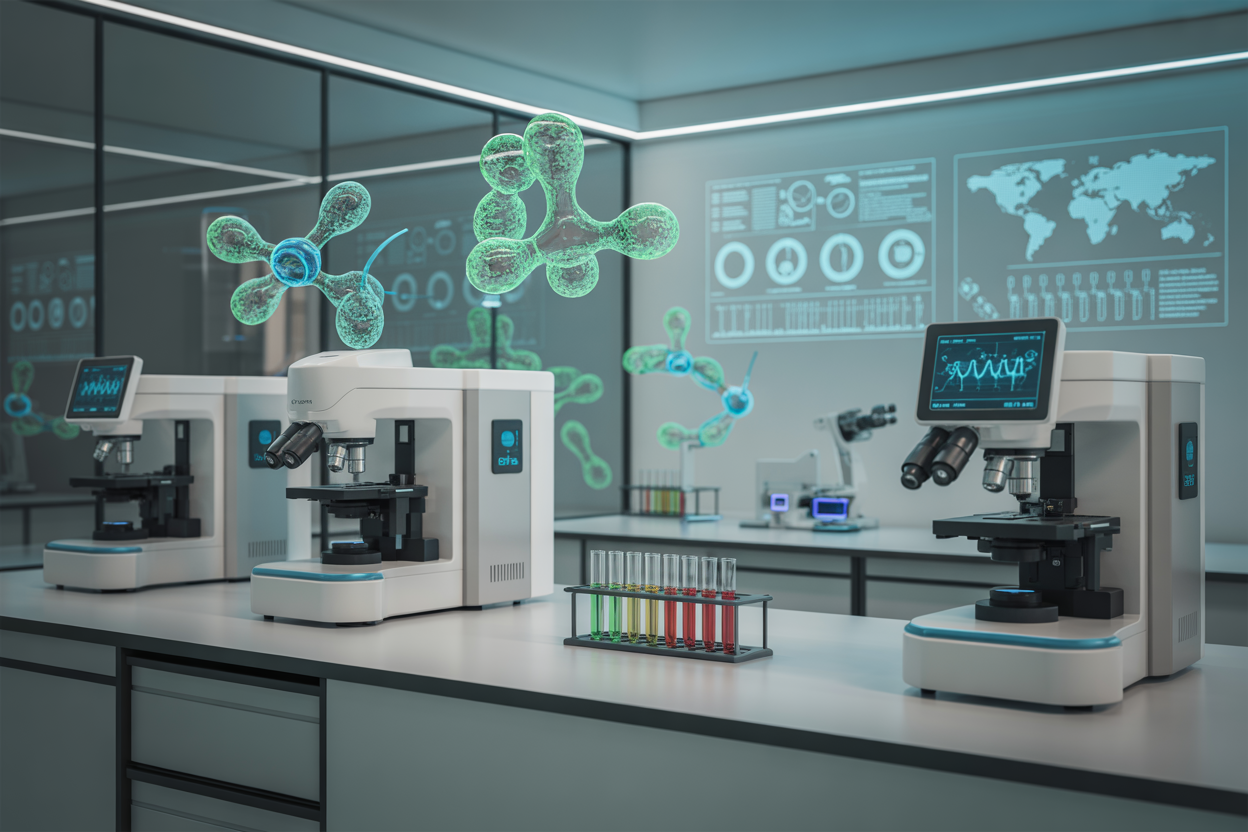
Automated Microscopy Analysis Powers Microbial Research and Systems Biology
Now that we have covered AI’s impact on protein and gene engineering, the integration of artificial intelligence with automated microscopy is revolutionizing microbial research and systems biology applications. AI-powered microscopy analysis systems are enabling researchers to process vast amounts of biological imaging data with unprecedented speed and accuracy, fundamentally changing how we understand cellular behaviors and interactions.
The automation of microscopy analysis through machine learning algorithms allows for real-time collection and monitoring of biological data at scales previously impossible. Internet-of-Things sensors and other connected devices contribute to this comprehensive data ecosystem, enabling AI models to process information accurately across multiple experimental conditions simultaneously. This technological convergence supports the development of digital twins—virtual replicas of biological processes—that enable testing of biological systems in virtual environments without the constraints of physical laboratory limitations.
Automated microscopy powered by AI is particularly valuable in systems biology research, where understanding complex biological networks requires analysis of multiple interconnected components. Machine learning models can identify subtle patterns in cellular behavior, track dynamic processes over time, and quantify biological responses that would be imperceptible to human observation. This capability is essential for advancing our understanding of how synthetic biological circuits function within living systems and how they interact with natural cellular machinery.
The scalability offered by AI-driven microscopy analysis addresses one of the fundamental challenges in microbial research: the need to examine large populations of organisms to understand biological variability and system-wide behaviors. Virtual and automated testing through AI can be exponentially quicker, cheaper, and safer than traditional laboratory approaches, making synthetic biology research more accessible and scalable across different research institutions and applications.
Pathogen Genome Analysis Enables Faster Pandemic Detection and Response
With the foundation of AI-powered biological analysis established, pathogen genome analysis represents one of the most critical applications of artificial intelligence in biotechnology for global health security. The ability to rapidly sequence, analyze, and interpret pathogen genomes using AI systems has transformed our capacity to detect emerging health threats and respond to pandemic scenarios with unprecedented speed and precision.
Machine learning algorithms excel at processing the complex genomic data that characterizes different pathogens, enabling researchers to identify novel variants, track transmission patterns, and predict potential evolutionary pathways. The combination of AI with genomic sequencing technologies has reduced the time required for pathogen identification from weeks to hours, fundamentally changing the timeline for public health response initiatives.
Multi-omics data integration plays a crucial role in comprehensive pathogen analysis, aggregating information from proteomics, genomics, metabolomics, and transcriptomics into unified datasets that AI models can process holistically. This approach provides researchers with a more complete understanding of pathogen behavior, virulence factors, and potential vulnerabilities that can be targeted for therapeutic intervention.
The application of generative AI in pathogen research extends beyond identification to predictive modeling of outbreak scenarios and the development of countermeasures. AI systems can simulate how pathogens might evolve, spread through populations, and respond to different intervention strategies, enabling public health officials to develop more effective response protocols before actual threats emerge.
NATO Funds AI Biotech Firms for Biological Threat Early Detection Systems
Previously discussed applications of AI in pathogen analysis naturally extend to national security applications, where NATO and other defense organizations are investing significantly in AI-powered biotechnology firms focused on biological threat detection and early warning systems. The potential for synthetic biology and AI to create new biological weapons, either through modification of existing pathogens or by synthetically designing new ones, has prompted substantial investment in defensive capabilities.
AI-powered synthetic biology could enable malicious actors to more efficiently and accurately increase pathogen virulence, transmissibility, and resistance to current treatments while making them less detectable through conventional monitoring systems. This dual-use potential of biotechnology artificial intelligence trends has led to increased funding for defensive research programs that can identify and counter these emerging threats.
The development of biological threat detection systems leverages the same AI capabilities used in legitimate research applications but focuses on identifying potentially dangerous modifications in pathogen genomes or unusual biological activity patterns that might indicate malicious intent. These systems must process vast amounts of genomic and biological data in real-time to provide early warning capabilities for biological security threats.
International safety and governance frameworks are being developed alongside these detection systems, including bio-governance regimes and bio-safety protocols that complement existing regulations for genetically modified organisms. The scientific community has established consortiums to screen synthetic biology activity and promote beneficial applications while monitoring for potential dual-use concerns that could threaten global security.
The intersection of AI and synthetic biology in defense applications represents both the tremendous potential and the serious risks inherent in these rapidly advancing technologies, requiring careful balance between innovation and security considerations.

As we look ahead to 2025, artificial intelligence is fundamentally reshaping the biotech landscape across every critical dimension. From accelerating drug discovery timelines by up to 40% to enabling personalized medicine through AI-driven biomarker identification, the technology is delivering transformative results that were unimaginable just a few years ago. The surge in investment—with AI spending in pharmaceuticals expected to hit $3 billion by 2025—reflects the industry’s recognition that AI isn’t just an enhancement but a necessity for competitive advantage. Clinical trials are becoming more efficient through intelligent patient recruitment and decentralized approaches, while manufacturing operations benefit from predictive maintenance and supply chain optimization that reduces costs and improves reliability.
The convergence of AI with synthetic biology, global health monitoring, and regulatory frameworks signals a new era where biotech innovation accelerates at an unprecedented pace. With 83% of life science leaders believing AI will transform their industries within five years, the momentum is undeniable. Companies that embrace AI-first strategies today—from drug discovery platforms to personalized treatment development—will be positioned to lead tomorrow’s healthcare breakthroughs. The question is no longer whether AI will revolutionize biotech, but how quickly organizations can adapt to harness its full potential for improving patient outcomes and advancing human health.